
Plants
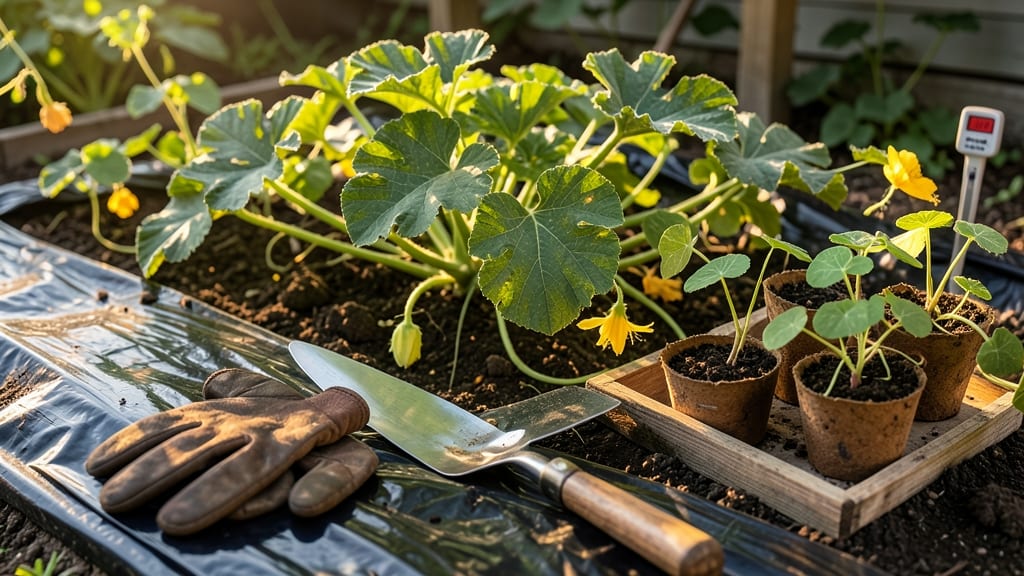
Planting watermelons 🍉 in North Carolina at the wrong time can mean the difference between a bountiful harvest and wasted effort. The key to success lies in waiting until soil temperatures hit 60°F or warmer, typically between mid-April and early June after the last frost.
Why does timing matter so much? Watermelons are heat-loving plants that won't germinate or thrive in cool soil. In USDA Zones 7a-8b, your county's microclimate plays a huge role—coastal areas may have earlier planting windows than inland Piedmont regions.
I’ll show you exactly how to calculate your perfect planting window using soil thermometers and frost-free date tools. Whether you're starting seeds indoors or direct-sowing, these strategies will help you avoid common mistakes that ruin harvests.
From choosing the right varieties for your heat zone to adjusting for late-spring heatwaves, this guide gives you the perfect timing for North Carolina's growing conditions. Let’s get those vines thriving!
North Carolina watermelon planting timeline by heat Zone & county
North Carolina’s warm climate and diverse microclimates create perfect conditions for growing sweet, juicy watermelons. But timing is everything—plant too early, and frost will kill tender seedlings; too late, and your harvest may suffer from heat stress.
The state spans USDA Zones 7a-8b, meaning planting windows vary by county. Let’s break down the best times to plant watermelons based on your location to ensure a bountiful harvest.
Most of North Carolina’s coastal and piedmont regions (Zones 7b-8a) have longer growing seasons, while the mountains (Zone 7a) have shorter windows. The key is waiting until the soil temperature reaches 60°F (15°C) and all frost risk has passed.
Use this county-by-county guide to pinpoint your ideal planting window, whether you’re in Raleigh, Charlotte, or Asheville.
🌱 Pro Tip: Use black plastic mulch to warm soil faster and extend your planting window by 1-2 weeks in cooler areas. This is especially helpful for Zone 7a counties like Haywood or Mitchell.
If you’re in Zone 8a or 8b (like New Hanover or Brunswick), you can push your planting window even earlier—late March to early April—thanks to the state’s mild winters. For Zone 7a areas, like the western mountains, wait until mid-May to avoid late spring frosts.
Always check your local extension office for microclimate adjustments, as urban areas like Raleigh can be 2-3°F warmer than rural spots.
For container growing, start seeds indoors 2-3 weeks before your last frost date. Use 5-gallon pots with well-draining soil and move them outside only after nighttime temperatures stay above 55°F (13°C). This is especially useful for balcony gardeners in Charlotte or Greensboro
How to calculate your perfect watermelon planting date using soil temperature
Getting your watermelon planting timing right in North Carolina means more than just checking the calendar—soil temperature is the real game-changer. Watermelon seeds need warm soil (60–65°F) to germinate properly, and planting too soon can leave your seedlings weak or stalled.
Even if your local last frost date has passed, cold soil will delay growth and reduce yields.
North Carolina’s diverse climate—from the coastal plains to the mountains—means planting dates vary by county and microclimate. For example, Wilmington (Zone 8a) can plant in early April, while Asheville (Zone 7a) should wait until mid-May.
The key is to combine your frost-free date with soil warmth checks to avoid common mistakes like rotten seeds or stunted vines.
- 1 Check your USDA Zone (NC ranges from 7a–8b). Use the NC State Extension map to find your exact zone.
- 2 Use a soil thermometer to confirm 60–65°F soil. Test in the morning for accuracy—soil cools at night.
- 3 Adjust for microclimates. South-facing slopes warm faster than shaded areas. If your garden is in a low spot, plant 2 weeks later.
- 4 Calculate frost-free days. Watermelons need 80–100 days to mature. Use the NC State Climate Office calculator to find your safe planting window.
- 5 Warm your soil faster with black plastic mulch (raises soil temp by 5–10°F) or a cold frame for early starts.
If you’re planting in Zone 7a (e.g., Asheville), aim for May 1–15 when soil hits 65°F. In Zone 8a (e.g., Raleigh), you can start as early as April 15, but always verify with a soil test.
Pro tip: Direct-sow seeds after your last frost—watermelons hate transplanting and may shock easily.
For container gardening, use a heat mat to maintain 70–75°F soil and extend your planting window by 2–3 weeks. Just place your pot in a sunny, sheltered spot and monitor soil moisture closely.
Containers dry out faster, so deep watering every 2–3 days is critical during NC’s hot summers.
Don’t forget to account for late-season varieties like ‘Crimson Sweet’ (85 days) or ‘Sugar Baby’ (70 days). If you’re in a shorter growing season (e.g., Zone 7b), opt for fast-maturing hybrids and plant black plastic mulch 2 weeks before sowing to jumpstart growth.
Timing your watermelon harvest correctly is just as important as planting. Aim to harvest before first frost (late October)—ripe watermelons won’t survive freezing temps. Look for a cream-colored belly and a thumping sound when tapped.
Once you’ve mastered soil temps and frost-free dates, you’ll be enjoying homegrown watermelons from July to September every year! 🍉