
Companion Plants
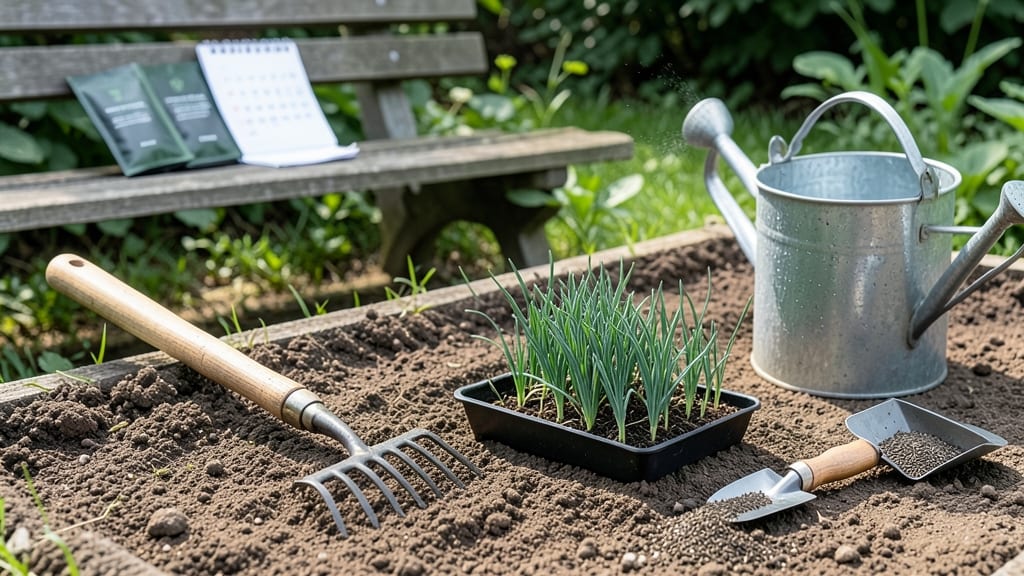
Planting grass seed at the wrong time in spring can turn your dream of a thick, vibrant lawn into a frustrating wait for patchy growth. The difference between success and disappointment often comes down to two key factors: soil temperature and rainfall patterns.
Most gardeners in USDA Zone 6a (like much of the Midwest) should aim to sow grass seed between early and mid-spring, ideally after the last frost date when soil reaches 55-60°F. But timing isn't one-size-fits-all—regional climate quirks mean your neighbor's perfect schedule might not work for you.
In this guide, I'll break down the exact window for your area, how to test soil warmth, and when to adjust for drought or late frosts. You'll also discover the 3-step prep checklist that ensures your grass seed germinates strong and stays that way.
Whether you're seeding a new lawn or repairing bare spots, getting this right means skipping the guesswork. Let's make sure your grass gets off to the best possible start—no more waiting for results.
Optimal soil temperature ranges for spring grass seed planting
Spring is the perfect time to plant grass seed, but getting the soil temperature right is non-negotiable. Cool-season grasses like Kentucky bluegrass and fescue thrive when soil is between 50°F and 65°F, while warm-season types such as Bermuda and Zoysia need 65°F to 75°F to germinate properly.
Planting too early or late can leave your lawn thin and weak.
Most gardeners make the mistake of planting when the air feels warm, but soil temperature lags behind air temperature by weeks.
For example, in USDA Zone 5, soil may still be too cold for cool-season grass in early April, even if daytime highs reach the 60s. Always check soil warmth before planting to avoid disappointment.
To test your soil's readiness, use a soil thermometer (available for under $10). Insert it 4 inches deep—the depth where most grass seeds germinate—and wait 10 minutes for an accurate reading. Early mornings (between 8 AM and 10 AM) are ideal for testing, as temperatures are most stable.
| Grass Type | Ideal Soil Temp (°F) | Best Planting Window | Regional Notes |
|---|---|---|---|
| Cool-Season Grasses | 50°F–65°F | Early to mid-spring (March–April) | Northern U.S.: Wait until frost risk passes. Southern U.S.: Plant in fall for better results. |
| Warm-Season Grasses | 65°F–75°F | Late spring (May–June) | Southern U.S.: Plant after last frost. Northern U.S.: Wait until soil warms consistently. |
| Ryegrass (Fast-Germinating) | 45°F–60°F | Early spring (February–March) | Great for overseeding in cold climates. Germinates in 5–14 days. |
| Bermuda/Zoysia | 70°F–80°F | Late spring (May–June) | Dormant in winter; plant only after soil is reliably warm. |
If your soil is too cold for planting, don’t rush—waiting a few weeks can save you from poor germination or seed rot. For example, in Zone 4, early April soil might still be 40°F, which is too chilly for most cool-season grasses.
Instead, use a black plastic mulch for 2–3 weeks to warm the soil faster, or opt for ryegrass, which germinates in cooler conditions.
In drought-prone areas, soil warms faster in spring, so monitor moisture levels closely. Aim for 1 inch of water per week during germination, whether from rain or irrigation. A rain gauge or tuna-can test (bury a can and measure collected water) helps track rainfall accuracy.
One common misconception is that warmer air = ready soil. However, dark, moist soil stays cooler longer. For instance, in Zone 7, March air might feel spring-like, but soil could still be 55°F—ideal for cool-season grass but too cool for warm-season types.
Always prioritize soil temperature over air temperature.
For northern climates, aim to plant 4–6 weeks before the average last frost date. Check your local USDA Plant Hardiness Zone and adjust timing accordingly. In Zone 5, this might mean planting in early April, while Zone 8 could wait until late April or early May.
Pro tip: If you’re unsure about your soil’s warmth, plant a test strip of grass seed in a small, sunny area first. Monitor germination progress—if seeds sprout within 7–14 days, your soil is ready for full planting. If not, wait another week and retest.
Remember, consistent moisture and proper soil prep (like tilling and removing debris) work hand-in-hand with soil temperature. Once your seeds are in the ground, keep the soil moist but not soggy—this ensures strong root development and a thick
Spring rainfall patterns: how to time planting for consistent moisture
Spring rainfall can make or break your grass seed's success—too little moisture and your seeds dry out before sprouting, while too much can wash them away or cause rot. The key is planting when natural rainfall aligns with your grass's germination needs.
Most grass seeds require consistent moisture in the top 1-2 inches of soil to activate growth, which is why timing matters so much.
In regions with unpredictable spring showers, like the Pacific Northwest or Midwest, aim to plant when forecasters predict steady 1-inch rainfall events within 1-2 weeks of seeding. This gives your seeds the moisture they need without overwhelming them.
For drought-prone areas, like the Southwest or California, supplemental watering becomes essential to bridge gaps between natural rainfall.
🌧️ Spring Rainfall Timing Checklist for Grass Seed
- 1. Monitor Forecasts: Plant when 1-inch rainfall is predicted within 7 days of seeding. Use tools like the National Weather Service or local ag extensions.
- 2. Test Soil Moisture: Dig 1-2 inches deep—soil should feel damp but not soggy. If dry, water deeply before planting to mimic natural rainfall.
- 3. Schedule Supplemental Watering: In dry climates, set up drip irrigation or soaker hoses to deliver ¼-inch water daily until seeds sprout (about 7-14 days).
- 4. Avoid Overwatering: Once sprouts appear, reduce to ½-inch per week to prevent fungal diseases like damping-off.
- 5. Adjust for Late Spring: If planting in May or June, prioritize morning watering to reduce evaporation and heat stress on young grass.
My go-to strategy is the "1-inch rule"—this means ensuring your seedbed receives at least 1 inch of water (from rain or irrigation) within the first week of planting. You can measure this with a simple rain gauge or by placing a shallow container in your lawn.
If natural rainfall falls short, I supplement with light, frequent watering (like a mist) to keep the soil surface moist without disturbing the seeds.
For cool-season grasses, like Kentucky bluegrass or fescue, early spring planting (March-April) often aligns with the wettest spring months in many regions.
However, if you're in a Mediterranean climate, like parts of Oregon or Northern California, late spring (May) might be better when rainfall increases before summer drought sets in. Always check your local USDA Plant Hardiness Zone and historical rainfall data for your area.
One common mistake I see is planting too early when the ground is still waterlogged from snowmelt or too late when spring showers taper off. For example, in Zone 5 or colder, wait until the soil is workable and frost risk has passed—usually after Mother's Day.
In Zone 8 or warmer, you might need to plant by early April to avoid the dry heat of late spring.
Pro tip: If you're unsure about your local rainfall patterns, contact your local cooperative extension office. They often provide free soil moisture reports and planting recommendations tailored to your region.
For example, in Texas or Arizona, they might suggest planting in September or October to avoid summer drought, but spring is still ideal for cooler northern states.
Remember, consistent moisture is more important than heavy downpours. Young grass roots are delicate, and they need steady hydration to establish a strong foundation. With the right timing and a little planning, you’ll give your lawn the best chance to thrive—no matter how unpredictable spring weather can be. 🌱