
Companion Plants
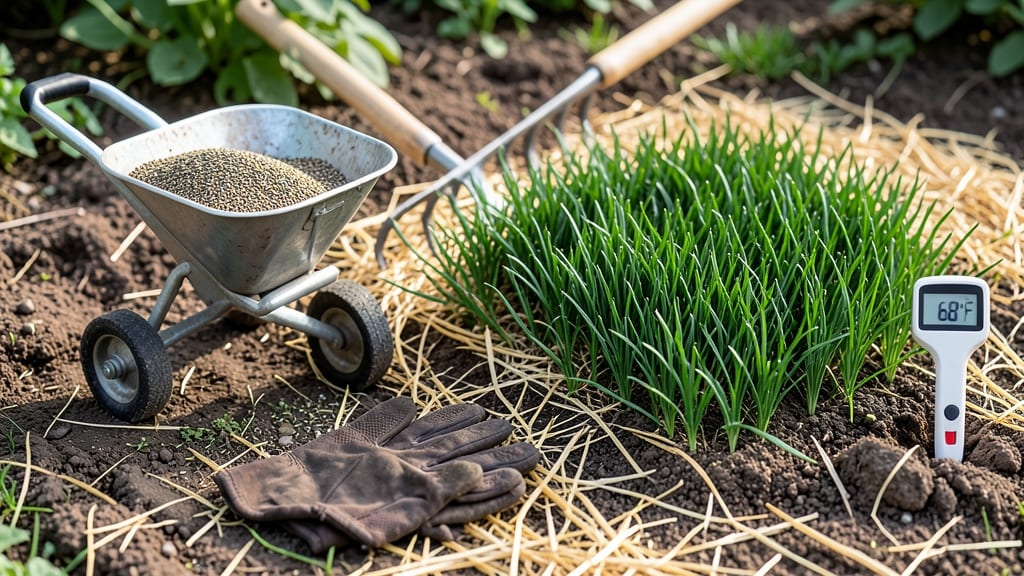
Planting your 🌱 Grass (Turfgrass) at the wrong time in spring could mean waiting weeks—or even months—for that lush, green lawn you dream of.
The key to fast germination isn’t just picking a random weekend in March; it’s all about soil temperatures, regional climate zones, and knowing when your specific grass type is ready to thrive.
If you live in USDA Zone 6a, like many parts of the Midwest, early spring planting—4-6 weeks before your last frost date—sets the stage for a strong root system before summer heat arrives.
But here’s the catch: planting too early in cold soils can leave your seeds vulnerable to rot, while waiting too long might mean battling weeds or dealing with dry conditions.
I’ve tested the best strategies for fast germination, from soil temperature checks to seedbed prep, and I’ll walk you through exactly when to plant—whether you’re working with cool-season grasses like fescue or warm-season types like Bermuda. Let’s get your lawn off to the right start.
Ready to skip the guesswork? You’ll discover how to read your soil’s temperature cues, avoid common pitfalls, and choose the perfect window for your climate—so you can enjoy a vibrant lawn all season long.
Spring grass planting timeline by soil temperature (not just calendar dates)
Your spring grass planting success starts with soil temperature, not just the calendar date. Cool-season grasses like Kentucky bluegrass and fescue need 55-65°F soil temps to germinate, while warm-season types like Bermuda wait until 65-75°F.
Planting too early risks frost damage, while waiting too long delays your lush lawn. Let's break down the exact timing by US climate zones and how to test your soil properly.
Most gardeners focus on frost dates, but soil temperature is the real game-changer. A 5°F difference can mean weeks of waiting for germination.
For example, in Zone 5, you might see 55°F soil temps as early as late March, while Zone 8 won't hit that mark until mid-April. Understanding these variations helps you avoid the #1 mistake: planting when seeds sit dormant in cold soil.
Here's your soil temperature checklist for spring grass planting:
To test your soil temperature accurately, use a digital soil thermometer (available for $10-$15 at garden centers). Insert it 2 inches deep for cool-season grasses or 4 inches deep for warm-season varieties.
Check temperatures at 10 AM for the most reliable reading—this accounts for morning warmth without afternoon heat spikes. If your soil runs 10°F below the ideal range, wait another week before planting.
Regional variations matter more than you think. In northern climates (Zones 3-5), aim for late March to early April planting when soil hits 55°F. Meanwhile, southern gardeners (Zones 8-10) can start as early as February for cool-season grasses.
The key is consistency: wait until temperatures stay in the ideal range for 3-5 consecutive days before planting. This ensures your seeds germinate uniformly rather than sporadically.
Pro tip: Ryegrass is your fastest germinating option if you're eager to see green. It thrives in 45-55°F soil, making it perfect for early spring planting—even before traditional cool-season grasses.
Mix it with your main seed variety for instant color and erosion control. Just remember, ryegrass is temporary and will need overseeding with permanent grass in late summer.
Common mistakes to avoid include planting when frost is forecasted within 7 days or when soil is too dry. Before planting, water your soil to moist but not soggy consistency—think of a damp sponge.
This helps seeds make contact with moisture immediately upon planting. For large lawns, consider renting a soil thermometer with multiple probes to check different areas, as shady spots may stay cooler than sunny patches.
Once you've confirmed your soil temperature and planting window, prepare your seedbed by removing debris and leveling the soil. Lightly rake to create a fine, firm surface that seeds can nestle into.
For best results, plant when skies are partly cloudy—this gives seeds moisture without extreme heat that could dry them out. After planting, keep the soil consistently moist (not flooded) until germination, which typically takes 7-21 days depending on the grass type.
Remember: <
5 Critical factors that determine your perfect planting window
Planting grass in spring isn't just about checking the calendar—it's about understanding your local conditions. I've learned that soil temperature, frost dates, and even rainfall patterns can make or break your lawn's success.
For example, planting Kentucky bluegrass too early in cold climates often leads to seed rot, while warm-season grasses like Bermuda struggle if planted before the ground warms.
Beyond these basics, your seed type and microclimate play huge roles. A shady backyard might need a different grass variety than your sunny front lawn, and a south-facing slope warms up faster than a north-facing area.
I'll walk you through each factor so you can avoid common mistakes like overwatering or planting too late—both of which can leave you with patchy, weak grass.
- 1. Frost Dates: Plant 4-6 weeks before your last frost date. Cool-season grasses like fescue need this window to establish roots before summer heat arrives. Check your local USDA zone for precise timing—Zone 5 areas should plant by early April, while Zone 8 can wait until late March.
- 2. Soil Temperature: Use a soil thermometer to confirm temps are 55-65°F for cool-season grasses. Warm-season grasses like Zoysia need 70-75°F. Planting too early in cold soil causes seed dormancy, while waiting too long risks summer drought stress.
- 3. Rainfall Patterns: Aim for 1 inch of rain weekly or supplement with irrigation. Planting during dry spells requires daily watering until germination, while heavy rainfall can wash seeds away. A rain gauge helps track moisture levels accurately.
- 4. Seed Type Matters: Cool-season grasses (e.g., ryegrass) thrive in spring, while warm-season grasses (e.g., Bermuda) should wait until summer. Mixing seed types without considering their growth cycles leads to uneven lawn establishment.
- 5. Microclimates: A south-facing slope warms 2-3 weeks earlier than a north-facing yard. Shady areas need fine fescue, while sunny spots excel with Kentucky bluegrass. Ignoring these variations often results in bare patches or slow growth.
One common mistake I see is planting based on calendar dates alone. For instance, in Zone 6, March 15 might feel warm, but soil temps could still be 45°F, causing seeds to rot.
Always test your soil—a simple soil thermometer ($10 at garden centers) saves weeks of frustration. Another pitfall is overseeding without prepping the soil. Loosen compacted areas and remove weeds first for better seed-to-soil contact.
Let’s say you’re in Texas (Zone 8) and want to plant Bermuda grass. The ideal window is late April to early May, when soil temps hit 75°F. But if you plant in March, the grass may go dormant when summer heat arrives.
Conversely, in Maine (Zone 4), cool-season grasses like tall fescue should go in by late May to avoid fall frost damage.
Don’t forget to monitor weather forecasts for 10-day predictions. A late frost warning means delaying planting, even if soil temps are perfect. I once planted ryegrass in early April in Zone 5, only to have a hard freeze kill the seedlings.
Since then, I always check the National Weather Service and adjust my timeline accordingly.
For urban gardeners, microclimates are everything. A rooftop garden in Chicago might warm up faster than ground level, while a valley area stays cooler longer. Use these factors to your advantage—plant warm-season grasses on rooftops and cool-season varieties in shaded valleys.
The key is observation: note where frost lingers, where snow melts first, and how sunlight shifts throughout the day.