
Plants
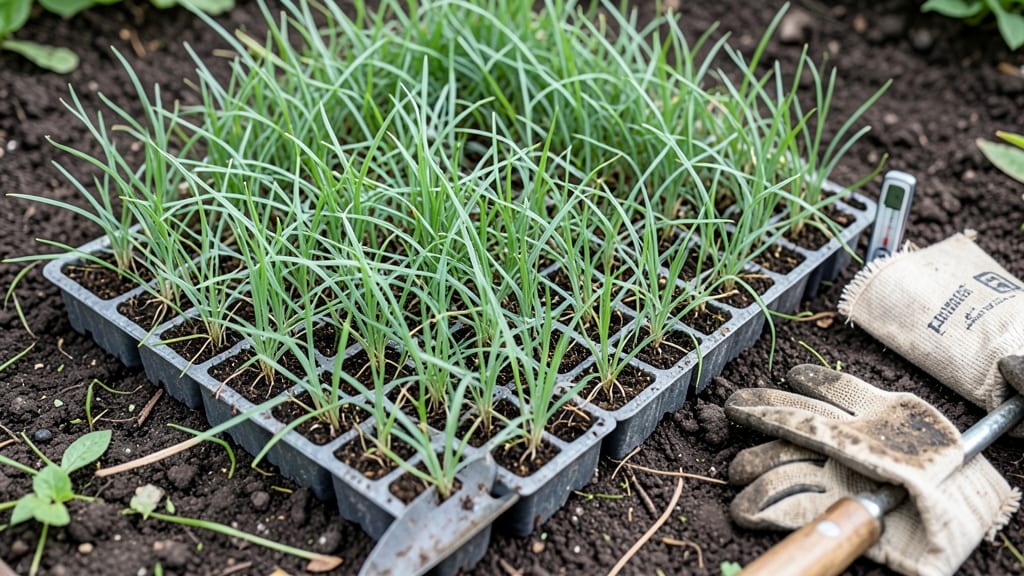
Planting Bermuda grass in Texas at the wrong time can leave you staring at bare patches for months—but when you nail the timing, you get a fast-growing, heat-loving lawn that outlasts droughts and thrives in 8a-10b climates.
Most gardeners wait until late spring, but the best window actually starts when soil hits 65°F and stays warm—usually March to May—giving seeds the perfect boost to sprout quickly. Skipping this step means slower germination and weaker roots struggling to establish before summer heat hits.
Texas' varied frost dates (from Feb 15 to Mar 15) make timing critical. Plant too early, and cold snaps can stall growth; too late, and you risk fungal issues from summer humidity. I’ll show you exactly how to read your soil’s temperature cues and adjust for your region’s microclimate.
With the right approach, your 🌱 Bermuda grass won’t just survive Texas summers—it’ll dominate them. Let’s get your lawn off to the fastest start possible with these pro tips tailored for Lone Star State conditions.
Optimal planting windows for Bermuda grass in Texas by region
Texas' diverse climate means Bermuda grass planting success depends heavily on your region. In North Texas (USDA Zones 8a-8b), cooler springs delay planting until late April to May when soil warms to 65°F+.
Meanwhile, South Texas (Zones 9a-10b) can start as early as March thanks to warmer winters and longer growing seasons.
Central Texas (Zones 8b-9a) offers a flexible window from April to early June, but timing is critical to avoid summer heat stress or fall frost sensitivity. Each region's unique rainfall patterns and heat zones create ideal planting conditions that maximize germination rates and root establishment.
Soil temperature is your best indicator—wait until it hits 65°F at 4 inches deep before planting. This ensures consistent moisture retention and prevents seedling shock. Use a soil thermometer ($10 at garden centers) to track progress daily.
Here’s how Texas’ three regions compare for Bermuda grass planting success:
| Region | Best Planting Window | Soil Temp Requirement | Key Considerations |
|---|---|---|---|
| North Texas (8a-8b) | Late April – May | 65°F+ at 4" | Avoid late May heat; watch for hatch (insect) outbreaks |
| Central Texas (8b-9a) | April – Early June | 65°F+ at 4" | Balanced rainfall; mulch to retain moisture |
| South Texas (9a-10b) | March – April | 60°F+ at 4" | Early planting risks fungal diseases; use disease-resistant varieties |
In North Texas, I’ve seen the best results when planting mid-May—just before the 100°F+ heat waves hit. The cooler evenings help seedlings establish before summer stress sets in. For Central Texas, aim for early May to capitalize on spring rains while avoiding June’s brutal humidity.
South Texas gardeners have the advantage of earlier planting, but I recommend March 15th as the cutoff to prevent soil-borne pathogens from thriving in the warm, wet conditions. If you plant too early, you risk slow germination or seed rot—both common in Zone 10.
Pro tip: Test your soil’s moisture retention before planting. Sandy soils in West Texas dry out faster, while clay-heavy soils in East Texas can suffocate roots. Amend with compost or peat moss to improve drainage and water-holding capacity.
After planting, water deeply twice daily for the first 2 weeks to encourage root growth. Once established, Bermuda grass thrives on drought resistance, but seedlings need consistent moisture to prevent crusting or blowout—a common issue in high-wind regions like the Panhandle.
For maximum coverage, overseed in late summer (August) when existing grass thins. This two-step approach ensures a thick, uniform lawn by fall, ready to handle Texas winters.
Remember: Bermuda grass is a warm-season grass, so fall planting is a no-go. The cool nights and reduced sunlight will stunt growth entirely. Stick to spring/early summer, and you’ll have a lush, green lawn by June.
Soil temperature and weather conditions for fast Bermuda grass germination
Bermuda grass thrives in Texas' heat, but its germination speed depends heavily on soil temperature and weather conditions. Unlike cool-season grasses, Bermuda needs warm soil (65°F+) to sprout quickly.
Planting too early risks slow growth, while waiting too long may expose young seedlings to heat stress or fungal diseases. Let’s break down how to time your planting for success.
First, check your soil temperature before planting. Use a soil thermometer (insert 2-3 inches deep) to confirm it’s consistently above 65°F. In Texas, this typically aligns with late April to early June, but exact timing varies by region.
For example, South Texas may hit these temps by March, while North Texas might wait until May. Air temperatures should also be stable—avoid planting during heatwaves (above 95°F), as this can cause seed desiccation.
⚠️ callout-warning
- Early Planting (before 65°F soil): Seeds rot or sprout unevenly due to cool, damp soil.
- Late Planting (after June 15): Seedlings face heat stress or fungal risks like brown patch disease.
- Extreme Heat (above 95°F): New seeds may dry out before germination.
To adjust for early springs or late summers, use shade cloth or mulch to protect seedlings. If planting in late summer (August)**, water deeply every 2-3 days to prevent drought stress.
For early spring plantings, cover seeds with a light row cover until soil warms. Always water early morning to reduce evaporation and fungal risks.
Monitor humidity levels too—Bermuda grass prefers 40-60% humidity for germination. If your area is unusually dry, increase watering frequency temporarily. Conversely, avoid overwatering in humid conditions, as this promotes fungal growth. Aim for 1-1.5 inches of water per week once seeds sprout to encourage strong root development.
Finally, pay attention to rainfall forecasts. Planting during a predicted dry spell may require supplemental irrigation. In contrast, planting before heavy rains can wash seeds away. Use a weather app to track 7-day forecasts and adjust your planting date if needed.
Patience here pays off—waiting for ideal conditions ensures faster germination and a thicker lawn.
With the right soil warmth, air temperatures, and watering strategy, your Bermuda grass will establish quickly and handle Texas’ heat like a pro. Start testing your soil now, and you’ll be mowing a lush lawn by summer! 🌱