
Trees
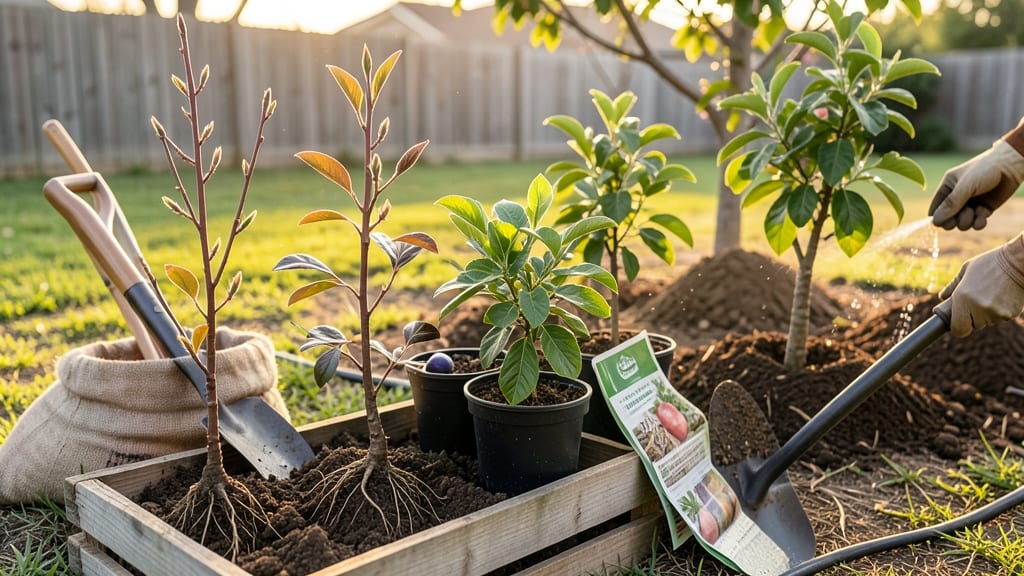
Planting your fruit trees 🍎 in Texas at the wrong time could mean struggling with heat stress or frost damage—both costly mistakes for your future harvest. The best window to plant isn’t just about months, but understanding how Texas’ unique heat zones and microclimates affect root establishment and growth.
Most fruit trees thrive when planted in late winter to early spring (February-March) or fall (October-November), but citrus and subtropical varieties have different needs. Whether you're in Zone 8a or 10b, timing your planting around soil temperatures and frost risks is the key to a thriving orchard.
In this guide, I’ll break down the optimal planting calendar for Texas, including soil prep tips, irrigation strategies, and how to protect young trees from unexpected frosts. You’ll learn exactly when to plant for zero-frost success—so your investment grows strong and healthy.
From peaches to pomegranates, we’ll cover everything you need to know to give your fruit trees the best possible start. Let’s get those roots growing in the right season!
Texas heat-Zone planting calendar: optimal months by fruit tree type
Texas' 11 heat zones create dramatic differences in planting success for fruit trees. In Zone 8a (North Texas), late winter frost can still threaten young trees, while Zone 10b (South Texas) offers year-round planting opportunities for heat-loving varieties.
Understanding these zones helps you align planting with soil temperature and dormancy triggers unique to each fruit type.
Most peaches and apples thrive when planted in late winter to early spring (February-March), while citrus and figs can handle fall planting (October-November) in warmer zones. Pomegranates bridge both strategies, adapting to either window depending on your region.
Let's break down the best months for each fruit tree type across Texas' diverse climate bands.
🌱 Key Rule: Always plant when soil temperatures exceed 60°F for at least 3 consecutive days. Use a soil thermometer to verify—this prevents root shock in young trees.
| Fruit Tree Type | Optimal Planting Window (North Texas Zones 8a-9a) | Optimal Planting Window (Central Texas Zones 8b-9b) | Optimal Planting Window (South Texas Zones 9c-10b) | Soil Temperature Requirement | Dormancy Trigger |
|---|---|---|---|---|---|
| Citrus (Oranges, Lemons, Limes) | October - November | September - November | Year-round (best Feb-Mar or Oct-Nov) | 65°F+ minimum | No dormancy; grows year-round |
| Peaches (Standard Varieties) | February - March | February - March | January - February | 55°F+ minimum | Chilling hours (300-700) |
| Apples (Cold-Hardy Varieties) | February - March | Late February | Not recommended (needs chill hours) | 50°F+ minimum | Chilling hours (800-1000) |
| Figs (Common & Chicago Hardy) | October - November | September - November | Year-round (best Feb-Mar) | 60°F+ minimum | Mild dormancy in winter |
| Pomegranates (Cold-Hardy Varieties) | February - March | February - March | January - February | 60°F+ minimum | Moderate chilling (200-400 hours) |
For citrus trees, timing matters less in South Texas (Zones 9c-10b) where frost is rare. Plant dwarf varieties like 'Meyer lemon' or 'Calamondin' in February-March for summer harvests, or October-November to establish roots before peak heat.
In North Texas (Zones 8a-9a), citrus thrives in containers and should only be planted in fall to avoid winter dieback.
Peach trees require chilling hours (300-700 hours below 45°F) to break dormancy. In Zone 8a, plant Elberta or Redhaven varieties in February—this ensures roots
Critical factors beyond months: soil prep, irrigation, and frost-proofing for Texas fruit trees
Texas' alkaline soil (pH 7.5-8.5) and drought-prone climate demand extra prep before planting fruit trees. Unlike northern states, Texas gardeners must amend soil with organic matter like composted pine bark or sulfur to lower pH for acid-loving trees like blueberries or peaches.
A simple soil test from Texas A&M AgriLife reveals your exact needs—don’t skip this step!
For irrigation, deep watering once weekly (2-3 inches) beats shallow daily sprinkles. Use drip irrigation or soaker hoses to target roots directly, reducing evaporation. Mulch with wood chips (3-4 inches) to lock in moisture and regulate soil temperature—critical during Texas' 100°F+ summers. Avoid synthetic mulches that trap heat.
Frost protection is a game-changer for early spring or late fall plantings. In North Texas (Zone 7b-8a), wrap young trees with frost cloth or use row covers when temps drop below 28°F.
For South Texas (Zone 9a-10b), focus on microclimates: plant near stone walls or buildings to trap heat, or choose frost-tolerant varieties like figs or pomegranates.
Soil Prep & Irrigation: Pros and Cons
✅ DO:
- Test soil pH (aim for 6.0-7.0 for most fruit trees)
- Use compost + sulfur to lower alkaline soil
- Deep water (2-3 inches weekly) for root growth
- Apply 3-4" wood mulch to retain moisture
- Plant in microclimates (south-facing slopes, near structures)
❌ DON'T:
- Skip soil testing—Texas soil is deceptive!
- Use synthetic mulch (traps heat, invites pests)
- Overwater lightly daily (promotes shallow roots)
- Plant in low spots (frost pockets)
- Ignore drip irrigation for young trees
My go-to mulching technique combines wood chips (for moisture) with a 2-inch layer of straw (for insulation). For container-grown trees, use coco coir in pots to mimic Texas' dry conditions while retaining humidity. Pro tip: Water containers daily in summer—they dry out 3x faster than in-ground trees.
When selecting a microclimate, prioritize sheltered locations with reflective surfaces (like white gravel) to reduce heat stress. Dwarf varieties thrive in urban Texas because they fit smaller spaces and recover faster from heatwaves.
For example, a dwarf peach tree in a raised bed with drip irrigation can outperform a standard tree in poor soil.
Finally, monitor frost dates via Texas A&M’s Frost Forecast. If planting in October-November, use frost blankets for the first 2 weeks to harden off young trees.
For citrus, which hate frost, plant near heat-retaining walls or use overhead sprinklers to create an ice layer for insulation—this trick saved my meyer lemon during the 2021 freeze!