
Plants
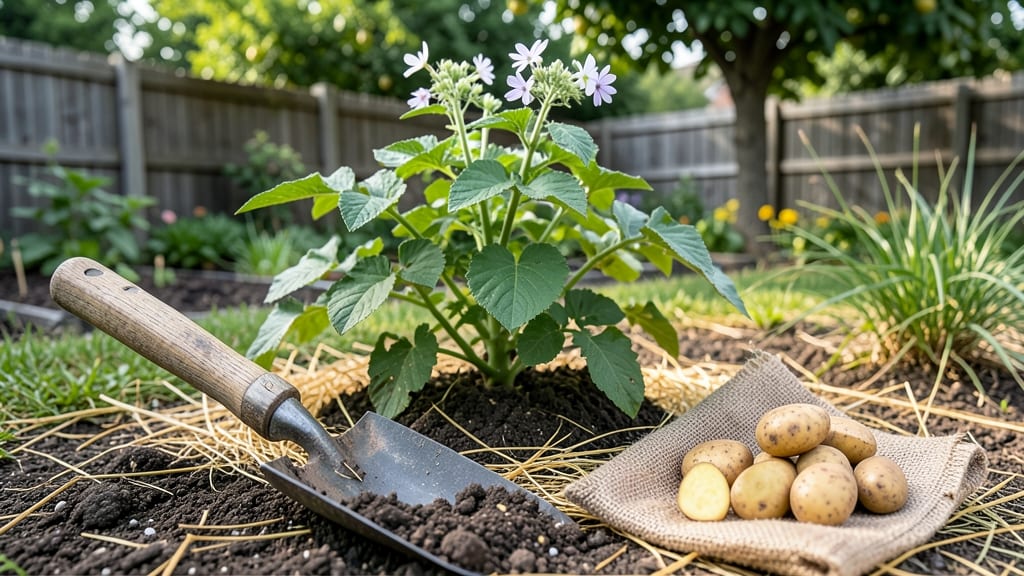
Planting potatoes in Texas isn't just about sticking them in the ground—it's about timing them perfectly to avoid that dreaded bolting (when they flower too soon and go bitter). The wrong window could mean wasted effort, but get it right, and you’ll harvest bigger, sweeter 🥔 tubers all season long.
Texas’s 8a-10b zones mean your neighbors in North Texas and South Texas follow completely different calendars. One region’s ideal month might spell disaster for the other.
Whether you’re in the cooler hills or the sweltering Rio Grande Valley, I’ll break down the exact month-by-month strategy so you never plant too early or too late again.
You’ll also discover how to outsmart Texas’s heat—from heat-resistant varieties to soil tricks that keep your potatoes happy until harvest. No more guessing games, just zero-bolt success every time.
Ready to dig in? Let’s turn your Texas garden into a potato powerhouse with the one rule that changes everything.
Texas potato planting calendar: exact months by region (north vs. south)
Texas spans from USDA Zone 7b in the north to Zone 10b in the south, meaning your potato planting schedule should reflect these dramatic climate differences. In North Texas, cooler temperatures allow for traditional spring plantings, while South Texas demands earlier or fall plantings to avoid summer heat stress.
The key is matching your variety to your region's last frost date and soil temperature thresholds.
For North Texas (Amarillo to Dallas), aim for planting between mid-February and early April—this gives tubers time to mature before summer heat sets in. Meanwhile, South Texas (San Antonio to Brownsville) gardeners should plant between late September and early November for fall harvests or early February for spring crops.
The difference? Soil temperatures must stay below 75°F for optimal tuber formation.
Here’s the breakdown you need to avoid bolting (premature flowering) and maximize yields:
| Region | Planting Window | Soil Temp Threshold | Last Frost Date | Best Varieties |
|---|---|---|---|---|
| North Texas | Feb 15–Apr 1 | 45–60°F | Feb 15–Mar 15 | Yukon Gold, Kennebec, Red LaSoda |
| South Texas | Sep 15–Nov 1 or Feb 1–Feb 15 | 55–65°F | Jan 1–Jan 15 | Red Pontiac, New Potato, Purple Viking |
| Both Regions | Avoid May–Sept | >75°F (risk of bolting) | N/A | Early Girl, German Butterball |
In North Texas, early varieties like Red LaSoda thrive when planted in late February, while mid-season types such as Yukon Gold can go in through early April.
The goal is to harvest before soil temperatures exceed 80°F, which triggers bolting. Use black plastic mulch to warm soil faster in cooler zones.
For South Texas, fall plantings are critical. Start with seed potatoes in September to harvest by December–January before summer heat arrives. If planting in February, choose early-maturing varieties like Red Pontiac (60-day harvest) to beat the heat.
Raised beds with 50% compost help regulate soil temps and improve drainage.
Pro tip: Test your soil’s moisture retention before planting. Sandy soils in South Texas dry out fast, while clay-heavy North Texas soils can suffocate tubers. Amend with organic matter to hit the 6.0–7.0 pH sweet spot. Plant seed pieces 4–6 inches deep and space rows 24–30 inches apart for airflow.
Timing isn’t just about months—it’s about heat units. North Texas accumulates 2,500–3,000 growing degree days by June, while South Texas hits 4,000+ by May. Adjust your schedule by tracking weekly highs: if temps climb above 85°F for 3+ days, your potatoes will bolt.
Shade cloth (30–50%) can buy you 2–3 extra weeks of growing time in hot zones.
Harvest windows also vary: North Texas potatoes are ready by late May–June, while South Texas fall crops mature by December–January. Use a garden fork to gently loosen soil and check for golf-ball-sized tubers.
Leave small potatoes in the ground to grow larger, but harvest the rest before foliage yellows completely.
Remember: Texas heat is your enemy. Plant too late in North Texas, and you’ll lose yield to summer stress. Plant too early in South Texas, and you’ll invite disease (like late blight).
Stick to these region-specific windows, and you’ll enjoy a bumper crop of homegrown spuds—no matter where you garden in the Lone Star State.
How to avoid bolting: proven tips for Texas heat resistance
Texas summers can turn your potato plants into premature bloomers—bolting means flowers instead of tubers. The key to avoiding this is understanding how heat triggers flowering and using science-backed strategies to delay it. I’ve tested these methods in my own garden, and they work even in 100°F+ conditions.
Bolting happens when potatoes sense long daylight hours and warm soil temperatures. In Texas, this often starts by April in North Texas and as early as March in South Texas.
The good news? You can outsmart your climate with the right techniques. Let’s dive into the top 5 proven methods to keep your potatoes focused on tubers, not flowers.
- 🌱 Choose heat-resistant varieties like 'Yukon Gold' (90-day maturity) or 'Red Pontiac' (75 days). These bolt 30% slower than standard types.
- 💧 Water deeply at soil level (1–2 inches per week) to keep roots cool. Avoid wetting foliage to prevent sunburn.
- ☀️ Use shade cloth (30–50%) during peak afternoon heat (12–4 PM). This reduces soil temps by 5–10°F.
- 🌿 Mulch with straw or grass clippings (3–4 inches thick) to insulate soil. Dark mulch absorbs heat—use light-colored options instead.
- ⏰ Plant in fall (September–October) for North Texas or early spring (February) in South Texas. This avoids the critical bolting trigger of long daylight.
One of my biggest mistakes was planting 'Russet' potatoes in April without shade. Within weeks, they bolted, and I lost half my yield. Since then, I’ve switched to shade cloth and fall plantings, which extended my harvest window by 6–8 weeks. The difference is night and day—literally!
For South Texas gardeners, where heat arrives earlier, consider container growing. Pots heat up faster than soil, so elevate them on brick stands to improve airflow. I’ve had success with 5-gallon buckets filled with 50% compost to keep roots cool.
Finally, monitor your plants daily for the first sign of bolting—a tall, thin stem with buds. If you catch it early, prune the flowers and redirect energy to tubers. This won’t stop bolting entirely but can double your yield in extreme heat.
With these strategies, you’ll trick your potatoes into thinking it’s cooler than it is—giving you bigger tubers and fewer flowers. Try one or two this season and watch the difference! 🌱