
Plants
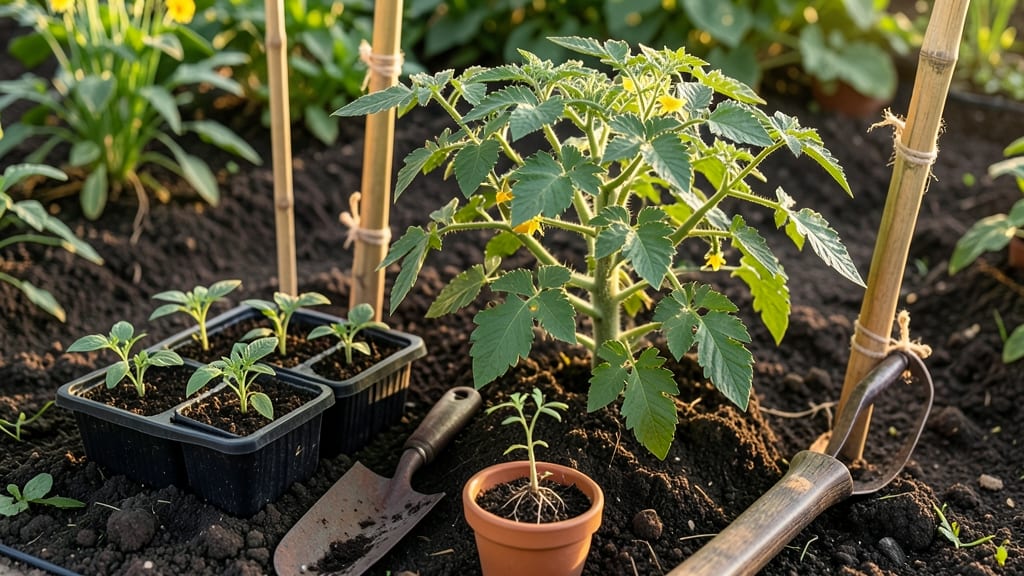
Planting your 🍅 tomatoes at the wrong time in California can mean the difference between a bountiful harvest and wasted effort—especially when frost dates vary wildly from the coast to the desert.
If you've ever struggled with stunted plants or early blight, you're not alone. The key to success lies in understanding your specific region's microclimate, from the cooler coastal areas where frost lingers into March to the warmer desert valleys where planting can start as early as January.
In this guide, I'll break down the exact month-by-month planting windows for every major California region, so you can avoid common mistakes like planting too early in cold zones or missing the optimal soil temperature window.
Whether you're a seasoned gardener or just starting, you'll learn how to time your tomato planting for maximum yield—no more guesswork, just guaranteed results.
California tomato planting calendar by region: frost-free months explained
California’s microclimates create a tomato-growing puzzle—what works in frost-prone San Francisco fails in sunbaked Palm Springs. The key? Timing based on last-frost dates and soil temperatures. Plant too early, and cold snaps kill seedlings; too late, and you miss the harvest window before summer heat sets in.
Most California regions fall in USDA Zones 8-11, but elevation and coastal breezes shift frost-free periods dramatically. For example, Los Angeles rarely sees frost, while Monterey can hit 28°F in winter.
Below, I break down the ideal planting windows by region, including soil temperature requirements and harvest timelines to maximize your yield.
Soil temperature is non-negotiable—tomatoes need 60°F+ soil to thrive. Use a soil thermometer to check before planting. Coastal areas warm slower, while inland deserts heat up fast. Transplant seedlings only after your region’s last frost date has passed, or use row covers for early starts.
Northern California (San Francisco Bay Area) has the most frost risk, with last frost dates averaging March 15–April 15. The Central Coast (Santa Barbara, Monterey) is slightly warmer, with last frosts around February 15–March 15. Southern California (LA, San Diego) enjoys year-round growing, but spring planting (Feb–April) yields the best results. Desert regions (Palm Springs, Coachella) can plant as early as January thanks to mild winters.
For Northern California, I recommend starting seeds indoors in February and transplanting after April 1.
The Bay Area’s coastal fog can delay soil warming, so black plastic mulch helps speed up the process. Central Coast gardeners have a wider window—plant March–April for summer harvests or August–September for fall crops before cooler weather arrives.
Southern California is a tomato lover’s paradise—you can plant year-round with minimal risk of frost. Focus on spring (Feb–April) for heirloom varieties like Brandywine or fall (Aug–Sept) for heat-tolerant types such as Solar Fire. Desert regions should prioritize drought-resistant varieties like Heatmaster and plant in early spring or late summer to avoid 100°F+ soil.
Pro tip: Monitor your local frost alerts via the National Weather Service or California Climate Tracker. Even in mild zones, unexpected
How to adjust planting time for early vs. late varieties in California’s climate zones
California’s microclimates create a unique challenge for tomato growers—what works in San Diego’s mild winters fails spectacularly in Sacramento’s chilly springs. The key lies in matching your tomato variety to your region’s frost dates and growing season length.
Early varieties like 'Stupice' thrive in cooler climates, while late varieties like 'Brandywine' need Southern California’s extended summers.
In cooler regions like USDA Zone 8a (e.g., Sacramento, Redding), I recommend planting early varieties in March to avoid late frosts, while Southern California’s Zone 10 allows year-round planting with proper care.
The trick? Adjusting your planting window by 2-4 weeks based on whether you’re growing heirloom or hybrid tomatoes—each has different maturity timelines.
Here’s how to align your planting schedule with California’s diverse conditions:
For cooler coastal areas, I’ve found that row covers extend the growing season by 3-4 weeks, letting you plant early varieties like 'Early Girl' as soon as February.
In Southern California’s Zone 10, where frost is rare, you can even plant heirloom tomatoes in late fall for a winter harvest—just protect them from Santa Ana winds with windbreaks.
Hybrid varieties like 'Celebrity' are my go-to for Central Valley gardens because they mature faster (60-70 days) and handle temperature swings better than heirlooms. But if you love 'Brandywine’s rich flavor, I recommend starting seeds indoors in February and transplanting after the last frost—usually mid-April in most regions.
Remember: Soil temperature matters more than air temperature. Use a soil thermometer to confirm it’s at least 60°F before planting—cold soil stunts root growth, even if the air feels warm.
In desert regions, where nights stay cool, I often mulch with straw to retain heat and speed up germination.
🌱