
Plants
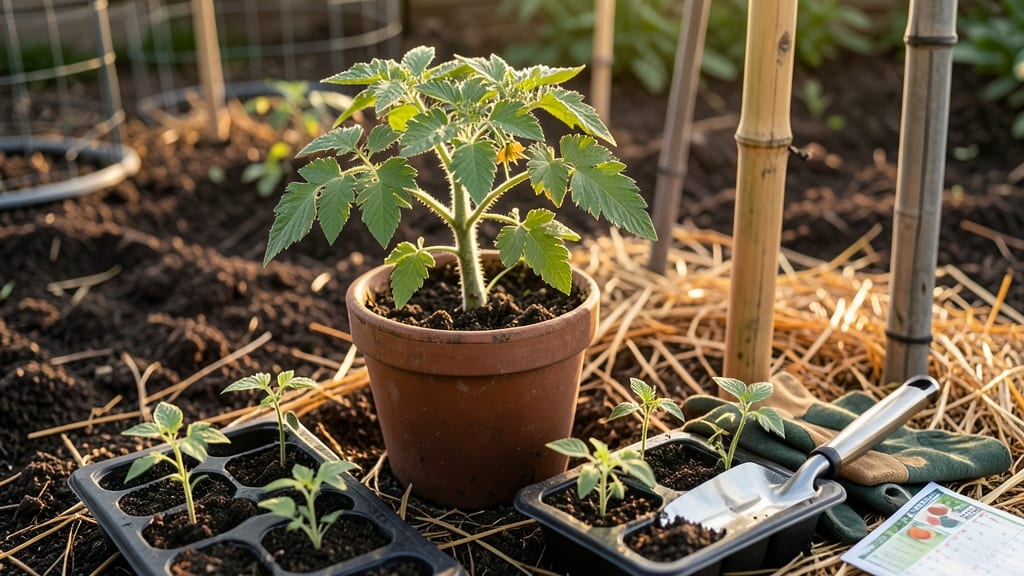
Planting tomatoes 🍅 in Indiana at the wrong time means watching your hard work wither before it even begins.
The difference between a thriving harvest and a frost-killed crop often comes down to knowing exactly when to get those seedlings in the ground—and it varies more than you’d think across the state.
Indiana’s USDA Zone 6a climate gives gardeners a narrow window of about 6 weeks between the last frost and summer’s heat, but northern counties like LaPorte face frost risks weeks after southern Indiana’s Clark County.
Miss the mark, and you’re either scrambling to protect tender plants or watching vines struggle in overheated soil.
Here’s the game-changer: county-specific planting dates that align with soil temperatures, local frost patterns, and even your tomato variety. Whether you’re starting seeds indoors or transplanting seedlings, I’ll show you how to time it right for maximum yield—no guesswork, just results.
Ready to turn your Indiana garden into a tomato powerhouse? Let’s dive into the exact dates, pro tips, and common mistakes that could cost you this season.
Indiana’s tomato planting zones: county-specific last frost dates
Indiana’s USDA Hardiness Zones 5-6 create a patchwork of planting windows, where a late April start in Clark County might mean early June in LaPorte. The key? Your last frost date, which varies by 10-14 days across the state.
Using data from Purdue Extension and local gardening reports, I’ve mapped out the county-specific windows to help you avoid frost-killed seedlings or missed harvests.
Northern Indiana (Zones 5a-5b) faces earlier frosts and cooler soils, while southern counties (Zone 6a) enjoy longer growing seasons. For example, Kosciusko County averages its last frost on May 5, while Vanderburgh County typically sees frost-free skies by April 15.
These differences mean 6-8 weeks separates ideal planting times between regions.
To simplify, I’ve organized the data into three key regions: Northwest, Central, and Southern Indiana. Each region’s last frost averages (with a ±5-day buffer for safety) and corresponding planting windows are detailed below. Remember: Soil temperature (not air temp) should hit 60°F+ before transplanting.
🌱Pro Tip: Use Purdue’s Interactive Frost Map (linked below) to check your exact county’s 10-year frost averages. Override the table if your local microclimate (like a south-facing hill) runs 2 weeks earlier than the norm.
For transplanting seedlings, aim to plant 2-3 weeks after your county’s last frost date. This buffer accounts for unpredictable late frosts and gives seedlings time to establish roots before summer heat arrives.
For example, in Vanderburgh County, plant April 20-May 5; in LaPorte County, wait until May 15-June 1.
🌿Soil Temperature Matters More Than Air Temp: A 60°F soil is ideal for tomato roots. Use a soil thermometer to confirm—cold soil delays growth and increases blossom-end rot risk. In northern counties, lay down black plastic mulch 2 weeks before planting to warm the soil faster.
If you’re starting seeds indoors, begin 6-8 weeks before your outdoor planting window. For Northwest Indiana, that’s early March; for Southern Indiana, late February. Use grow lights to prevent leggy seedlings, and harden off for 7-10 days before transplanting.
📅County Spotlight: Marion County (Indianapolis) sits in Zone 6a but often sees its last frost April 20-May 1—earlier than the state average. Urban areas like Broad Ripple can be 3-5°F warmer than rural zones, creating a microclimate advantage for early planting.
For real-time updates, bookmark Purdue’s Frost Free Date Map (purdue.edu/frostmap) or check NOAA’s Local Climate Data. These tools update annually and account for climate shift
How to adjust planting dates for early vs. late varieties
Indiana’s diverse microclimates mean your tomato planting strategy should adapt to your county. In LaPorte County, where last frost averages April 25, cold-tolerant varieties like 'Stupice' can go in the ground 2-3 weeks earlier than heat-loving hybrids.
Meanwhile, Clark County gardeners often wait until May 10 to plant standard varieties, thanks to later frost risks.
Staggering plantings is key to extending your harvest. I recommend planting early varieties (like 'Early Girl') 2 weeks before your last frost date, while late-season varieties (such as 'Brandywine') go in 3-4 weeks after the first planting.
This ensures a continuous supply of tomatoes from July through October.
Soil warming is your secret weapon for colder regions. Using black plastic mulch can raise soil temps by 5-10°F, allowing you to plant 2 weeks earlier without frost risk. Row covers (like Reemay) add another 3-5°F of protection, perfect for LaPorte or Kosciusko County gardeners pushing the season.
Early Varieties (60-70 Days to Harvest)
- Faster harvest (July-August)
- Cold tolerance (50°F+ soil)
- Great for staggered plantings
- Smaller fruit size
- Shorter harvest window
- Less disease resistance
Late Varieties (80-90 Days to Harvest)
- Larger, flavorful fruit
- Extended harvest (September-October)
- Better disease resistance
- Requires warmer soil (65°F+)
- Later harvest vulnerable to frost
- Needs longer growing season
For heirloom tomatoes, which often take 85+ days to mature, focus on Clark or Gibson County where summers are longer. These varieties thrive with consistent warmth and benefit from drip irrigation to prevent blossom-end rot.
In contrast, hybrid varieties like 'Celebrity' are more adaptable and can handle LaPorte’s cooler springs if planted with row covers.
Always check soil temperature before planting—60°F+ is ideal for most tomatoes. Use a soil thermometer to avoid false starts.
In northern Indiana, I’ve had success planting 'Mountain Merit' under frost cloth as early as April 15, while southern Indiana gardeners can safely direct-sow 'Cherokee Purple' by April 20.
Remember, Indiana’s frost dates shift yearly. Sign up for NOAA alerts or use Purdue Extension’s frost calendar to adjust your timeline. With the right variety mix and soil prep, you can enjoy tomatoes from July to October—no matter your county! 🌱