
Trees
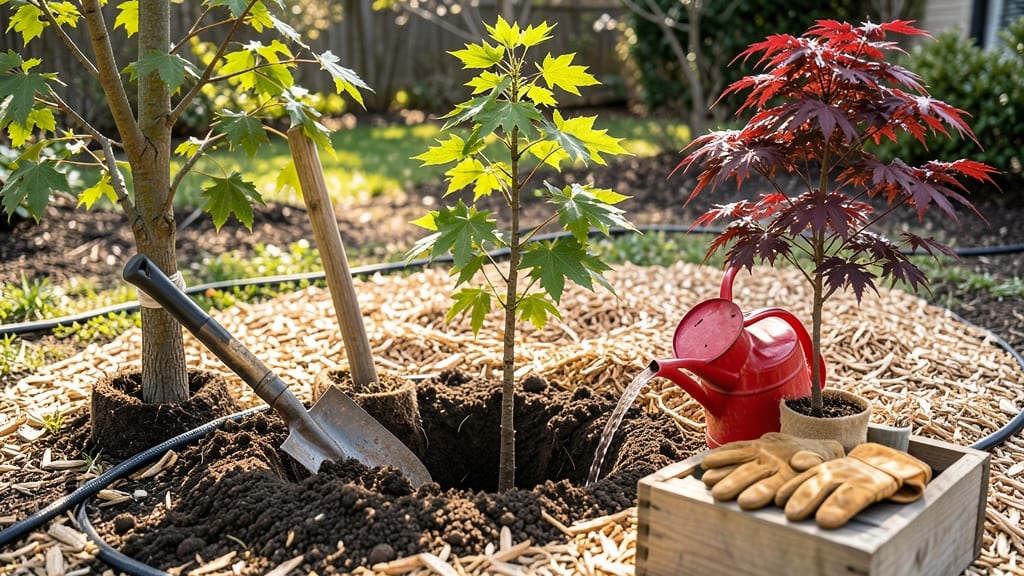
Planting the best time to plant trees in Indiana at the wrong time could mean struggling with stunted growth or even losing your investment before it ever takes root. The key to success? Timing it right—when soil temperatures are just right and frost isn’t lurking around the corner.
In Indiana’s 5b-6b hardiness zones, the best window stretches from late fall to early spring, but not all months are created equal. Whether you’re planting a towering oak or a delicate serviceberry, understanding these seasonal cues makes all the difference.
Let’s break down exactly when to dig in for maximum survival and long-term health.
You might think spring is the only option, but fall planting actually gives roots a head start before winter sets in. Meanwhile, early spring avoids the heat stress of summer.
I’ll show you how to read Indiana’s climate signals—like soil temperature and frost dates—to pick the perfect moment for your tree.
Ready to turn your backyard into a thriving forest? Stick around—I’ll walk you through the step-by-step process, from soil prep to post-planting care, so your tree grows strong for decades. No guesswork, just proven results for Hoosier gardens.
Indiana’s ideal tree planting windows by hardiness Zone (5a–6b)
Indiana’s USDA Hardiness Zones 5a–6b create a unique window for planting trees that maximizes root establishment and survival. Whether you're in northern Indiana (Zone 5a) or southern Indiana (Zone 6b), timing matters—plant too early, and roots may freeze; too late, and they struggle to adapt before winter.
The sweet spot? When soil temperatures hover between 40–60°F, signaling active root growth without stress.
Fall planting (October–November) is ideal for bare-root trees like oaks and maples, while early spring (March–April) works best for container-grown trees or delicate species like bald cypress.
In Zone 5a, aim for late April to early May to avoid late frosts, whereas Zone 6b gardeners can push planting into mid-April with minimal frost risk.
| Zone | Best Planting Window | Soil Temp Threshold | Top Trees for Zone | Root Establishment Tip |
|---|---|---|---|---|
| 5a (North) | Late April–Early May | 45–55°F | Red Oak, Sugar Maple, White Pine | Mulch 3–4 inches deep to insulate roots. |
| 5b (Central) | Mid-April–Late April | 40–50°F | Serviceberry, Hackberry, Eastern Redbud | Water deeply 2x/week for first 2 months. |
| 6a (South) | Early April–Mid-April | 40–55°F | Bald Cypress, Southern Magnolia, Persimmon | Avoid compacted soil; amend with compost. |
| 6b (Extreme South) | Late March–Early April | 45–60°F | Live Oak, Crape Myrtle, Sweetgum | Plant in partial shade if summer heat is intense. |
Fall planting in Indiana (October–November) gives roots a head start before winter dormancy. For example, oaks and maples thrive when planted in late October in Zone 5a, as their roots establish before soil freezes. In contrast, Zone 6b’s warmer microclimate allows fall planting until mid-November for species like live oak.
Spring planting (March–April) is critical for container-grown trees or those with delicate root systems, like serviceberry or bald cypress. In Zone 5a, wait until after the last frost date (April 15) to avoid root damage.
Meanwhile, Zone 6b gardeners can plant as early as late March if soil temperatures exceed 40°F.
Urban areas (e.g., Indianapolis) often experience warmer microclimates than rural zones, allowing slightly earlier planting. Use a soil thermometer to confirm temperatures—below 40°F stunts root growth, while above 60°F can stress newly planted trees.
For instance, a redbud tree in Zone 5b will establish faster in early April when soil hits 50°F.
Root establishment varies by species: fast growers like willows need consistent moisture, while slow growers like oaks benefit from deep watering every 10–14 days post-planting. Mulching with 3–4 inches of wood chips retains moisture and regulates soil temperature, a must for Zone 5a’s colder winters.
Pro tip: Bare-root trees should be planted in fall or early spring when dormant, while container-grown trees offer flexibility year-round (except extreme heat/cold). For example, a sugar maple in Zone 6a planted in October will outperform one planted in June due to cooler soil and reduced transplant shock.
Indiana’s Great Lakes influence creates regional variations—northern zones (5a) have shorter
Soil temperature rules for tree planting success in Indiana
Indiana’s soil temperature is the secret ingredient for successful tree planting. While many gardeners focus on frost dates, roots need consistent warmth—between 40°F and 60°F—to establish before stressing your young tree.
In my experience, planting when soil hits 50°F ensures roots grow actively without risking heat or cold shock.
Urban areas like Indianapolis often warm up faster than rural spots near the Ohio River, so timing can vary by 1-2 weeks. For example, south-central Indiana may hit ideal temps in late March, while northern counties like Fort Wayne might wait until early April.
Always check local USDA Zone 5b-6b guidelines for precision.
🚨 WARNING: Planting too early (below 40°F) stalls root growth, while waiting too late (above 60°F) risks drought stress. Here’s how to avoid costly mistakes:
⚠️ Critical Soil Temp Rules for Indiana Trees
- Below 40°F: Roots won’t grow—planting fails.
- 40–60°F: Sweet spot for root establishment.
- Above 60°F: Drought risk spikes—watering becomes critical.
Pro Tip: Use a soil thermometer ($10) to test 6 inches deep—this is where roots will grow first.
To test soil temperature, insert a soil thermometer (or a candy thermometer) into the ground at 6-inch depth for 30 minutes. Early mornings (before 10 AM) give the most accurate readings. For bare-root trees, aim for 45–55°F—cooler temps help prevent transplant shock.
Indiana’s microclimates complicate timing. Urban heat islands (like downtown Indy) can push soil temps 5–10°F warmer than nearby farms. If you’re unsure, plant container-grown trees in early April—they adapt better to fluctuating conditions than bare-root varieties.
Preparing soil is just as critical. Loosen the top 12 inches of soil, mix in 2–3 inches of compost, and water deeply 24 hours before planting.
This ensures roots encounter moist, oxygen-rich soil immediately after planting. For clay-heavy soils (common in northern Indiana), amend with peat moss to improve drainage.
Once planted, mulch with 3 inches of wood chips, keeping it 6 inches away from the trunk. This retains moisture and regulates soil temperature—critical during Indiana’s hot summers and freeze-thaw cycles.
Monitor soil moisture weekly; newly planted trees need 10–15 gallons of water per week during dry spells.