
Planting
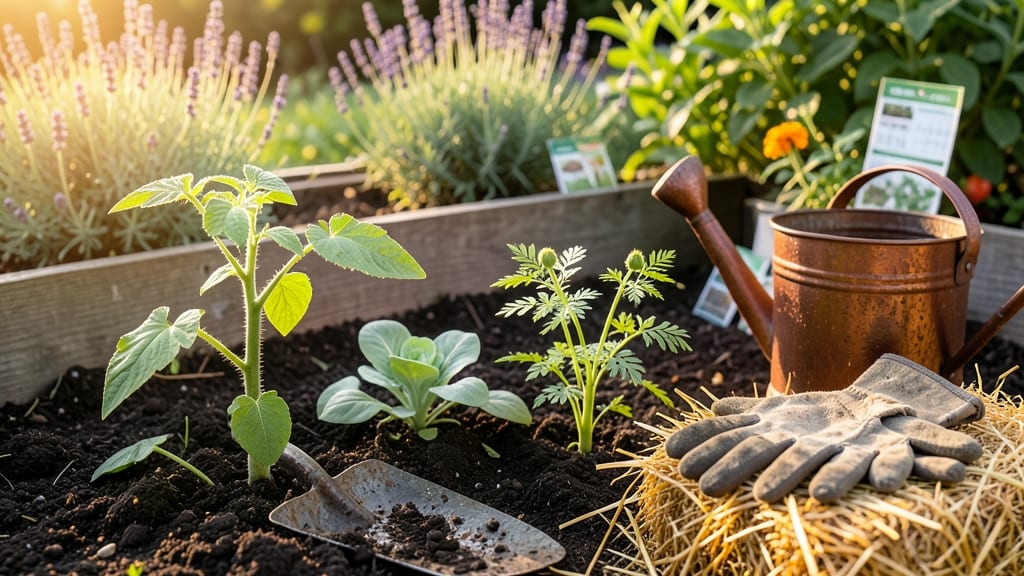
Timing your garden planting in New Brunswick is everything—get it wrong, and frost will turn your hard work into a sad, frozen memory before it even sprouts. The difference between a bountiful harvest and wasted seeds often comes down to those critical frost-free deadlines that vary by county.
With USDA Zone 5b conditions, you’ve got a narrow window to plant General Garden Plants 🌱 before the last frost hits around May 10. Spring planting starts as early as April 15, but rushing too soon can mean lost seedlings.
Meanwhile, fall planting kicks off in August 15—just in time to beat the first frost in October 10.
Whether you’re a beginner or a seasoned gardener, knowing the exact planting windows for your county is the game-changer. I’ll break down the best times for vegetables, flowers, and perennials, so you can avoid common mistakes and maximize your garden’s potential.
Ready to turn your patch of dirt into a thriving oasis? Let’s dive into the precise planting schedule that works for New Brunswick’s climate—no guesswork, just results.
New Brunswick frost-free deadlines by county: exact planting windows for vegetables and flowers
New Brunswick’s frost-free dates vary dramatically by county, creating a 3-week difference between early and late planting zones. In Saint John, coastal warmth lets you start tomatoes by May 1, while inland York County waits until May 15 to avoid late spring frosts.
These variations mean your peppers and cucumbers could thrive in one region but fail in another if planted at the wrong time.
For cool-season crops like spinach and lettuce, you can start seeds indoors as early as March 15 across the province, but transplanting outdoors must wait until soil temperatures hit 45°F (7°C).
In Charlotte County, that’s typically May 5, while Carleton County waits until May 12. Missing these windows risks frost damage to tender seedlings.
Below is your county-by-county guide to frost-free deadlines and ideal planting windows for both warm-season and cool-season crops. Use these dates to schedule your tomato, pepper, and flower plantings for maximum success before the first fall frost (typically October 10–20).
Pro Tip: Coastal areas like Saint John and Charlotte County have 5–7 more frost-free days than inland regions. If you’re unsure, use row covers to extend your planting window by 2–3 weeks in high-risk zones.
For warm-season crops like tomatoes and peppers, count backward from your county’s first frost date. Most varieties need 80–100 days to mature, so plant tomatoes by June 15 in Carleton County to avoid frost.
In Saint John, you can push it to July 1 for a late harvest.
If you’re growing cool-season crops like kale or radishes, you can start seeds 6–8 weeks before your last frost date. For example, in York County, sow spinach indoors by March 25 and transplant outdoors by May 10.
These hardy greens often survive light frosts, giving you an early spring harvest.
Don’t forget flowers like marigolds and sunflowers, which thrive when planted after your last frost. In Charlotte County, direct-sow them by May 10, while Carleton County waits until May
How to adjust planting times for New Brunswick’s microclimates: coastal vs. inland strategies
New Brunswick’s coastal regions like Charlotte County enjoy warmer temperatures and longer growing seasons, while inland areas such as York County face shorter frost-free periods. These microclimates can shift planting windows by 2-4 weeks, so understanding the differences is key to success.
Coastal gardeners often start 2 weeks earlier in spring, while inland gardeners must plan for earlier frost risks.
For coastal areas, the last frost date typically falls around May 15, giving you extra time to plant warm-season crops like tomatoes and peppers. Inland regions, however, may see frost as late as June 1, requiring earlier starts for cool-season vegetables such as spinach or kale.
Adjusting your planting schedule based on these localized frost dates can mean the difference between a bountiful harvest and lost plants.
Soil preparation also varies—coastal soils often benefit from sandier textures due to ocean influence, while inland soils may be clay-heavy and require more compost. Test your soil’s pH and drainage at least 4-6 weeks before planting to give amendments time to work. For coastal gardens, focus on organic matter to improve moisture retention, while inland gardeners may need to break up compacted soil for better root growth.
| Factor | Coastal (Charlotte, Saint John) | Inland (York, Carleton) |
|---|---|---|
| Last Frost Date | May 15 | June 1 |
| First Frost Date | October 5 | September 25 |
| Spring Planting Window | April 20 - May 10 | May 1 - May 20 |
| Fall Planting Window | August 15 - September 15 | July 30 - August 10 |
| Cold-Hardy Varieties | Kale, Swiss Chard, Peas | Spinach, Radishes, Lettuce |
| Row Cover Use | Extend season by 2 weeks | Extend season by 3-4 weeks |
To extend your growing season, both coastal and inland gardeners can use row covers or cold frames. Coastal gardeners might only need these for late fall protection, while inland gardeners should plan to use them throughout spring and early fall.
For coastal gardens, focus on heat-tolerant varieties like okra or sweet potatoes, which thrive in warmer conditions. Inland gardeners should prioritize fast-maturing crops such as bush beans or zucchini to avoid early frost.
Another key strategy is succession planting. In coastal areas, you can stagger plantings of lettuce or carrots every 2 weeks from May through July. Inland gardeners should space plantings 1 week apart to maximize yield before frost.
For both regions, hardening off seedlings is critical—acclimate them over 7-10 days before transplanting to avoid shock, especially in cooler inland climates.
Finally, keep an eye on local weather forecasts and adjust your planting timeline accordingly. Coastal areas may experience milder nights, while inland regions can see rapid temperature drops.
By tailoring your approach to your specific microclimate, you’ll ensure a longer, more productive growing season regardless of where you garden in New Brunswick.