
Plants
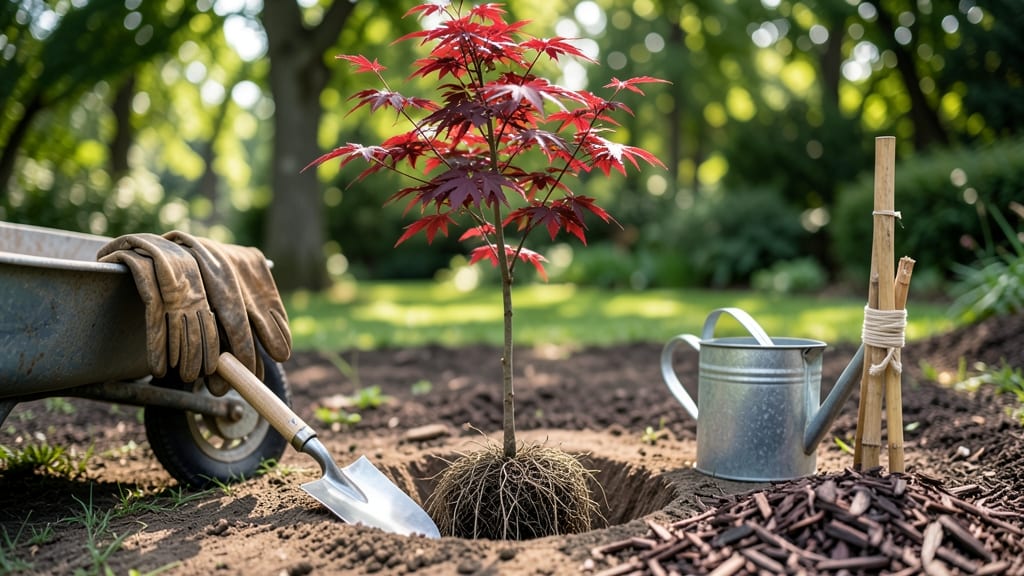
Planting a tree in the ground at the wrong time can mean the difference between a thriving 🌳 and a struggling sapling that never reaches its full potential. The best months to plant depend on your climate zone, soil conditions, and whether you're dealing with deciduous or evergreen species.
For most regions—especially in USDA Zone 6a—late fall to early spring is the golden window. This period gives roots time to establish before summer heat or winter frost hits.
But here's the catch: tropical zones have different rules, and even within temperate climates, soil temperature plays a bigger role than you might think.
I'll break down exactly when to plant based on your location, plus how to prep your tree for success—whether that means testing soil moisture, adjusting for container-grown roots, or timing it with dormancy cycles. Let's get your tree off to the best start possible.
From avoiding early spring bud break to extending planting season in unpredictable weather, you'll learn the critical steps that make all the difference. Ready to dig in?
Best months to plant a tree by u.s. climate Zone
Planting a tree at the wrong time can stunt its growth—or even kill it before it takes root. The best planting window depends on your USDA hardiness zone, local climate patterns, and whether you're planting bare-root or container-grown trees.
In cooler zones, late fall or early spring gives roots time to establish before summer heat or winter frost. Warmer climates often allow year-round planting, but timing still matters for survival.
Your climate zone determines whether you should plant in dormant season (before buds swell) or during cool, wet periods. For example, Zone 3 gardeners should plant in late April or September to avoid frost damage, while Zone 10 gardeners can plant almost anytime except during extreme heat.
Let's break down the ideal months for each zone to maximize your tree's chances of thriving.
In USDA Zones 3-5, where winters are harsh, focus on planting in late spring or early fall. The goal is to give roots time to establish before the ground freezes. For example, in Zone 4, aim for April or September when soil temperatures are consistently above 40°F.
Container-grown trees can handle slightly later planting than bare-root varieties, but avoid transplanting when buds are swelling.
Gardeners in Zones 6-8 have more flexibility, with ideal windows in early spring (March–April) or fall (October–November). Spring planting lets roots grow before summer heat, while fall planting avoids drought stress.
In Zone 7, I’ve seen red maples thrive when planted in late October, but dogwoods prefer April to avoid fungal diseases that thrive in wet fall soil.
For arid climates (Zones 9-10), timing shifts to cool, wet seasons. Plant in November–February to avoid summer drought. In Zone 10, I’ve successfully planted olive trees in December, using 3 inches of mulch to retain moisture.
Never plant during summer—even drought-tolerant trees like mesquite struggle with transplant shock in 100°F+ heat.
Tropical zones (11-12) offer year-round planting, but hurricane season (June–November) is risky. Schedule plantings for dry months and stake young trees to prevent wind damage. In Florida, I’ve planted royal palms in February to avoid storm season, then watered deeply every 3–4 days for the first year.
Regardless of zone, always check for local frost dates and soil conditions. A simple soil thermometer ($10 at garden centers) tells you when roots can actively grow. In my Zone 6 garden, I wait until soil hits 50°F before planting—usually mid-April.
Pro tip: Bare-root trees need moist soil, while container-grown trees tolerate slightly drier conditions.
If you’re unsure about your zone, use the <
5 Critical signs your tree is ready for planting (and 3 mistakes to avoid)
Planting a tree too early or too late can set it up for failure. The key is understanding your tree's dormancy status and soil readiness.
For most trees, the ideal window is when the ground is workable but before buds begin swelling—typically late fall to early spring in temperate zones. This timing allows roots to establish before the stress of summer heat or winter frost.
Container-grown trees and bare-root trees have slightly different readiness cues. Container trees can be planted anytime the soil isn't frozen, but bare-root varieties demand cooler temperatures to prevent transplant shock. Let’s break down the five critical signs your tree is ready—and what to watch out for.
⚠️ Premature Planting Warning
Bud swell or early root flush are red flags—your tree is waking up too soon! Planting during these stages forces the tree to grow leaves or flowers before its roots can support them, leading to stress, wilting, or death. For container trees, check for root circling (roots growing in circles around the pot)—this signals it’s been too long in its container.
First, check the soil temperature. Use a soil thermometer to confirm it’s above 40°F (4°C) at a 6-inch depth. Cold soil slows root growth, while warm soil encourages rapid establishment. In USDA Zones 3-5, aim for planting after the last frost date but before buds break.
For Zones 6-11, prioritize cooler months like October to February to avoid summer heat stress.
Next, inspect the tree’s root system. For bare-root trees, healthy roots should be white or light tan, not dark or mushy. If roots are dry and brittle, soak them for 1-2 hours before planting.
Container trees should have roots growing along the pot’s edges—a sign they’re eager to expand into the ground. Avoid planting if roots are tightly bound or circling the pot.
Moisture is another critical factor. The soil should be damp but not soggy when you dig. If it’s bone-dry, water the planting hole thoroughly 24 hours before planting.
Overly wet soil can suffocate roots, while dry soil forces the tree to work harder to hydrate. Mulch the base immediately after planting to retain moisture and regulate soil temperature.
Three common mistakes can derail your tree’s success. First, planting too deep buries the root flare (where roots meet the trunk), which can strangle the tree. Second, ignoring container size—small pots limit root growth, while oversized pots can delay establishment.
Third, skipping staking only when necessary, as over-staking weakens trunk development. Always stake only if the tree is top-heavy or in a windy location.
By paying attention to these signs and avoiding these pitfalls, your tree will have the best chance to thrive. Whether you’re planting a young sapling or a mature bare-root specimen, timing and preparation make all the difference. Happy planting! 🌳