
Plants
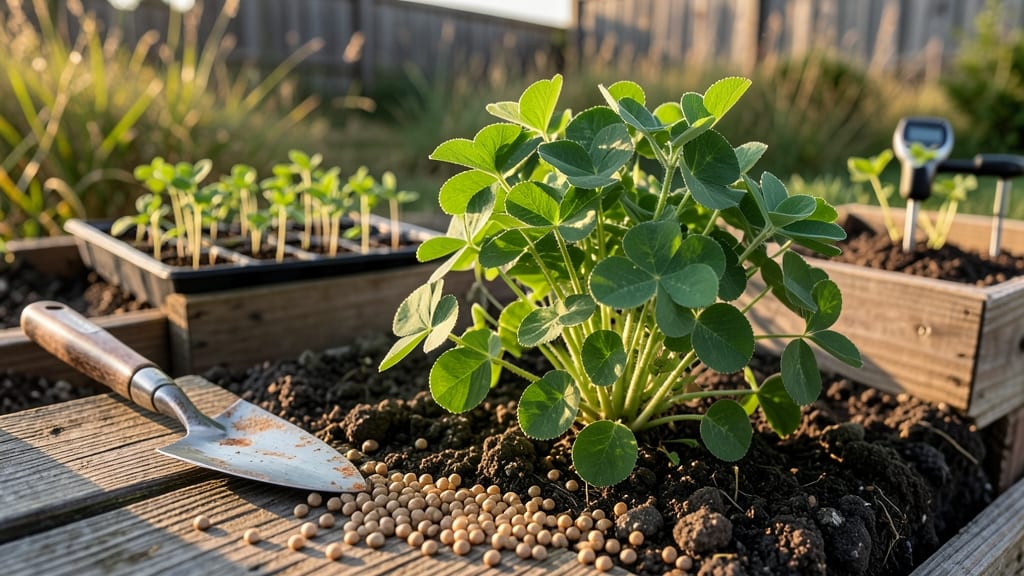
Planting alfalfa in North Carolina at the wrong time can mean the difference between a thriving forage crop and a wasted effort.
Whether you're a farmer looking to boost livestock feed or a gardener eager to grow this hardy perennial, getting the timing right is critical—especially in NC's 6a-8b zones where frost and heat play tricks on growth.
Most gardeners in North Carolina know alfalfa 🌱 thrives in warm soil, but few realize that planting too early risks frost damage while waiting too long can stunt your crop before summer's peak.
The ideal window? Early spring (March-April) or late summer (August-September), when soil temperatures hit that sweet spot of 55-65°F—just warm enough to wake those seeds without inviting pests or disease.
What makes NC unique is its varied climate—from the cooler Piedmont to the humid Coastal Plain. I'll show you how to read your local frost dates, adjust for your specific zone, and even use simple soil tests to ensure your alfalfa gets off to the strongest start possible.
No more guessing games about when to plant.
By the end of this guide, you'll know exactly when to put those seeds in the ground, how deep to plant them, and what to watch for in the weeks that follow. Let’s turn your alfalfa dreams into a reliable, high-yield reality—no matter where you are in the state.
Best planting months for alfalfa in NC based on soil temperature
North Carolina’s diverse USDA zones (6a-8b) create unique challenges for alfalfa growers. The key to success lies in soil temperature—alfalfa thrives when soil reaches 55-65°F, signaling it’s safe from frost damage.
In Zone 6a, this typically happens by mid-March, while Zone 8b gardeners can start as early as late February. Understanding these microclimates ensures your seedlings establish strong roots before summer heat arrives.
Alfalfa is a cool-season perennial, meaning it establishes best in early spring or late summer. Spring planting (March-April) gives plants 6-8 weeks of warm weather to mature before summer droughts hit.
Late summer planting (August-September) takes advantage of fall rains and cooler temps, allowing roots to establish before winter dormancy. Both windows avoid the peak heat stress of July.
Here’s how to use the USDA hardiness map to pinpoint your perfect planting window:
- Locate your NC county on the map
- Note your last frost date (March 1 in Zone 6a, April 15 in Zone 8b) 3.
Plant 3-4 weeks after your last frost date 4. For late summer, aim for 6-8 weeks before your first frost (November 1 in Zone 6a, December 15 in Zone 8b)
For Zone 6a gardeners, I recommend starting seeds indoors in late February to transplant outdoors by April 1. This head start gives seedlings a 2-week advantage over direct-sown plants. Use heat mats to maintain soil temps above 55°F until transplanting.
In Zone 8b, you can direct-sow as early as mid-February, but monitor soil temps closely—alfalfa seeds won’t germinate below 50°F.
Soil temperature is more critical than air temperature for alfalfa germination. Use a soil thermometer ($15 at garden centers) to check depths of 1-2 inches. If temps dip below 50°F, delay planting until conditions stabilize.
In Coastal NC (Zone 8a-8b), humidity can keep soil temps 5°F warmer than inland areas, allowing earlier planting. For Piedmont regions (Zone 7a-7b), aim for mid-March to avoid late spring frosts.
Perennial alfalfa varieties like ‘Moapa’ benefit from late summer planting (August) because they establish roots before winter. This method reduces first-year heat stress and improves overwintering success. After planting, mulch with straw (2-3 inches) to maintain soil moisture and temperature.
In drought-prone Western NC, this technique can double survival rates compared to spring planting alone.
One common mistake is planting alfalfa too early in Zone 6a—seedlings often rot in cold, soggy soil. Instead, wait until soil reaches 60°F consistently for 5 days. For Zone 8b, the opposite risk exists: planting too late means summer heat stunts germination.
The optimal window is when daytime highs reach 75°F but nights stay above 55°F.
To extend your planting season, consider black plastic mulch, which warms soil by 5-10°F. Lay it down 2 weeks before planting in early spring to create a microclimate that mimics summer conditions.
This trick works especially well for late-March plantings in Zone 6a, where frost risk lingers. Always remove mulch after germination to prevent heat buildup around seedlings.
Remember: alfalfa’s deep taproot system needs well-drained soil to establish. Test your soil’s drainage rate by digging a 12-inch hole—if water pools after 6 hours, amend with sand or compost before planting. This step is crucial for Coastal Plain soils, which often compact during wet springs.
With the right
How to avoid common mistakes that kill alfalfa seedlings in NC
Alfalfa seedlings in North Carolina are delicate, and even small mistakes can lead to poor germination or death. I’ve seen firsthand how planting too deep, ignoring soil pH, or watering inconsistently can turn a thriving alfalfa patch into a failed experiment.
The key is understanding the specific needs of alfalfa in NC’s climate, where late frosts and humidity fluctuations add extra challenges.
One of the biggest killers of alfalfa seedlings is planting them too deep. Unlike many crops, alfalfa seeds need to be sown only 1/4 inch deep to ensure they get enough light to germinate.
If you bury them deeper, they’ll struggle to break through the soil, leading to weak or failed sprouts. I always use a seed rake or my fingers to lightly cover the seeds—never more than a quarter-inch.
Another critical factor is soil pH. Alfalfa thrives in soil with a pH between 6.0 and 7.0. If your soil is too acidic or alkaline, the seedlings won’t absorb nutrients properly, leading to stunted growth or death.
Before planting, I test my soil using a home pH kit or send a sample to the NC Department of Agriculture. If adjustments are needed, I add lime for acidic soil or sulfur for alkaline soil a few weeks before planting.
⚠️ NC-Specific Seedling Killer: Late Frosts
North Carolina’s unpredictable late frosts (even after the average last frost date) can wipe out young alfalfa plants. Use the USDA frost calculator (click here) to find your local frost-free date. For extra protection, cover seedlings with frost cloth or row covers during cold snaps, especially in USDA Zones 6a-7a.
Watering is another area where gardeners often go wrong. Alfalfa seedlings need consistent moisture but can’t handle soggy soil. I water deeply every 2-3 days during germination, ensuring the top 1-2 inches of soil stay moist.
Once the seedlings are established, I reduce watering to once a week, allowing the topsoil to dry slightly between waterings. Overwatering leads to root rot, while underwatering causes wilting and death.
Finally, don’t overlook the importance of mulching. A layer of straw or wood chips helps retain moisture, suppress weeds, and regulate soil temperature. I apply mulch 1-2 weeks after planting, keeping it 2-3 inches away from the seedlings to avoid smothering them.
This simple step has saved my alfalfa seedlings from NC’s hot afternoons and cool nights.
By avoiding these common mistakes—proper planting depth, correct soil pH, consistent watering, and frost protection—you’ll give your alfalfa seedlings the best chance to thrive in North Carolina’s unique climate. With the right care, you’ll soon have a lush, productive alfalfa patch ready for harvest. 🌱