
Plants
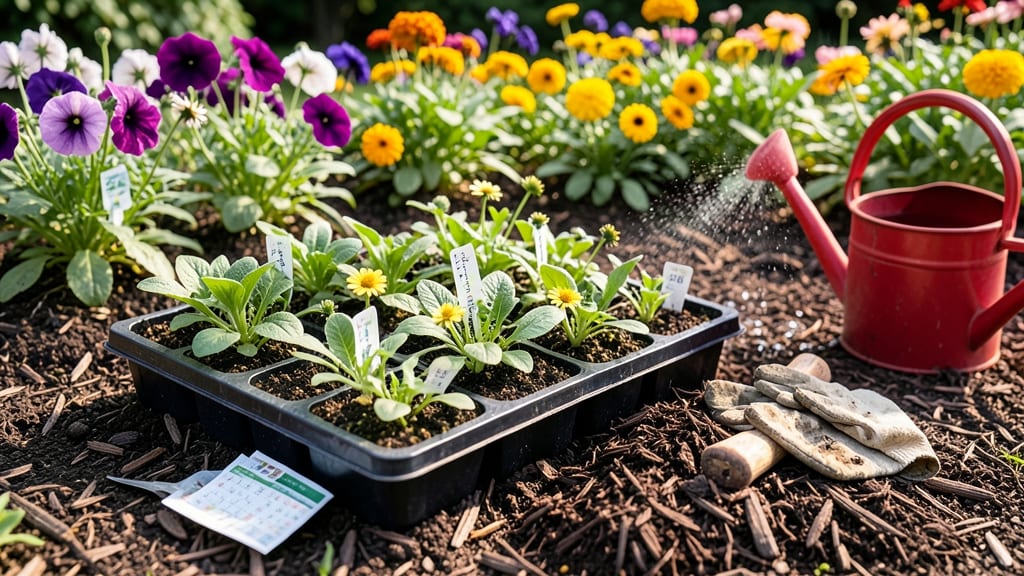
Timing when to plant annuals in Colorado just right can mean the difference between a garden that bursts with color and one that fizzles before summer’s end.
With frost dates shifting from April 15 in Denver to March 20 in Grand Junction, knowing when to plant is the key to vibrant blooms that last all season.
I’ve learned the hard way that planting too early—before the soil warms to 60°F—can leave your 🌸 annuals struggling against late frosts. But the right timing also means avoiding the rush to get seeds in the ground before the last frost, which can leave your garden looking sparse.
Whether you’re in the Front Range’s dry climate or the cooler mountain valleys, the secret lies in matching your planting schedule to your microclimate.
In this guide, I’ll break down the exact windows for spring and fall planting, plus the best heat-tolerant varieties for Colorado’s short growing season. You’ll discover how to stretch your blooms from May through October with simple tricks like staggered sowing and cold frames—no green thumb required.
Ready to transform your garden into a nonstop show of color? Let’s dive into the most important dates and varieties to make your annuals thrive, no matter where you are in the state.
Colorado’s planting zones: when to start annuals by microclimate
Colorado’s planting zones are as diverse as its landscapes, with elevation shifts of thousands of feet creating wildly different frost dates.
The Front Range (Denver, Boulder) has a shorter growing season than the Western Slope (Grand Junction), while mountain regions (above 8,000 ft) face unique challenges like late springs and early snows. Understanding these microclimates is key to planting annuals that bloom reliably.
Your first step? Check your last frost date, which varies dramatically. Denver’s average is April 15, but in Colorado Springs, it’s April 20, and in Grand Junction, you can plant as early as March 20.
Higher elevations (7,000–10,000 ft) often delay planting until May 1 or later. These dates determine whether you’ll grow heat-loving zinnias or cool-season snapdragons.
Elevation matters more than latitude in Colorado. A garden at 5,280 ft (Denver) will have a 120-day growing season, while one at 8,000 ft (Aspen) may only get 90 days. This means staggered planting—sowing fast-growing basil in early May and heat-tolerant cosmos in late June—can maximize your bloom time.
Here’s how to navigate Colorado’s four key microclimates for planting annual flowers and vegetables:
| Microclimate | Avg. Last Frost | Ideal Planting Window | Heat-Tolerant Annuals | Cold-Hardy Annuals | Key Tip |
|---|---|---|---|---|---|
| Front Range (Denver, Boulder, Fort Collins) | April 15 | April 20–May 15 | Zinnias, Marigolds, Sunflowers | Snapdragons, Pansies, Sweet Alyssum | Use row covers for early starts. |
| Western Slope (Grand Junction, Durango) | March 20 (low desert) / April 10 (higher) | March 25–April 30 | Portulaca, Lantana, Mexican Sunflower | Calendula, Stock, Sweet Peas | Irrigate deeply 2x/week—dry heat is brutal. |
| Eastern Plains (Colorado Springs, Pueblo) | April 20 | April 25–May 10 | Cosmos, Vinca, Celosia | Iceland Poppies, Sweet William | Plant windbreaks to protect young seedlings. |
| Mountain Regions (Aspen, Breckenridge, 7,000–10,000 ft) | May 15–June 1 | June 1–July 15 | Geraniums, Petunias, Coleus | Sweet Alyssum, Lobelia | Start container plants indoors in April. |
For Front Range gardens, I recommend planting heat-loving annuals like zinnias and marigolds after May 1 to avoid late spring frosts. These varieties thrive in full sun and well-draining soil, which is critical in Denver’s clay-heavy areas.
Amend your soil with compost to improve drainage and retain moisture during dry spells.
On the Western Slope, where summers are hot and dry, focus on drought-tolerant annuals such as portulaca and lantana. These plants need minimal watering once established but still require morning watering to prevent sunburn on leaves. Mulch heavily
Best annual flowers for Colorado’s climate: heat-tolerant and frost-resistant picks
Colorado’s short growing season and unpredictable frosts demand annual flowers that thrive under pressure. The right heat-tolerant and frost-resistant varieties can turn your garden into a year-round spectacle, even when temperatures swing wildly.
I’ve tested these top performers in my own Denver garden—they bloom reliably from May through October with minimal fuss.
For high-altitude gardens (5,000–8,000 ft), prioritize varieties that handle cool nights and intense afternoon sun. In the Front Range, drought-resistant picks conserve water while still delivering bold, long-lasting blooms.
Below, I’ve curated the best annuals for Colorado’s climate, including their ideal planting windows, sunlight needs, and drought tolerance.
⚠️ Summary Table: Top Annual Flowers for Colorado’s Climate
| Variety | Planting Time | Sun Needs | Drought Tolerance | Height |
|---|---|---|---|---|
| Cosmos | April 15–May 15 | Full sun (6+ hrs) | Very high | 2–4 ft |
| Zinnias | May 1–June 15 | Full sun (6+ hrs) | High | 1–3 ft |
| Marigolds | April 15–May 30 | Full sun (6+ hrs) | Very high | 1–2 ft |
| Snapdragons | March 15–April 15 (or Aug 1–Sept 15) | Full sun to partial shade | Moderate | 1–3 ft |
| Lantana | May 15–June 15 | Full sun (6+ hrs) | Very high | 1–2 ft |
Cosmos are my go-to for drought-prone gardens—they thrive on neglected soil and scorching afternoons. Plant them in late April to mid-May for blooms that last until first frost. Their airy stems also attract pollinators like bees and butterflies, making them a low-maintenance powerhouse.
Zinnias outperform in Colorado’s heat, especially the Benary’s Giant variety, which blooms nonstop from June to October. Start seeds indoors in early May or sow directly after last frost. Deadhead spent blooms to encourage longer vase life and continuous flowering.
For early-season color, snapdragons are unbeatable. They tolerate light frosts and bloom from May to September if planted in March or August. Choose dwarf varieties for containers or tall types as cut flowers. Pair them with marigolds to deter pests naturally.
If you’re in high-desert areas like Grand Junction, lantana is a heat-loving superstar. It blooms from June through October with zero fuss and thrives in poor, dry soil. Plant after May 15 to avoid late spring frosts.
Pro tip: Mulch heavily around drought-tolerant plants to retain moisture. Use straw or wood chips and water deeply once a week during peak summer. This trick extends bloom time by 2–4 weeks in my Front Range garden.