
Plants
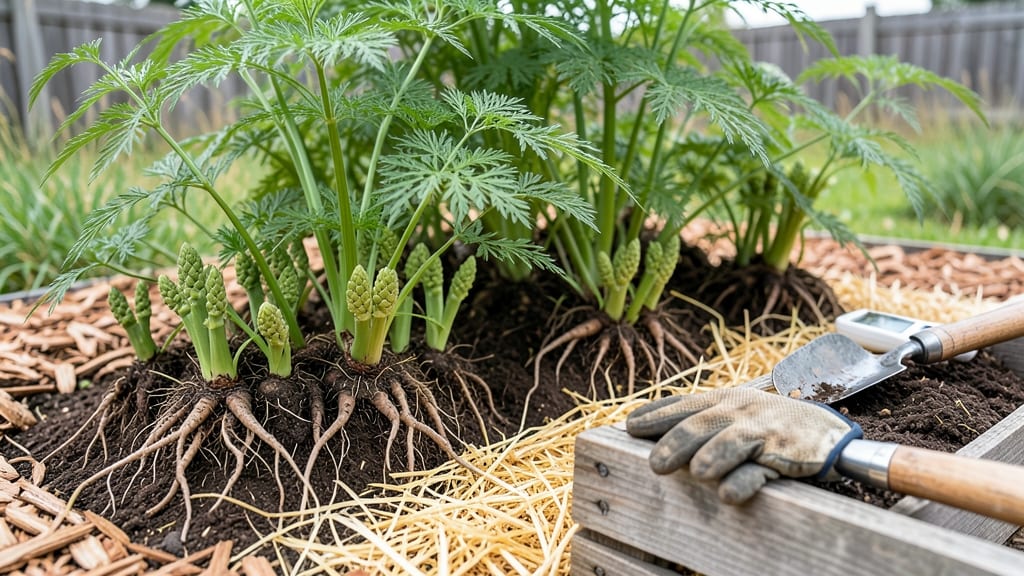
Planting asparagus in Tennessee at the wrong time means waiting years for those prized spears—or worse, watching your seedlings freeze before they even sprout.
In USDA Zone 7a, the 40-50°F soil window opens in early spring, but timing it right is the difference between a thriving asparagus patch and a disappointing gamble.
I’ve seen Tennessee gardeners rush planting after the last frost (usually around March 15), only to have their asparagus crowns rot in chilly, soggy soil. The key isn’t just avoiding frost—it’s giving those roots time to settle before summer’s heat kicks in.
With the right approach, you’ll get fast establishment and harvests in just 2-3 years, not the 5+ years some gardeners experience.
What most guides don’t tell you is how Tennessee’s microclimates—from the cooler highlands to the humid valleys—can shift your ideal planting window by weeks.
I’ll break down exactly when to dig in, how to prep your soil for Zone 7a’s clay-heavy conditions, and the simple tricks to avoid common mistakes that derail even the most eager gardeners.
Ready to grow asparagus that actually pays off? Let’s cut through the guesswork and get your 🌱 asparagus crowns in the ground at the perfect moment—so you can enjoy those tender spears sooner than you think.
Optimal planting windows in Tennessee (Zone 7a) for maximum asparagus yield
In Tennessee’s USDA Zone 7a, asparagus thrives when planted during two critical windows: early spring or late fall. The key is soil temperature—roots need 40-50°F soil to establish properly.
Spring planting (March-April) gives you the fastest harvests, while fall planting (October-November) offers a backup if spring timing slips. Let’s break down the best approach for your Tennessee garden.
Spring planting is my top recommendation for Tennessee gardeners. Aim for late March to mid-April when soil temperatures consistently stay above 40°F. This timing aligns with Tennessee’s last frost date (typically March 15), reducing frost risks to young plants.
However, if you’re in northwest Tennessee (cooler microclimates), wait until early April to avoid late frosts that can damage tender shoots.
Fall planting is a smart alternative if spring timing feels risky. Plant 6-8 weeks before your first frost (usually mid-October to early November in Zone 7a). The roots establish over winter, giving you a head start in spring.
Just ensure the ground isn’t frozen—roots need 40-50°F soil to grow. This method works well in southeast Tennessee, where winters are milder.
Soil temperature is non-negotiable for asparagus success. Use a soil thermometer to confirm conditions. If temperatures dip below 40°F, delay planting until conditions improve. In Tennessee’s clay-heavy soils, warmth penetrates slowly, so monitor closely. Pro tip: Black plastic mulch can warm soil by 5-10°F if you’re planting early.
Tennessee’s microclimates create regional variations. In the Blue Ridge Mountains (higher elevations), plant 2-3 weeks later than the valley floors. Conversely, Memphis and Nashville areas can plant as early as mid-March due to warmer soils. Check your local frost dates—they’re your planting guide.
Here’s a quick reference for Tennessee’s planting zones and ideal windows:
| Planting Window | Soil Temp Requirement | Tennessee Regions | Key Consideration |
|---|---|---|---|
| Late March - Mid-April | 40-50°F | Valleys (Nashville, Memphis) | Avoid late frosts; use row covers if needed |
| Early April - Early May | 40-50°F | Mountains (Blue Ridge) | Wait for soil to warm; cooler microclimates |
| Mid-October - Early November | 40-50°F | All regions | Roots establish over winter; milder SE TN preferred |
If you miss the spring window, don’t panic—fall planting still works. The key is to plant before the ground freezes. In Tennessee, this usually means late October to early November.
The roots will grow slowly but steadily, giving you a jumpstart in spring. Just avoid planting after November 15, as the ground may freeze before roots establish.
One common mistake Tennessee gardeners make is planting too late in spring. If you wait until May, your asparagus may not produce spears until year 4 or 5 instead of year 2-3.
The first 60 days after planting are critical for root development. Plant early to maximize yield and speed up harvest times.
For container growing in Tennessee, follow the same timing rules but use larger pots (20+ gallons) to accommodate deep roots. Containers warm up faster in spring, so you can plant 1-2 weeks earlier than in-ground beds.
Just ensure pots have drainage holes to prevent root rot—especially important in Tennessee’s rainy springs.
Remember, asparagus is a perennial crop, so getting the timing right now means years of harvests with minimal effort. Once established, your plants will thrive in Tennessee’s climate, producing spears for 15-20 years. Start with the right window, and you’ll be enjoying fresh, homegrown asparagus for decades.
How to prepare Tennessee soil for asparagus planting (before and after timing)
Tennessee’s clay-heavy soils can be a double-edged sword for asparagus—too dense, and your roots suffocate; too loose, and nutrients wash away. The key is creating a well-aerated, nutrient-rich bed that mimics the sandy-loam ideal for asparagus crowns.
I’ve seen gardeners in Zone 7a struggle with poor drainage, leading to rot before spears even emerge. With the right prep, you’ll give your asparagus the fast root establishment it needs to thrive.
Start your soil prep 8-12 weeks before planting—this gives amendments time to break down and improve structure. Asparagus roots spread aggressively, so focus on a 6-inch-deep zone where you’ll plant. The goal?
A pH of 6.5-7.5, 3-5% organic matter, and soil that drains like a sponge, not a swamp. Tennessee’s clay can hold moisture for days, inviting fungal diseases that asparagus hates.
⚠️ callout warning ⚠️
If your soil feels sticky when wet and forms hard clods when dry, you’re dealing with classic Tennessee clay. Never plant asparagus directly into unamended clay—the roots will suffocate. Instead, use raised beds or mound soil with 50% compost to break up compaction.
Pro Tip: Mix in coarse sand or perlite (20% of your amendment mix) to improve drainage without losing nutrients.
First, test your soil’s pH and organic matter. Tennessee’s native soils often skew acidic (pH 5.5-6.0), which stunts asparagus growth. Grab a soil test kit (or send a sample to UT Extension) and adjust with lime (to raise pH) or sulfur (to lower pH) as needed.
For organic matter, aim to double what’s naturally in your soil—work in 3-4 inches of compost or well-rotted manure (like cow or horse) into the top 12 inches.
Drainage is non-negotiable. Asparagus roots rot in soggy soil, and Tennessee’s heavy rains make this a real risk. If your garden sits in a low spot, create a raised bed at least 12 inches high or build a soil mound where you’ll plant.
For in-ground spots, till in coarse sand or perlite (1 part sand to 3 parts soil) to prevent compaction. I’ve had success with a mix of 50% topsoil, 30% compost, and 20% perlite—it drains well but holds enough moisture for root growth.
After planting, mulch heavily with straw or wood chips (3-4 inches deep) to retain moisture and suppress weeds. Asparagus is a perennial workhorse, so your soil prep now will pay off for 15+ years.
Avoid fresh manure or high-nitrogen fertilizers right after planting—these can burn delicate roots. Instead, side-dress with aged compost in early spring to feed the crowns without shocking the system.
One final tip: If your soil tests show low phosphorus (common in Tennessee), add bone meal at planting time. Asparagus needs phosphorus for strong root development, and Tennessee’s clay often leaches it away.
A 1/2 cup per plant mixed into the planting hole gives roots the boost they need to establish quickly—so you can start harvesting those tender spears in just 2-3 years instead of waiting for the 5+ years many gardeners experience.