
Plants
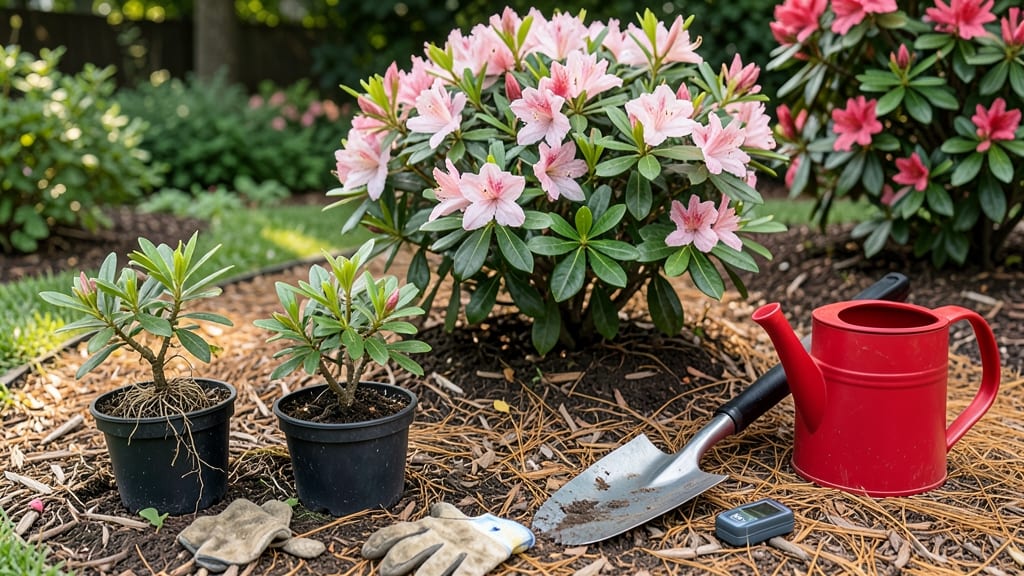
Planting azaleas in Ohio at the wrong time could mean missed spring blooms or struggling shrubs that never fully thrive. Unlike other plants, these 🌸 azaleas need precise timing to establish strong roots before summer heat or winter freeze sets in.
For Ohio gardeners in USDA Zone 6a, the ideal window is narrow but critical—late April through May, after the last frost date has passed. This timing gives your azaleas 6-8 weeks of warm soil before summer arrives, which is exactly what they need to take root.
But here's the catch: container-grown azaleas can handle a slightly later planting than bare-root varieties. If you're working with potted plants, you might extend your window into early June, but bare-root azaleas need that early start to avoid transplant shock.
I'll walk you through exactly how to time your planting for maximum success, including soil prep tips and variety selection that works best for Ohio's climate. Let's get those azaleas in the ground the right way for years of stunning spring color.
Best planting window for Ohio azaleas: month-by-month USDA Zone 6b guide
Ohio's USDA Zone 6b climate creates a narrow but critical window for planting azaleas. The key is avoiding both late spring frosts and winter freezes while giving roots time to establish before summer heat.
Most Ohio gardeners achieve success by planting between October and April, with specific months offering unique advantages for root growth and bloom potential.
For container-grown azaleas, the ideal planting window extends slightly longer than bare-root varieties. This is because potted plants have already developed some root systems and can handle early spring planting (as early as late March) once soil temperatures rise above 50°F.
Bare-root azaleas, however, require cooler soil temperatures (below 60°F) to prevent transplant shock, making fall planting their best option.
| Month | Ideal Planting Time | Soil Temp | Frost Risk | Root Establishment |
|---|---|---|---|---|
| October | Bare-root only; before ground freezes | 50-55°F | Low (late month) | Slow but safe; roots harden before winter |
| November | Avoid (ground freezes) | Below 40°F | High | None |
| December | Avoid (frozen ground) | Below 32°F | Extreme | None |
| January | Avoid (frozen ground) | Below 32°F | Extreme | None |
| February | Avoid (frost risk) | 35-45°F | Moderate | None |
| March | Container-grown only (late month) | 45-55°F | Low (late month) | Slow; protect from late frosts |
| April | Best month (after last frost) | 55-65°F | None (post-April 15) | Rapid; 6-8 weeks to establish |
| May | Second-best (early month) | 60-70°F | None |
How to choose the right azalea variety for Ohio’s climate and soilOhio’s USDA Zone 6b climate and clay-heavy soils demand azalea varieties that handle cold snaps and acidic conditions. Native Rhododendron canescens (smooth azalea) thrives here, while Exbury hybrids offer showier blooms—each with trade-offs for your garden’s success. Native azaleas like Rhododendron canescens are hardy to Zone 5 and drought-tolerant, making them ideal for Ohio’s variable winters. Their smaller blooms (white to pink) may lack hybrid drama, but they require less maintenance and attract pollinators. Hybrid azaleas, such as ‘Girard’s Pink’ or ‘Hino Crimson’, boast larger, brighter flowers and prolonged bloom times. However, they need consistent moisture and acidic soil amendments (like pine bark mulch) to thrive in Ohio’s alkaline clay. Test your soil’s pH level—azaleas thrive in pH 4.5–6.0. Ohio’s native soils often run alkaline (pH 7.0+), so amend with sulfur or peat moss before planting. Container-grown azaleas adapt better to soil adjustments than bare-root plants. Native Azaleas (e.g., Rhododendron canescens)Pros
Cons
Hybrid Azaleas (e.g., Exbury Hybrids)Pros
Cons
For Ohio’s Zone 6b swings, prioritize cold-hardy hybrids like ‘Bow Bells’ (pink) or ‘Anglois Hybrid’ (red). These tolerate -10°F temps and humid summers. Plant in morning sun/afternoon shade to protect blooms from midday heat. Mulch with 3–4 inches of pine bark to lock in moisture and lower soil pH. Avoid wood chips, which can raise pH over time. In containers, use acidic potting mix and fertilize monthly during growing season. Your azalea’s first winter is critical—cover young plants with burlap if snow cover is light. Native varieties recover faster from freeze-thaw cycles than hybrids. With the right variety and soil prep, Ohio’s azaleas will reward you with spring color for decades. 🌸 |