
Plants
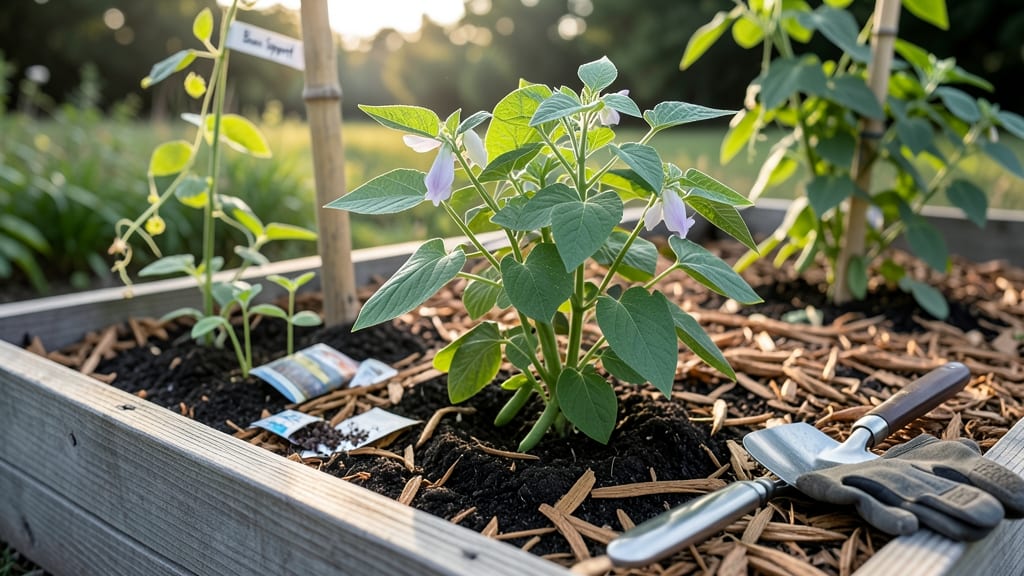
Planting beans in Southern California at the wrong time can turn your fresh garden harvest into a bitter disappointment—especially when you could be enjoying crisp, flavorful pods all year.
The key is timing: with no frost to worry about in most zones, you’ve got two perfect windows to plant 🌱 beans—but getting it wrong means stunted growth or even no harvest at all.
Unlike other regions, Southern California’s Mediterranean climate lets you grow beans twice a year, but heat and soil conditions play a bigger role than you might think. Inland areas like the Inland Empire can handle summer plantings, while coastal zones like San Diego thrive in cooler spring and fall.
I’ll break down the exact months to plant for your microclimate, so you never miss the sweet spot.
You might assume beans are a low-maintenance crop, but in SoCal’s intense summer heat, even the hardiest varieties need the right start. Learn how to time your planting for ideal soil temperatures, avoid common mistakes that waste your effort, and pick heat-resistant varieties that actually deliver.
Let’s get your beans growing the smart way.
Ready to skip the guesswork? I’ll walk you through the two best planting windows, how to adjust for your specific zone, and even when to harvest for peak flavor. No more second-guessing—just a foolproof plan for a bountiful bean harvest all season long.
Best planting times for beans in Southern California by variety
Southern California’s Mediterranean climate creates unique opportunities for growing beans year-round, but timing is everything. Unlike northern regions, we don’t have to worry about frost, but heat stress and soil temperature still dictate success.
The key is planting when soil warms to 60°F+ and avoiding the hottest summer months (above 90°F). Let’s break down the best windows for bush beans, pole beans, and heat-tolerant heirlooms across SoCal’s microclimates.
Coastal areas like Los Angeles and San Diego enjoy milder winters, while the Inland Empire and Desert regions can experience hotter, drier conditions. Even within these zones, elevation matters—higher areas (like Pasadena) may see cooler nights.
For example, I planted ‘Contender’ bush beans in my San Diego garden in early February, and they thrived without any frost issues, while a friend in Palm Springs waited until late March for the same variety.
Here’s the comparison table to help you visualize the best planting windows for each variety and microclimate:
| Variety | Coastal (e.g., LA, SD) | Inland Empire (e.g., Riverside) | Desert (e.g., Palm Springs) | Key Notes |
|---|---|---|---|---|
| Bush Beans (e.g., 'Blue Lake', 'Roma II') | Feb–Mar, Aug–Sep | Mar–Apr, Sep–Oct | Apr–May, Oct–Nov | Compact; ideal for small spaces. Avoid summer planting in coastal areas. |
| Pole Beans (e.g., 'Kentucky Wonder', 'Rattlesnake') | Feb–Mar, Aug–Sep | Mar–Apr, Sep–Oct | Apr–May, Oct–Nov | Vining varieties need trellises. Plant early to escape summer heat. |
| Heat-Tolerant Heirlooms (e.g., 'Scarlet Runner', 'Black Valentine') | Mar–Apr, Sep | Apr–May, Oct | May–Jun, Nov | Thrive in summer heat but need consistent water. Best for inland/desert. |
For spring plantings, aim to get beans in the ground by late March in coastal areas and mid-April inland. This gives them time to mature before summer’s intense heat sets in.
I’ve found that pole beans planted in early March in Santa Barbara produce pods by May, just as the weather starts to warm up. Meanwhile, bush beans can handle slightly later plantings, as they mature faster (about 50–60 days to harvest).
Fall is another prime window for beans in SoCal, especially in August–September. The cooling temperatures help prevent blossom drop, a common issue when beans face heat stress.
In my Orange County garden, I planted ‘Provider’ bush beans in early September, and they produced sweet pods through November. The key is to water consistently and mulch heavily to retain moisture as temperatures drop.
If you’re in the Desert, like Palm Springs or Yuma, your planting windows shift later. Here, I recommend waiting until April–May for spring plantings to avoid the 100°F+ days that can scorch young plants.
For fall, October–November is ideal—just be prepared for cooler nights that may slow growth. A row cover can help extend the season by 2–3 weeks if frost threatens (rare but possible in high desert areas).
One critical tip for all SoCal gardeners: Soil temperature matters more than air temperature. Use a soil thermometer to confirm it’s 60°F+ before planting. I’ve seen seeds rot in cold soil even when daytime temps are warm.
For container gardening, black pots absorb heat faster, so they’re perfect for spring plantings—just monitor moisture closely, as they dry out quicker.
Finally, don’t overlook succession planting. In SoCal, you can stagger plantings every 2–3 weeks from February to September to ensure a continuous harvest. For example, I plant ‘Blue Lake’ bush beans in February, then again in April and June, guaranteeing fresh pods from May through October.
This strategy works especially well for pole beans, which can produce for 3–4 months if given proper support and care.
By aligning your planting schedule with these microclimate-specific windows, you’ll avoid bitter flavors, stunted growth, and poor yields. Experiment with a few varieties in your zone, and soon you’ll have a homegrown bean harvest that rivals any store-bought option. Happy planting! 🌱
Heat-resistant bean varieties that thrive in Southern California’s summer
Southern California’s summer heat can turn ordinary beans into a struggle, but the right varieties handle 100°F+ temperatures like a breeze. I’ve grown these heat-resistant beans in USDA zones 9b-11 and they consistently deliver—even in the Inland Empire’s scorching summers.
The key is selecting varieties that prioritize pod production over seed development, so you get crisp, flavorful harvests instead of tough, stringy pods.
My top pick for summer planting is ‘Contender’ bush beans, which I’ve seen thrive in full sun with minimal wilting. This variety’s secret? A thick waxy coating that locks in moisture, plus a compact growth habit that keeps foliage from overheating.
Gardeners in Riverside and San Bernardino swear by it for August-September plantings, harvesting pods even when temps hit 105°F.
For those who prefer pole beans, ‘Rattlesnake’ beans are a game-changer. Their dark purple pods stay tender longer in heat, and the vines handle intense sunlight better than most varieties. I planted them in partial shade during peak summer afternoons and still got a 60-day harvest window.
Pro tip: Train vines on trellises with white shade cloth to filter harsh rays.
Don’t overlook ‘Black Valentine’ for a dramatic twist—these black-purple beans are packed with antioxidants and handle heat like champs. They’re perfect for late summer succession plantings when other varieties fade.
My neighbor in Palm Springs grows them in raised beds with drip irrigation, and she harvests until November without issues.
| Variety | Type | Heat Tolerance | Days to Harvest | SoCal Success Zone |
|---|---|---|---|---|
| Contender | Bush | Up to 105°F | 50-55 days | Coastal & Inland |
| Rattlesnake | Pole | Up to 100°F | 60-65 days | Inland & Desert |
| Black Valentine | Bush | Up to 102°F | 55-60 days | All Zones |
| Henderson | Bush | Up to 95°F | 50 days | Coastal |
| Scarlet Runner | Pole | Up to 98°F | 65-70 days | Inland |
If you’re planting in coastal areas, ‘Henderson’ beans are my go-to for August plantings. They handle the marine layer’s cooler evenings while still tolerating 95°F days. Pair them with marigolds to deter pests—this combo has kept my Malibu garden productive for years.
For Desert gardeners, ‘Scarlet Runner’ pole beans are a stunner, producing edible flowers and pods even when temps flirt with 110°F.
Remember: soil temperature matters more than air temperature. Use a soil thermometer to confirm your soil is 65°F+ before planting summer varieties. I’ve seen beans bolt when planted too early in April—even in San Diego.
For maximum heat resistance, mulch with straw or wood chips to keep roots cool. With these varieties, you’ll enjoy homegrown beans from June through November—no matter where you garden in SoCal.