
Plants
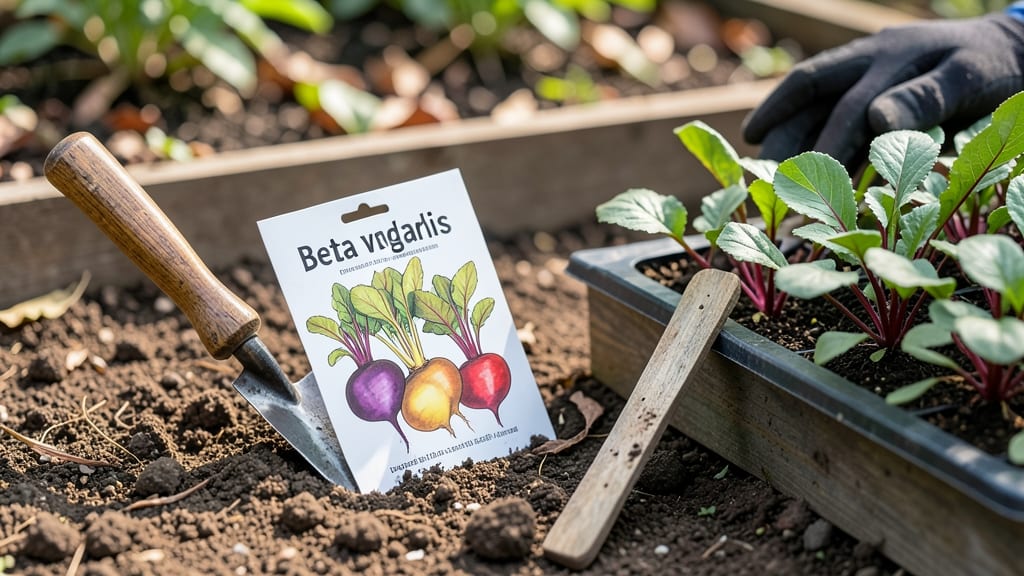
Timing your beet planting in Maryland isn't just about tossing seeds into the dirt—it's the difference between harvesting sweet, tender 🍠 roots and ending up with tough, bitter ones.
With Maryland's 7a-7b climate, getting the window right means starting beets March 15 to April 30 for spring or September 1 to October 15 for fall, when soil temps hit that perfect 50°F sweet spot.
Here's the thing: Plant too early, and frost will nip your seedlings before they get going. Wait too long, and summer's heat will make your beets bolt or turn woody.
I've learned the hard way that Maryland's unpredictable spring weather demands patience—waiting for consistent 50°F soil temps is non-negotiable for success.
What you'll discover in this guide is exactly how to navigate Maryland's two planting seasons like a pro. We'll cover the ideal soil conditions, when to expect your first harvests, and how to stretch your beet season with smart succession planting strategies that work for our climate.
Whether you're a first-time gardener or a seasoned green thumb, these insights will help you grow beets that are sweeter, more abundant, and ready to harvest just when you need them—no guesswork required.
Maryland beet planting calendar: spring vs fall timing explained
Timing your beet planting in Maryland is all about avoiding the extremes—whether it’s late spring frosts or scorching summer heat. Beets thrive in cool weather and struggle when temperatures climb above 80°F.
Maryland’s USDA zones 7a-7b give us a narrow window to plant successfully, but with the right strategy, you can enjoy fresh beets from early summer through fall. The key is understanding your local frost dates and soil temperatures.
Maryland’s climate varies significantly between regions, from the cooler Eastern Shore to the warmer Western Mountains. Baltimore and the DC metro area fall somewhere in between, with last frost dates typically between mid-March and early April, and first frost arriving around mid-November.
This means your planting window is short but critical—get it wrong, and you’ll face either frost damage or woody, bitter beets.
For spring planting, aim to sow seeds 2-4 weeks before your last frost date. In most of Maryland, that means mid-March to early April. Fall planting should start 8-10 weeks before your first frost, landing you in early September.
But don’t just rely on dates—watch your soil temperature. Beets need soil that’s at least 50°F to germinate, and ideal temperatures hover around 60-70°F.
| Region | Spring Planting Window | Fall Planting Window | Soil Temp Threshold | Frost Risk |
|---|---|---|---|---|
| Baltimore/DC Metro | March 20 - April 15 | September 1 - September 15 | 50-60°F (min), 60-70°F (ideal) | Last frost: April 5; First frost: Nov 10 |
| Eastern Shore | March 15 - April 10 | August 25 - September 10 | 48-58°F (min), 58-68°F (ideal) | Last frost: April 1; First frost: Nov 5 |
| Western MD (Frederick, Hagerstown) | April 1 - April 20 | September 10 - September 25 | 52-62°F (min), 62-72°F (ideal) | Last frost: April 10; First frost: Nov 15 |
Spring planting is your best bet for a summer harvest. Start seeds indoors 4-6 weeks before your last frost to get a head start, or sow directly outdoors once soil temperatures stabilize. In Maryland, that’s usually late March to early April.
For a continuous harvest, make succession plantings every 2 weeks until mid-May. This ensures you’re always pulling fresh beets before the heat sets in.
Fall planting is trickier but rewarding. Beets sown in early September will mature before winter sets in, giving you a late fall harvest. Avoid planting too late—seeds sown after mid-September may not have time to mature before frost.
In cooler regions like the Eastern Shore, you can push it slightly later, but Western Maryland’s shorter season demands earlier starts.
One of Maryland’s biggest challenges is bolting, where beets send up flower stalks prematurely, making roots woody and bitter. This happens when days get too long or hot.
To prevent it, use shade cloth during peak summer heat or opt for bolting-resistant varieties like ‘Detroit Dark Red’ or ‘Golden Beet’. Fall plantings avoid this issue entirely since cooler temps keep beets happy.
Pro tip: Use mulch to regulate soil temperature and retain moisture. A 2-inch layer of straw or shredded leaves keeps roots cool in summer and insulated in winter.
This is especially helpful in Maryland’s humid summers, where soil can dry out quickly or stay too damp, both of which stress beets.
If you’re in a warmer microclimate, like a low-lying area or urban heat island, consider shade cloth or planting in partial shade during the hottest months. Even a 30% shade reduction can make a difference in preventing bolting.
For cooler areas, like higher elevations in Western Maryland, you might extend your fall planting into early October.
Finally, don’t forget to harvest before the first frost. Beets store well in the ground if covered with mulch, but they’ll start to degrade in quality once temperatures drop below 30°F.
Plan your fall planting so you’re harvesting by mid-November to avoid this. With the right timing, you can enjoy homegrown beets for nearly half the year!
5 Critical factors that determine beet planting success in Maryland
Maryland’s humid summers and variable frost dates make beet planting a delicate balance. To avoid bolting or woody roots, focus on these five factors that separate thriving harvests from disappointing ones.
I’ve learned the hard way—skipping soil prep or ignoring Maryland’s microclimates can turn your garden into a beet wasteland.
First, soil pH is non-negotiable. Beets thrive in 6.0–7.0 pH, but Maryland’s clay-heavy soils often skew alkaline. Test your soil before planting—amend with sulfur or peat moss if needed. I once planted beets in unamended soil and ended up with stunted, purple-tinged roots—a clear sign of pH stress.
Next, moisture consistency is key. Beets need 1–1.5 inches of water weekly, but Maryland’s summer humidity can trick you into overwatering. Use drip irrigation or soaker hoses to keep roots evenly moist without soggy soil.
I lost an entire row last summer when I relied on rainwater—turns out, Maryland’s afternoon thunderstorms aren’t enough for thirsty beet seedlings.
- ✅ Test soil pH (aim for 6.0–7.0); amend with compost or sulfur if needed.
- ✅ Choose bolt-resistant varieties like 'Detroit Dark Red' or 'Golden' for Maryland’s heat.
- ✅ Plant in loose, well-draining soil—avoid compacted clay by adding organic matter.
- ✅ Space seeds 1 inch apart, thin to 3–4 inches when seedlings are 2–3 inches tall.
- ✅ Use shade cloth in summer to prevent bolting from Maryland’s 90°F+ days.
- ✅ Mulch with straw to retain moisture and suppress weeds—critical in Maryland’s humid climate.
Don’t overlook succession planting, a game-changer for Maryland gardens. Instead of one massive planting, sow every 2–3 weeks from March to May and September to October. This ensures a steady harvest and avoids the bolting trap of Maryland’s late-spring heat waves.
I now plant three succession batches in spring alone—my summer beet supply never runs dry!
Maryland’s humidity is a double-edged sword. While it keeps soil moist, it also speeds up bolting when temperatures rise. To combat this, I plant heat-tolerant varieties and use 30% shade cloth during June and July.
Even then, watch for flower stalks—if you see them, harvest immediately or pull the plant to avoid bitter, woody roots.
Lastly, microclimate matters. Coastal areas like Annapolis have milder winters, while Western Maryland faces earlier frosts. Adjust your planting timeline: Eastern Shore gardeners can start 2 weeks earlier than those in Frederick County.
I’ve mapped my garden’s sun exposure and frost pockets—now I know exactly where to plant for maximum success.
Master these five factors, and you’ll go from frustrated gardener to beet harvest pro in Maryland. Start with soil prep, time your plantings, and watch your garden thrive—no more bolting disasters or stunted roots! 🌱