
Plants
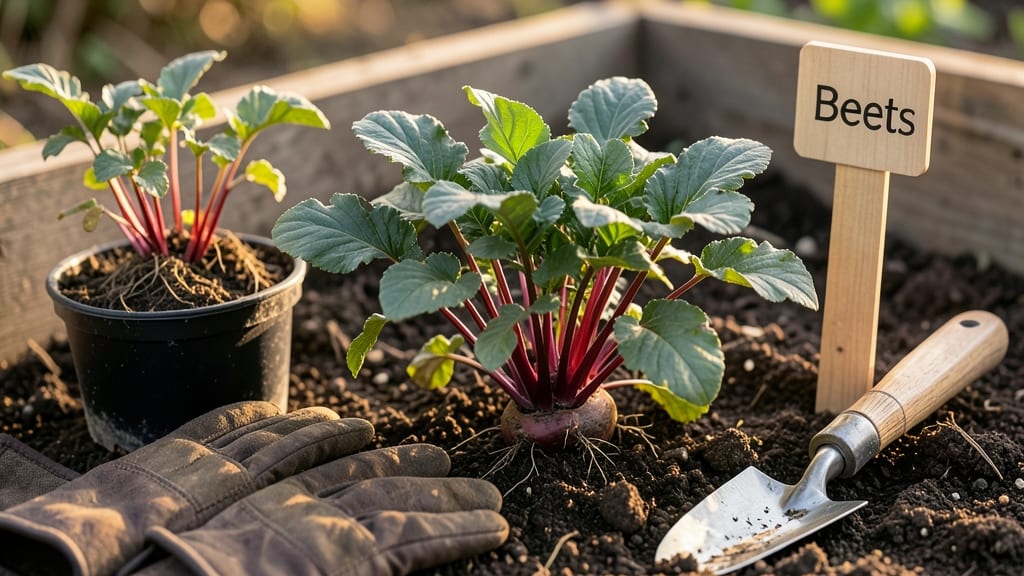
Planting beets at the wrong time in South Carolina can turn your sweet harvest into tough, bitter roots—so timing is the key to success with 🍠. The secret lies in understanding your USDA Zone 7b-8a frost dates and soil temperatures, which can make or break your beet crop.
Most gardeners in South Carolina know the ideal window is early spring or late summer, but exact timing matters more than you think. Plant too early, and frost will damage seedlings; too late, and summer heat can cause bolting.
I’ll break down the perfect frost-free timeline so you can grow the sweetest, tender beets your garden has ever seen.
Whether you’re a first-time gardener or a seasoned pro, knowing when to plant beets in South Carolina means fewer mistakes and more harvests. Let’s dive into the best months, soil prep tips, and even how to adjust for coastal vs. inland differences.
By the end, you’ll have a clear plan to plant beets at the right time—so you can enjoy fresh, homegrown roots from June through November. Ready to get started?
South Carolina beet planting timeline by frost Zone: best months for sweetest roots
South Carolina’s USDA Zones 7b and 8a offer two prime windows for growing sweet, tender beets: early spring and late summer. Unlike northern climates, our mild winters let us plant beets as early as February and as late as October—if you time it right.
The key? Soil temperatures between 50°F and 75°F, which prevent bolting (flowering) and ensure juicy roots.
Beets are cool-season crops, meaning they thrive in 60°F-70°F soil but bolt when temperatures creep above 80°F. In SC’s humid climate, this means spring plantings must happen before April, while fall plantings should start by late August.
Miss these windows, and you’ll end up with woody, bitter roots instead of the sweet harvests you crave.
Direct sowing is the gold standard for beets—transplants struggle with root shock and often produce smaller, misshapen roots. But if you’re using transplants, harden them off for 7-10 days before setting them out. For direct sowing, aim for 1/2-inch deep and 1-inch apart, then thin to 3-4 inches when seedlings hit 2 inches tall.
| Planting Window | Soil Temp | Frost Risk | Best Varieties | Harvest Time |
|---|---|---|---|---|
| Early March–Early April | 50°F–65°F | Low (after last frost) | Detroit Dark Red, Chioggia | June–July |
| Late August–Early September | 60°F–75°F | Moderate (before first frost) | Golden, Baby Beet | October–November |
| Winter (Nov–Jan) | 40°F–55°F | High (use row covers) | Cold-hardy varieties only | March–April |
✅ Pro Tip: Test soil temp with a soil thermometer—beets won’t germinate below 50°F.
For spring plantings, start seeds indoors 4-6 weeks before your last frost date (typically mid-March in Zone 7b/8a). If you’re sowing directly, cover seeds with row fabric until sprouts appear (7-14 days). Once seedlings emerge, remove fabric and keep soil moist but not soggy—overwatering causes rot.
In summer’s heat, beets struggle to germinate if soil temps exceed 80°F.
To beat the heat, plant in partial shade (like under a 30% shade cloth) or use drip irrigation to keep roots cool. Succession plant every 2 weeks in spring/fall for a continuous harvest—just stop by July 1st to avoid bolting.
Don’t overlook fall plantings! Beets sown in late August will mature just before winter sets in, giving you sweet roots in October-November. Use black plastic mulch to warm soil early and row covers to extend the season.
For winter harvests, plant hardy varieties like Detroit Dark Red in November and protect with straw mulch.
Adjust for coastal vs. inland SC: Coastal areas (like Charleston) have longer frost-free seasons—you can plant up to 2 weeks later than inland zones (e.g., Columbia). Monitor local frost dates via SC Extension Service and adjust your timeline accordingly.
If you’re new to beet growing, start with baby beet varieties like ’Baby Keeper’—they mature in 45 days and are less prone to bolting. For maincrop beets, ’Chioggia’ (striped) and ’Golden’ (sweet) are top picks for SC’s climate.
Remember: Sweetness peaks when roots grow slowly. In hot summers, shade cloth + consistent watering = tender, sweet beets. Skip these steps, and you
5 Pro tips to extend beet growing season in South Carolina’s humid climate
South Carolina’s humid summers and hot afternoons can turn sweet beets into tough, stringy messes if you don’t act fast. The key is controlling heat stress and preventing bolting while keeping pests at bay.
I’ve grown beets here for years, and these tricks have kept my harvests consistently sweet from spring through fall.
First, shade cloth is your best friend during peak summer months. A 30-50% shade cloth blocks just enough sunlight to prevent bolting while still allowing growth. I drape mine over my beet beds from June through August, and it’s made all the difference for my Detroit Dark Red variety.
⚠️ numbered-highlights ⚠️
Next up is mulching. I swear by a 4-inch layer of straw around my beet plants. It keeps the soil cool and moist, which is crucial in our 90°F+ afternoons.
Plus, it suppresses weeds that compete with your beets for nutrients. For extra insurance, I add a thin layer of compost underneath the mulch to feed the roots slowly.
Don’t underestimate the power of companion planting. I always interplant my beets with lettuce or radishes. The lettuce provides light shade for the beet greens, while the radishes act as trap crops for leaf miners.
It’s a win-win! Just make sure to harvest the radishes first—they mature faster and won’t compete for space.
Timing your harvest is just as important as planting. Beets left too long in the ground turn woody and lose their sweetness. I aim to harvest mine when they’re 1-2 inches in diameter—this ensures maximum tenderness.
For Chioggia bearts, I wait until the rings are clearly visible, but never let them grow beyond 3 inches.
Finally, a don’t do this warning: overwatering is the fastest way to ruin your beet crop. Too much moisture leads to root rot and attracts pests like slugs. Water deeply once a week instead of daily shallow watering.
Let the top inch of soil dry out between waterings, and always water in the early morning to prevent fungal issues.