
Plants
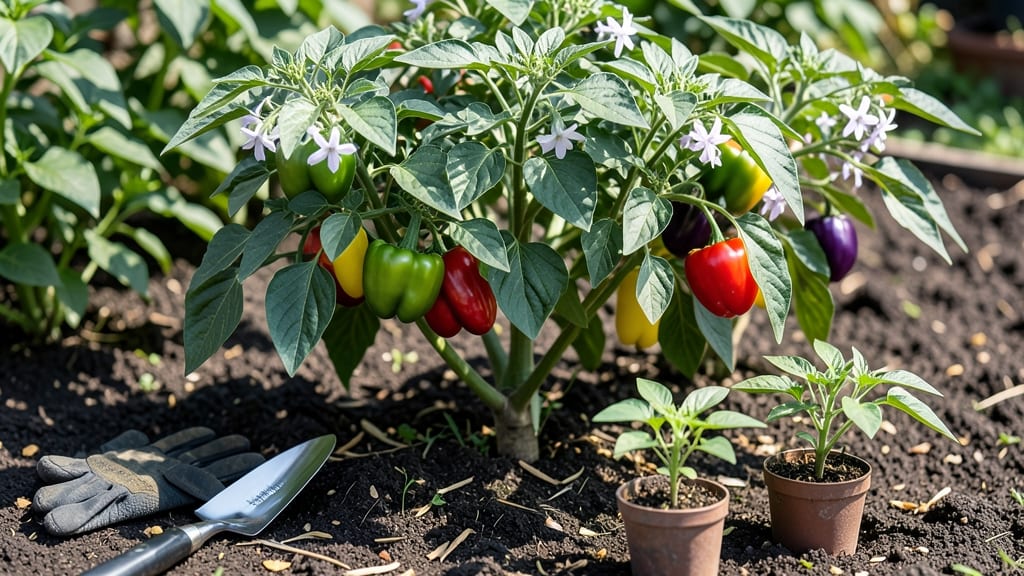
Planting bell peppers 🌶️ in Washington State at the wrong time can mean the difference between a thriving harvest and a sad, frost-nipped garden.
The key to success lies in understanding your specific zone—whether you're in Seattle's milder coastal climate or Spokane's cooler inland areas—because those last frost dates vary dramatically across the state.
Most Washington gardeners should wait until mid-April to early June to plant bell peppers outdoors, but timing depends on your microclimate. In Zone 6b (like Eastern WA), you might need to wait until late May, while coastal areas can start earlier.
The secret? Soil temperature matters just as much as air temperature—bell peppers need at least 60°F to thrive.
If you're starting seeds indoors, begin 8-10 weeks before your last frost date to give seedlings a head start. For direct sowing, transplant hardened-off seedlings after all frost risk has passed. This might mean waiting until June in some high-desert areas where cold snaps linger longer.
Don't make the mistake of rushing—planting too early can stunt growth, while waiting too long might cut your harvest short. I'll show you exactly how to time it right for your corner of Washington, so you can enjoy homegrown peppers from July through October without the guesswork.
Washington State planting Zones & exact bell pepper deadlines by region
Washington State spans USDA Zones 5-8, but bell peppers (Capsicum annuum) thrive best in Zones 6b-8a, where warm summers and long daylight hours create ideal conditions.
The last frost dates vary dramatically—from late April in Seattle to early May in Spokane—so timing your transplanting window is critical. Plant too early, and frost will kill tender seedlings; wait too long, and your harvest shrinks.
Let’s break down the exact deadlines for indoor starts and direct sowing by region.
Most of Washington’s bell pepper varieties (like 'California Wonder' or 'Jupiter') need 70-90 days to mature. This means you’ll need to start seeds indoors 8-10 weeks before your last frost date or buy transplants ready to go by early May.
Coastal areas like Olympia and Bellingham have later frost risks, while high-desert regions (Yakima, Wenatchee) can plant earlier due to warmer days and cooler nights. Microclimates—like urban heat islands or sheltered valleys—can shift your deadlines by 1-2 weeks, so always check local records.
Here’s your region-specific planting timeline for bell peppers in Washington, including soil temperature requirements (minimum 60°F) and transplanting windows:
| Region | USDA Zone | Last Frost Date | Indoor Start (Seeds) | Transplant Outdoors | Direct Sow Window |
|---|---|---|---|---|---|
| Seattle & Western WA (Coastal) | 8a-8b | Late April | March 15 - April 1 | May 15 - June 1 | June 1 - 15 |
| Spokane & Eastern WA (Inland) | 6b-7a | Early May | February 15 - March 1 | April 20 - May 10 | May 15 - 31 |
| Yakima & High Desert | 7a-7b | Mid-April | February 1 - 15 | April 1 - 15 | April 20 - May 10 |
| Coastal (Olympia, Bellingham) | 8b-9a | Late April - Early May | March 1 - 15 | May 20 - June 1 | June 1 - 15 |
For indoor starts, use grow lights to provide 12-16 hours of light daily until seedlings are 3-4 inches tall. Harden them off for 7-10 days before transplanting by placing them outside for 2-3 hours daily, gradually increasing exposure.
If you’re direct sowing, wait until soil temperatures consistently reach 60°F+—use a soil thermometer to confirm. In cooler zones (like Spokane), opt for early-maturing varieties (e.g., 'Sweet Banana' at 60 days) to maximize your harvest window.
Microclimates can drastically alter these deadlines. Urban areas like Seattle’s downtown may see 2-3°F warmer nights than suburbs, allowing earlier planting. Conversely, valleys and low-lying areas (e.g., Skagit Valley) often experience late-spring frosts even after official deadlines.
To hedge your bets, use row covers or black plastic mulch to warm soil faster.
How to extend your bell pepper growing season in Washington’s cool climate
Washington’s short growing season can leave you with fewer bell peppers than you’d hoped for—but don’t let cool temperatures limit your harvest. The secret to extending your pepper season lies in protective strategies and smart variety choices.
By using row covers, cold frames, and heat-tolerant varieties, you can push harvests well into October or even later in milder microclimates.
One of the easiest ways to extend your season is by choosing late-maturing hybrids like 'Carmen' or 'Jupiter', which thrive in cooler temperatures compared to traditional varieties. These peppers are bred to handle Washington’s 50-70°F daytime highs better than standard types, giving you a longer window for fruit development.
Row covers are a game-changer for early and late-season protection. Lightweight fabric like Reemay can raise soil temperatures by 5-10°F while shielding plants from late-spring frosts or early-fall chills. Simply drape the cover over hoops or stakes and secure the edges to keep pests out while trapping warmth.
For even more control, cold frames create a microclimate that can extend the season by 4-6 weeks. These low, glass-enclosed structures protect plants from frost while allowing sunlight to penetrate.
Place them in a south-facing location to maximize warmth, and remove the lid during the day when temperatures rise above 70°F to prevent overheating.
Row Covers vs. Cold Frames for Bell Peppers
Row Covers
- Pros: Affordable, easy to install, portable
- Cons: Limited height, requires staking, less insulation
Cold Frames
- Pros: Better insulation, extends season longer, protects from wind
- Cons: More expensive, less portable, requires ventilation
Best for: Row covers = early starts/late finishes | Cold frames = year-round microclimates
Succession planting is another clever trick to maximize your harvest. Instead of planting all your seeds at once, stagger them every 2-3 weeks from mid-April to early June. This ensures a continuous supply of peppers as older plants mature and new ones take their place. For example, plant a batch in late April, another in early May, and a final one in late May—this way, you’ll have peppers ripening through September and October.
If you’re dealing with Zone 5 or high-desert areas, consider starting seeds indoors under grow lights 10-12 weeks before your last frost date. Transplant these early starts into the garden as soon as soil temperatures hit 60°F, using black plastic mulch to warm the soil faster.
This head start can add 3-4 weeks to your growing season.
Don’t forget to harvest regularly to encourage more fruit production. The more peppers you pick, the more your plants will focus on producing new ones. And if frost threatens in late summer, cover your plants with row covers or blankets to protect them until temperatures rise again.
With these strategies, you can enjoy homegrown bell peppers well beyond the typical September cutoff.