
Plants
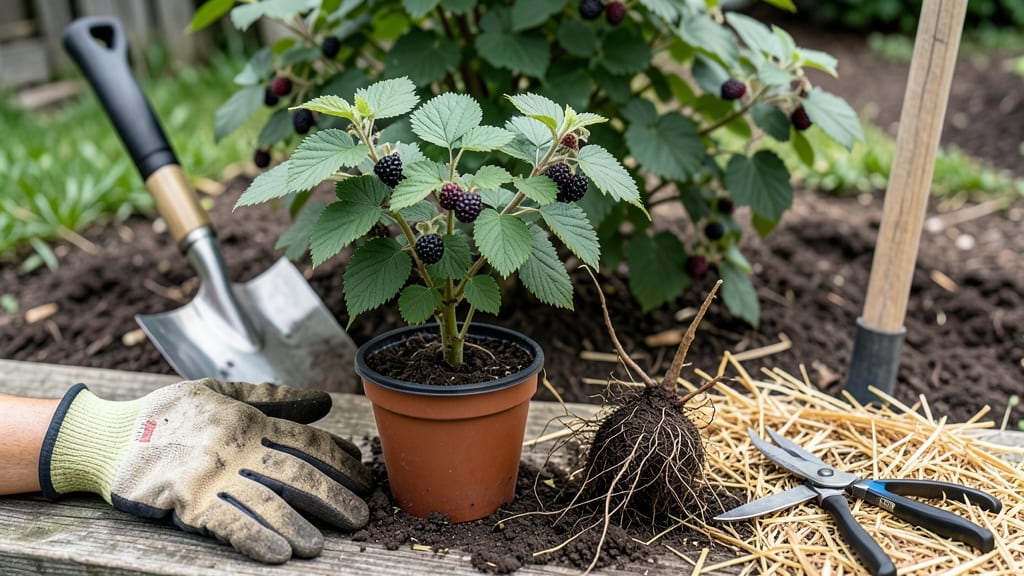
Planting blackberries in North Carolina isn’t just about timing—it’s about matching your variety to the chill hours your region actually delivers. Get it wrong, and you’ll end up with bitter fruit or bushes that struggle to survive the winter, no matter how much you water them.
I’ve seen gardeners in the Piedmont rush to plant in early spring, only to watch their blackberries 🌱 fail because they didn’t account for the 300-500 extra chill hours the mountains provide compared to the coast.
The key? Knowing whether your blackberry needs high chill hours (like 'Natchez') or can thrive with low chill hours (like 'Arapaho').
In this guide, I’ll break down the exact months to plant in NC—whether you’re in the cooler Appalachians or the warmer Coastal Plain—plus how to prep your soil and avoid common mistakes that waste years of effort. No more guesswork, just sweet, plentiful berries by summer.
Ready to turn your blackberry patch into a productive powerhouse? Let’s dive into the perfect planting schedule for your NC zone and the varieties that will reward you with the best flavor.
Best planting times for blackberries in NC by chill-hour requirements
North Carolina’s diverse climate zones—from the Coastal Plain to the Mountains—create unique challenges for blackberry growers.
The key to success lies in matching your variety’s chill-hour needs with your region’s winter conditions. High-chill varieties (450-1000 hours) thrive in the cooler mountain zones, while low-chill types (0-350 hours) suit the milder Piedmont and Coastal areas.
Timing matters just as much as variety selection. Planting too early in fall risks frost damage, while waiting too long in spring may delay fruit production. My experience shows that late winter to early spring (February-March) is ideal for most NC regions, but your microclimate dictates the exact window.
Chill hours measure the number of hours below 45°F (7°C) a plant needs to break dormancy and produce fruit. NC’s Piedmont region typically accumulates 400-600 chill hours, while the Mountains can reach 800-1000 hours. The Coastal Plain often falls short at 200-400 hours, making low-chill varieties essential.
| NC Region | Avg. Chill Hours | Best Planting Window | Recommended Varieties | Key Consideration |
|---|---|---|---|---|
| Coastal Plain | 200-400 hrs | Feb-Mar (bare-root) or Oct-Nov (established plants) | 'Arapaho', 'Onyx' | Avoid late frosts; use row covers |
| Piedmont | 400-600 hrs | Feb-Apr (bare-root) or Oct-Dec (established) | 'Natchez', 'Triple Crown' | Watch for late spring frosts |
| Mountains | 800-1000 hrs | Mar-Apr (bare-root) or Oct-Nov (established) | 'Chester', 'Black Satin' | Soil drainage critical; mulch heavily |
For bare-root plants, I recommend planting in late winter (February-March) when soil temperatures rise above 50°F (10°C). This gives roots time to establish before summer heat arrives. In established plants, fall planting (October-November) allows roots to settle before winter dormancy.
NC’s late frosts (common in March) can devastate new growth. To protect your investment, plant high-chill varieties in sheltered locations or use frost cloth during critical periods. My garden’s Triple Crown bushes in the Piedmont thrive when planted in February with a protective mulch layer.
Soil preparation is equally critical. Work in 2-3 inches of compost and ensure proper drainage, especially in Coastal Plain areas where waterlogging occurs. A pH of 5.5-6.5 maximizes nutrient uptake for blackberry bushes.
Container growing extends options for low-chill varieties in cooler microclimates. Use 5-gallon pots with drainage holes and move containers to protected locations during winter. This method works well for 'Onyx' in the Coastal Plain, where chill hours are limited.
Monitor your region’s chill-hour accumulation using local weather stations or university extensions like NC State’s Plant Toolbox. Adjust planting times if winters are unusually mild or severe. Flexibility is key—spring planting can work if soil conditions are right.
Remember, blackberries are perennial, so proper planting pays dividends for years. With the right variety, timing, and location, you’ll enjoy juicy, flavorful fruit for a decade or more. Start with the right chill-hour match, and your blackberry patch will thrive! 🌱
Top 5 blackberry varieties for NC gardens and their planting zones
Choosing the right blackberry variety for your North Carolina garden depends on your USDA zone and chill-hour requirements. NC’s diverse climate—from the Coastal Plain to the Mountains—means some varieties thrive where others fail.
I’ve selected five top performers that balance cold hardiness, disease resistance, and flavor, ensuring sweet fruit even in NC’s humid summers.
Each variety matches NC’s 300-1000 chill hours, with planting windows tailored to avoid late frosts or summer heat stress. Whether you’re in Zone 7b (Piedmont) or Zone 8a (Coastal), these picks simplify your decision-making.
Below, you’ll find their ideal planting months, flavor profiles, and zone compatibility, plus a quick-reference chart to match your microclimate.
🌱 Key Tip: For bare-root plants, plant in late winter (Feb-March) when soil is workable but before buds swell. Container-grown bushes can go in until early April to avoid spring heat stress.
🌿 Why These Varieties? Natchez and Arapaho dominate NC’s Piedmont and Mountains due to their moderate chill needs and disease resistance. Meanwhile, Triple Crown and Ouachita shine in Coastal NC