
Plants
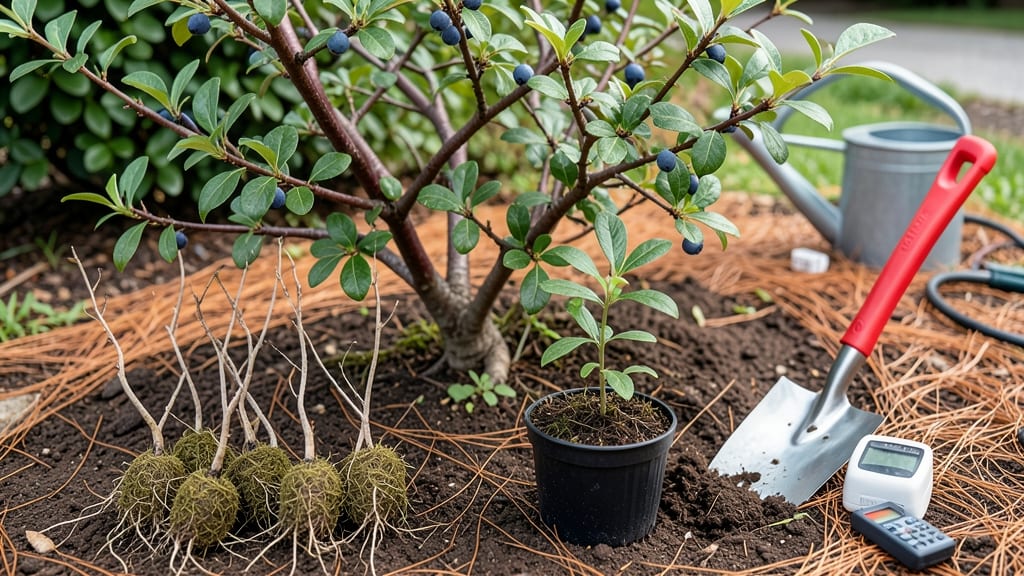
If you’ve ever dreamed of picking fresh, juicy 🫐 blueberries straight from your Mississippi garden, timing is the secret ingredient—plant them too early, and you risk heat stress; too late, and your bushes may not get the chill hours they need to fruit.
The key lies in understanding Mississippi’s unique climate zones and variety-specific needs, where late winter to early spring emerges as the sweet spot for thriving bushes.
Mississippi’s warm winters (USDA zones 8a-9a) mean blueberries thrive here, but they still need a balance of cool dormancy and warm growing seasons. Whether you’re planting Southern-highbush, rabbiteye, or half-high varieties, the ideal window is February through March, aligning with soil workability and avoiding summer heat.
I’ll break down exactly how chill-hour requirements shape your choices—and why some varieties outperform others in Mississippi’s heat.
Beyond the calendar, soil prep and microclimates play a huge role. Sandy loam in the Delta demands different care than clay soils in North Mississippi, and container gardening adds another layer.
You’ll discover how to adjust planting times for humidity, drought, and even late frosts—plus the 3 most reliable varieties for Mississippi gardens and how to keep them productive year after year.
Ready to turn your backyard into a blueberry oasis? Let’s dive into the science-backed strategies that’ll have you harvesting sweet, plump berries by May or June—without the guesswork. Your taste buds (and your neighbors) will thank you.
Best planting months in Mississippi by blueberry variety and chill-hours
Mississippi’s blueberry bushes thrive when planted during cooler months, but the perfect timing depends on your variety and chill-hour needs. Southern-highbush varieties need just 200–400 chill hours, while rabbiteye types require 600–900+ hours. North Mississippi’s cooler climate suits rabbiteye, while the Delta’s warmer zones favor Southern-highbush.
For optimal root establishment, aim for late winter to early spring (February–March) when soil is workable but frost risks have passed. Fall planting (October–November) works for bare-root plants, but avoid late fall—freezing soil can stunt growth. Always check your USDA Zone (8a–9a) for precise timing.
Chill hours are critical—Southern-highbush varieties like ‘Premier’ need 200–400 hours, while rabbiteye like ‘Tifblue’ demand 600–900+ hours. In North Mississippi, chill hours are plentiful, but the Delta’s warmer microclimates may struggle with high-chill varieties. Adjust by choosing low-chill varieties or using shade cloth in summer.
In North Mississippi, where winter chill hours are abundant, rabbiteye varieties like ‘Climax’ or ‘Tifblue’ flourish when planted in late winter (February–March). These bushes need 600–900 chill hours, so avoid fall planting—they’ll struggle to dormant properly in warmer microclimates.
For container gardening, use half-high varieties like ‘Top Hat’ (400–600 hours) and plant in spring to avoid root stress.
For the Mississippi Delta, where summers are long and hot, Southern-highbush varieties like ‘Premier’ or ‘Southern Belle’ (200–400 hours) are your best bet. Plant in early spring (March) to give roots time to establish before summer heat.
If you must plant in fall (October), choose bare-root plants and protect them with mulch to insulate roots.
Microclimates matter—even within Mississippi! A sheltered backyard in the Delta might stay 5°F warmer than an open field, affecting chill-hour accumulation. Use shade cloth in summer to reduce heat stress on newly planted bushes. For urban gardens, consider dwarf varieties like ‘Peach Sorbet’ (300–500 hours), which adapt better to limited space and warmer pockets.
Always test your soil pH (aim for 4.5–5.5peat moss or sulfur if needed. Acidic soil is non-negotiable for blueberries—lime or wood ash will ruin your harvest. After planting, water deeply (1–2 gallons per plant) and mulch heavily (3–4 inches) to retain moisture and regulate soil temperature.
Mississippi’s last frost date varies—North MS averages February 15, while the Delta can see frost as late as March 1. Plant 6–8 weeks before your last frost to avoid early-season heat stress.
If you miss the window, wait until fall (October), but avoid planting after November 15—dormant roots won’t tolerate freezing soil.
Pro tip: Label your plants with variety names and planting dates to track chill-hour exposure. If you’re unsure about your local chill hours, check with your county extension office—they’ll have microclimate data tailored to your area. With the right timing and variety
How to adjust planting time for Mississippi’s unique climate challenges
Mississippi’s hot summers and humid climate can stress blueberry bushes if planted at the wrong time. The key is to avoid summer planting when temperatures exceed 90°F, which causes transplant shock.
Instead, focus on fall or early spring when soil temperatures are cooler and moisture levels are stable. This timing helps roots establish before extreme heat sets in.
For late spring planting, choose varieties with low chill-hour requirements (like 'Tifblue') and plant in March or early April to give bushes time to root before summer. In North Mississippi, cooler microclimates allow slightly later planting, while the Delta region demands earlier adjustments due to faster soil warming.
⚠️ Common Mistake: Planting During Summer Heat
Planting blueberries in June or July leads to transplant shock and poor root growth. High temperatures cause moisture loss and heat stress, reducing survival rates by up to 70%. Always aim for fall (Oct-Nov) or early spring (Feb-Mar) for best results.
To extend the growing season for late-planted bushes, use shade cloth (30-50%) during peak afternoon heat. This reduces soil temperature by 10-15°F and protects young plants. Pair this with drip irrigation set to water early morning to maintain consistent moisture without fungal risks.
Mulching with pine bark or wood chips is another critical adjustment. A 3-inch layer retains moisture, regulates soil temperature, and suppresses weeds. For container-grown blueberries, use acidic potting mix and water every 5-7 days—containers dry out faster in Mississippi’s heat.
If you must plant in late spring, select dwarf varieties like 'Peach Sorbet' (3-4 ft tall) for faster establishment. These mature quicker and handle heat better than standard bushes. Always water deeply at planting and monitor for wilting signs—a clear indicator of stress.
For extended harvest seasons, stagger planting by 2-3 weeks between early and late varieties. This spreads fruit production and reduces pressure on the plant during peak summer heat. Combine with regular pruning to improve airflow and reduce humidity-related diseases.