
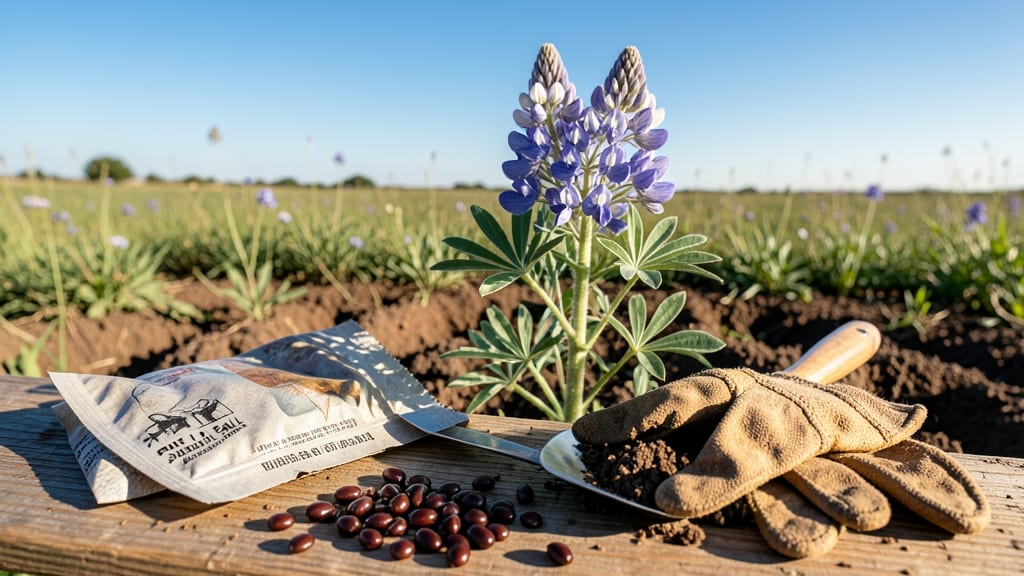
When to Plant Bluebonnet Seeds in Central Texas: Exact Months for Zero-Frost Survival

Plants

When to Plant Bluebonnet Seeds in Central Texas: Exact Months for Zero-Frost Survival

Planting bluebonnet seeds at the wrong time in Central Texas means waiting years—or even decades—for those stunning 🌸 bluebonnet blooms to appear.

The key to success isn’t just throwing seeds into the ground; it’s planting them during the perfect fall window when temperatures drop just enough to trigger germination without risking a premature frost.

If you’ve ever watched fields of bluebonnets bloom in spring and wondered how to recreate that magic in your own yard, timing is everything. Central Texas’s Zone 8a climate gives you a narrow but critical window—typically between late September and November—to get those seeds in the ground.

Miss this window, and you might end up with sparse blooms or no blooms at all.

I’ve spent years perfecting the timing for bluebonnets in Central Texas, and what I’m about to share will help you avoid the most common mistakes.

Whether you’re a first-time gardener or a seasoned pro, these insights will ensure your bluebonnets thrive and transform your landscape into a vibrant sea of blue come spring.

Let’s dive into the exact months and seasonal cues you need to follow for zero-frost survival and the most stunning bluebonnet displays. Your future spring meadow starts with the right planting decisions today.

🌸 When to Plant Bluebonnet
Jan ❄️
Feb ❄️
Mar 🌱
Apr 🌱
May 🌸
Jun ☀️
Jul ☀️
Aug 🌱
Sep 🌸
Oct 🌸
Nov 🌸
Dec 🌱
Ideal Time
Also Good

Best months to plant bluebonnet seeds in Central Texas for maximum blooms

Central Texas gardeners know that bluebonnets are the state flower for a reason—they paint our roadsides with vibrant blue carpets every spring. But if you plant them at the wrong time, you might wait years before seeing those iconic blooms.

The key to success lies in understanding Central Texas's frost patterns and aligning your planting schedule with nature's cues.

Bluebonnets thrive when planted during fall, specifically between late September and November. This timing allows seeds to undergo natural cold stratification, a process where cold temperatures break seed dormancy.

Planting too early or too late can lead to poor germination or frost damage, especially since Central Texas experiences its first frost around December 1 on average.

Here’s the critical window for planting bluebonnet seeds in Central Texas, broken down by month and key factors to consider:

Month Ideal Planting Time Key Conditions Frost Risk Success Rate
Late August Early planting (risky) Hot soil, minimal cold stratification Low (but seeds may not germinate well) Low (50%)
September Best for early blooms Warm days, cooling nights Moderate (first frost Dec 1) High (85%)
October Optimal timing Cooler temps, ideal stratification Low (frost unlikely) Very High (95%)
November Late planting (still effective) Chilly nights, minimal rain High (frost possible) High (80%)
December Too late (risk of frost) Cold soil, frost likely Very High Low (30%)
Spring (March)

How to prepare bluebonnet seeds for Central Texas soil and climate

Bluebonnet seeds thrive in Central Texas’s unique climate, but they need the right preparation to break dormancy and establish strong roots. The key is mimicking their natural germination process, which relies on cold stratification and well-draining soil.

Without these steps, your seeds may never sprout—or they’ll produce weak, spindly plants that struggle to bloom.

First, I always start by ensuring my seeds have undergone scarification, a process that mimics natural wear and tear from wind and rain. This breaks the hard seed coat so moisture can penetrate.

You can do this by gently rubbing seeds between two layers of sandpaper or placing them in a hot water bath for 24 hours. This step is non-negotiable for Central Texas’s dry climate, where seeds often fail to germinate without it.

Next, test your soil’s pH level—bluebonnets prefer slightly acidic to neutral soil, ideally between 6.0 and 7.5.

Central Texas soil tends to be alkaline, so you may need to amend it with peat moss or sulfur to lower the pH. I recommend testing your soil with a simple home pH kit before planting; adjusting pH after seeds are in the ground can harm their delicate roots.

⚠️ WARNING: Common Mistake Alert! ⚠️ Many gardeners overlook the critical timing for soil prep. Planting bluebonnet seeds in Central Texas after November 15th risks exposure to early frosts, which can kill emerging seedlings. Even if your seeds are prepped perfectly, frost-sensitive sprouts won’t survive temperatures below 32°F.

Aim to have your soil ready and seeds planted by mid-November at the latest, especially in areas like Austin where frosts can hit as early as December.

For optimal growth, pair bluebonnets with companion plants that improve soil health and deter pests. I’ve had the best success with wildflowers like black-eyed Susans or native grasses, which attract pollinators and suppress weeds.

Avoid planting near aggressive grasses like Bermuda, which can choke out young bluebonnet seedlings. A light layer of mulch (like straw) after planting helps retain moisture and regulate soil temperature during Central Texas’s unpredictable winters.

Finally, resist the urge to overwater. Bluebonnets are drought-tolerant once established, but newly planted seeds need consistent moisture to germinate. Water lightly every 3-4 days until sprouts appear, then taper off to avoid fungal diseases.

Overwatering is a top killer of young bluebonnets—soak the soil deeply but infrequently, and always water in the early morning to prevent fungal growth.

With these steps, your bluebonnet seeds will have the best chance to thrive in Central Texas’s challenging soil and climate. The payoff? A stunning spring display of 🌸 bluebonnets that’ll make your neighbors green with envy.

★★★★★4.7(4 reviews)
Categories Plants