
Plants
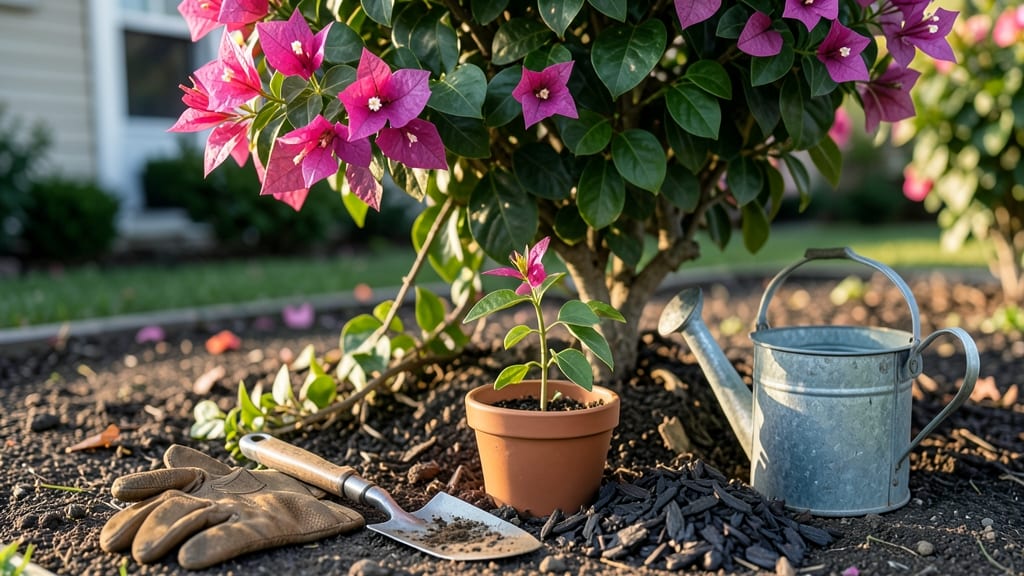
Planting bougainvillea in Arizona might seem tricky with its extreme heat, but timing it right is the key to vibrant, year-round blooms.
The best window to plant your 🌸 bougainvillea is during the cooler months—January through March—when the soil is still workable but the scorching summer heat hasn’t set in yet.
Why does this matter? Because bougainvillea thrives in Arizona’s climate, but planting it at the wrong time can stunt growth or even kill your plant before it gets a chance to bloom.
In USDA Zone 9b, where most of Arizona falls, the ideal planting window aligns with the natural rhythm of the desert, giving your bougainvillea the best start.
I’ve learned the hard way that skipping this window can lead to stress on the plant, especially during the brutal summer months.
But when you plant at the right time, you’re setting the stage for a stunning display of color that lasts from spring through fall—sometimes even year-round in Arizona’s frost-free zones.
Ready to dive into the details? I’ll walk you through exactly what to do, from soil prep to post-planting care, so your bougainvillea not only survives but thrives in Arizona’s unique growing conditions.
Best months to plant bougainvillea in Arizona’s heat zones
Arizona’s USDA zones 9-11 offer perfect conditions for bougainvillea, but timing matters. Plant too early, and extreme summer heat can shock young roots. Too late, and winter chill in mountain regions may damage tender plants.
The ideal window balances cooler temperatures and established root growth before Arizona’s brutal summers arrive.
For low-desert areas (Phoenix, Tucson), aim for January through March when daytime highs stay below 85°F. In high-desert zones (Flagstaff, Prescott), extend planting until late April to avoid late-spring frosts. Container-grown bougainvillea gives you flexibility—plant anytime except during peak heat (June-August).
🌱
| Zone | Best Planting Months | Container Planting | In-Ground Planting | Avoid |
|---|---|---|---|---|
| 9b (Phoenix) | Jan-Mar | Year-round (move indoors winter) | Jan-Mar | June-Aug |
| 10a (Yuma) | Dec-Apr | Year-round | Dec-Apr | None (frost-free) |
| 7b (Flagstaff) | Apr-May | May-Jun | Apr-May | Nov-Mar |
| All Zones | Avoid frost | Use frost cloth | Wait for soil warmth | Extreme heat |
In USDA zone 9b (like Phoenix), January through March offers the perfect balance of cooler nights (50-60°F) and warming days (75-85°F). This gives roots time to establish before April’s heat surge.
For container planting, you can push boundaries—plant as late as April but use shade cloth during the hottest afternoon hours.
Mountain regions like Flagstaff (zone 7b) require patience. Wait until after last frost (mid-April) and plant afternoon-shade varieties if your yard gets harsh sun. Young bougainvillea can handle light frost down to 28°F, but prolonged cold below 25°F will kill it—so protect with burlap wraps if winter threatens.
Pro tip: Soil temperature matters more than calendar dates. Use a soil thermometer—bougainvillea roots need 65°F+ soil to thrive. In low-desert zones, this happens by mid-February, while mountain areas may need to wait until late April.
Amend heavy clay soil with gravel or sand to prevent root rot during Arizona’s intense summers.
For container-grown bougainvillea, you gain flexibility. Move pots indoors during winter months in cooler zones or use greenhouse setups to extend the growing season. Just ensure containers have drainage holes and use cactus/succulent mix for optimal drainage. Water deeply but infrequently—bougainvillea hates soggy roots.
🌿
After planting, focus on watering deeply once weekly for the first month to encourage root spread. Reduce to bi-weekly watering once established, as bougainvillea is drought-tolerant. Apply a balanced fertilizer (7-9-5) in March and June to boost blooms, but avoid high-nitrogen feeds—this promotes foliage over flowers.
Prune spent blooms regularly to encourage year-round color.
🌺
Remember: Bougainvillea thrives on neglect once established. The key to Arizona success is planting
How Arizona’s microclimates affect bougainvillea planting success
Arizona’s diverse microclimates create unique challenges and opportunities for growing bougainvillea. The low-desert regions like Phoenix enjoy year-round warmth, while high-desert areas like Flagstaff experience cooler nights and occasional frost. Understanding these differences ensures your bougainvillea thrives with vibrant blooms and minimal stress.
In Phoenix (USDA Zone 10-11), bougainvillea can be planted almost year-round, but the coolest months (January-March) offer ideal conditions. Meanwhile, Flagstaff (Zone 7-8) requires a shorter planting window to avoid frost damage. Let’s explore how to adapt your planting strategy to each microclimate for maximum success.
Comparison Table: Low-Desert (Phoenix) vs. High-Desert (Flagstaff) Bougainvillea Care
| Factor | Low-Desert (Phoenix) | High-Desert (Flagstaff) |
|---|---|---|
| Best Planting Time | January-March | April-May (after frost) |
| Soil Prep | Add cactus mix (50% sand) | Use compost-rich soil (30% organic matter) |
| Watering Frequency | Bi-weekly (deep soak) | Weekly (spring/summer) |
| Frost Protection | None needed | Cover with frost cloth (Nov-Mar) |
| Sunlight Needs | Full sun (6+ hours) | Full sun (6+ hours) |
| Growing Season | Year-round | May-October |
In Phoenix, focus on well-draining soil with added sand to mimic native desert conditions. Bougainvillea here thrives with minimal watering—just bi-weekly deep soaks during summer.
For Flagstaff, prioritize organic matter in soil to retain moisture during cooler months, and always plant after the last frost date (typically mid-April).
Transitional zones (e.g., Prescott or Sedona) require a hybrid approach: plant in late March, use mulch for insulation, and monitor for early frost. Container-grown bougainvillea offers flexibility—move pots indoors during winter in high-desert areas to extend the growing season.
Adjust your watering schedule based on elevation: low-desert plants need less frequent watering, while high-desert plants benefit from consistent moisture during their shorter growing season. Always water in the early morning to prevent fungal issues from evening humidity.
With these microclimate-specific adjustments, your bougainvillea will reward you with year-round color, whether you're in the scorching lowlands or the cooler highlands of Arizona. 🌸