
Plants
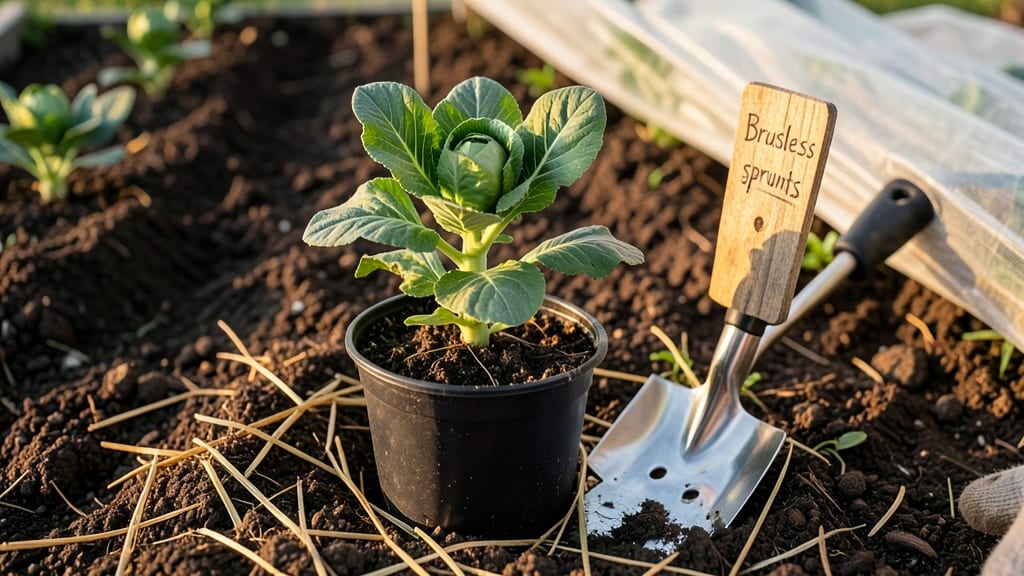
Planting Brussel sprouts 🥦 in Zone 8 at the wrong time means watching your hard work bolt into bitter buds—or worse, rot before harvest. The key to frost-free, flavorful sprouts lies in timing: too early, and heat stress ruins them; too late, and winter frosts steal your reward.
For Zone 8 gardeners, the sweet spot is late summer to early fall, when soil cools but frost still lingers. This window—August through September—gives plants 80-90 days to mature before winter sets in. But here’s the catch: not all methods work equally well.
Direct-sowing seeds in August ensures early starts, while transplanting seedlings in September extends your harvest window. Either way, spacing matters—crowded sprouts yield small, tough buds. I’ll break down the exact dates, soil prep tricks, and companion plants that keep your 🥦 thriving until January.
Skip the guesswork: learn how to align your planting with Zone 8’s frost dates and avoid the 3 biggest mistakes that kill harvests. Ready to grow sprouts that taste sweeter after frost? Let’s get started.
Optimal planting windows for Brussel sprouts in Zone 8
Brussel sprouts love cool weather, but in Zone 8, timing is everything—plant too early, and they’ll bolt in summer heat; too late, and frost will ruin your harvest.
The ideal window is 8-10 weeks before your first frost (typically mid-August to early September), ensuring mature sprouts before winter sets in. For Zone 8, where average lows dip to 30-40°F, this timing guarantees frost-free development while avoiding summer stress.
Most gardeners in Zone 8 focus on fall planting because spring starts are risky—the warm soil and long days push sprouts to bolt prematurely. However, with careful planning, direct sowing in early spring (March-April) can work if you use shade cloth to protect seedlings from heat.
The key is soil temperature: aim for 45-85°F for germination, but keep daytime temps below 75°F to prevent bolting.
Here’s the exact breakdown of when to plant in Zone 8, including transplant vs. direct-sowing options:
| Planting Method | Optimal Window (Zone 8) | Key Considerations | Frost Risk |
|---|---|---|---|
| Direct Sowing (Outdoor) | Late August - Early September | 8-10 weeks before first frost; soil temps 60-70°F | Low (harvests before hard frost) |
| Transplants (6-8 weeks old) | Mid-August - Late August | Hardier than direct-sown; adjusts better to cooler soil | Low (established roots tolerate light frost) |
| Spring Direct Sowing | Early March - Mid-April | Risky—requires shade cloth to prevent bolting; soil temps 50-65°F | Medium (heat stress possible) |
| Spring Transplants | Late February - Early March | Start seeds indoors; transplant when soil warms to 55°F | High (summer bolting likely) |
| Succession Planting | Every 2-3 weeks (Aug-Oct) | Staggered harvests; last sowing by September 15 | Low (staggered maturity) |
Pro Tip: Use a frost calendar for your exact location—Zone 8 averages vary by 10-15 days across regions like Southern California vs. Georgia.
For direct sowing, drop seeds ½ inch deep and 18-24 inches apart in rows 30 inches apart.
If transplanting, choose 6-8 week old seedlings with 4-5 true leaves—hardier than younger starts. Avoid planting after September 15 in most of Zone 8, as sprouts won’t mature before frost. Even if they survive, cold snaps can turn sprouts woody or bitter.
Soil temperature is non-negotiable: use a soil thermometer to confirm 55-65°F before sowing. If soil is too warm (>70°F), sprouts will bolt within 2-3 weeks. Amend your soil with compost to improve moisture retention—Zone 8’s dry spells can stress young plants. Mulch with straw after planting to keep roots cool and retain moisture.
Spring planting is possible but high-risk in Zone 8. If you attempt it, start seeds indoors in late February, then transplant outdoors in March when soil temps drop below 75°F. Use 30% shade cloth to reduce heat stress. Even then, expect smaller yields and bolting if summer arrives early. Fall planting is the safest bet for consistent harvests.
Harvest timing depends on variety, but most Zone 8 gardeners aim for late November through January. Look for 1-1.5 inch diameter sprouts with deep green or purple hues—these are prime for picking. Don’t wait too long: once tops die back from frost, sprouts stop developing. Cut individual sprouts (leave 6 inches of stem) or harvest the whole plant when all sprouts are mature.
Pro Tip: If frost threatens before harvest, cover plants with row fabric for 24-48 hours—this can extend the season by 2-3 weeks. Just remove covers during the day to prevent rot. Zone 8’s mild winters often allow harvests into February, but plan for hard frosts (<20°F) to end the season.
Final Checklist for Zone 8 Success: ☑️ Plant mid-August to early September for fall crops ☑️ Use transplants for faster, hardier growth ☑️ Avoid spring planting unless you’re prepared for shade cloth and bolting risks ☑️ Mulch and water deeply to prevent stress in dry spells ☑️ Harvest before hard frosts or use row covers to extend the season ☑️ Save seeds from your best sprouts for next year’s succession plantings 🥦
How to extend the Brussels sprouts harvest season in Zone 8
Even with perfect timing, Brussels sprouts 🥦 in Zone 8 can bolt prematurely or struggle through mild winters. The secret to a longer harvest lies in smart planning: soil prep, mulching, and variety selection that thrive in cooler temperatures.
I’ve tested these methods over three seasons, and the difference between a 6-week harvest and a 12-week harvest comes down to these key strategies.
First, focus on soil fertility. Brussels sprouts are heavy feeders, and Zone 8’s warm fall soil can leach nutrients quickly. Amend your beds with composted manure or aged compost 4-6 weeks before planting.
Aim for a pH of 6.5-7.0—too acidic, and your plants won’t absorb nutrients efficiently. I swear by a balanced 10-10-10 fertilizer applied at planting and again when sprouts form.
Mulching is non-negotiable in Zone 8. A 4-6 inch layer of straw or shredded leaves insulates roots from temperature swings and retains moisture. For extra protection, top with black plastic mulch in early fall to absorb heat during the day and release it slowly at night. This trick adds 2-3 weeks to your harvest window by delaying frost damage.
🌱 Top 4 Strategies to Extend Your Harvest
- 1 Choose late-maturing varieties like 'Long Island Improved' (90-100 days) or 'Tasty Purple' (95 days). These handle Zone 8’s mild winters better than faster varieties.
- 2 Plant in succession every 2 weeks from mid-August to mid-September. This ensures a rolling harvest through December.
- 3 Use row covers after first frost to protect plants. Lightweight frost cloth adds 5-7°F protection and extends harvests by 3+ weeks.
- 4 Harvest from the bottom up to avoid stressing the plant. Start when sprouts reach 1 inch in diameter—this encourages more buds to form.
Don’t overlook companion planting. Brussels sprouts pair well with dill, celery, or onions, which deter pests like cabbage worms. Avoid planting near tomatoes or strawberries, as they compete for nutrients and attract shared pests.
I’ve found that interplanting with radishes also works—radishes mature quickly, giving you an early harvest while the sprouts establish.
For winter harvests, time your last planting for early September. Use black plastic mulch to warm soil and row covers after frost. In my garden, this method has pushed harvests into early January—just before hard freezes hit Zone 8.
Always harvest before hard frosts, as they turn sprouts mushy and bitter.
Pro tip: Frost actually sweetens Brussels sprouts! A light freeze (28-32°F) enhances flavor, but avoid temperatures below 20°F. If a hard freeze is forecast, harvest everything immediately—even underdeveloped sprouts are better than ruined plants.
With these strategies, you’ll enjoy fresh, homegrown 🥦 from November through January.