
Plants
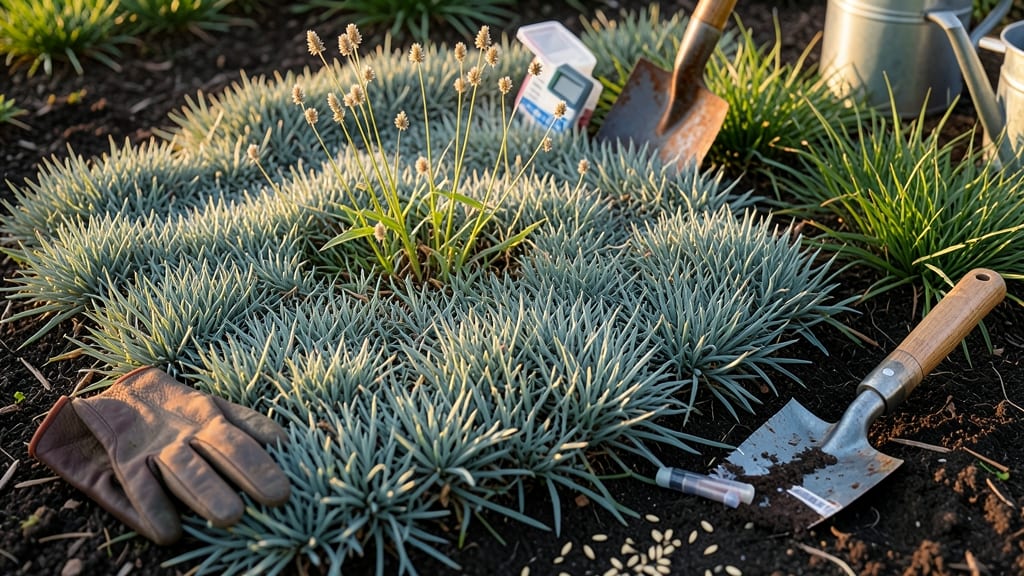
Planting buffalo grass at the wrong time in Kansas can mean the difference between a lush, drought-resistant lawn and a patchy, weed-infested mess.
The perfect window isn't what you might expect—late spring is actually the sweet spot, when soil warms up just enough to give those tiny seeds the best shot at survival before summer's brutal heat sets in.
If you've ever struggled with high water bills or spent hours battling weeds in your Kansas yard, buffalo grass 🌱 could be your game-changer. This native grass doesn't just survive—it thrives on less water and maintenance than traditional lawns.
But timing is everything, and getting it right means your grass will establish strong roots before winter hits, making it far more resilient than spring plantings.
Most gardeners focus on fall planting, but Kansas' 5b-7a climate zones actually favor late spring for buffalo grass.
We'll break down exactly when to plant in your specific region, how to prep your soil for maximum success, and why skipping the spring window could leave your lawn vulnerable to drought and weeds all summer long.
Ready to transform your yard into a low-maintenance oasis? Let's dive into the 5 critical steps that'll have your buffalo grass looking better than ever by next summer—without breaking the bank on water or fertilizer.
Best late spring planting windows for buffalo grass in Kansas (by region)
Kansas’ late spring is the sweet spot for buffalo grass—if you time it right. Unlike traditional lawn grasses, buffalo grass needs warm soil to germinate, but hates summer heat stress when young.
The key? Plant when soil hits 60°F+ but before 90°F+ heat sets in. Let’s break it down by region so you avoid the common mistake of planting too early or too late.
Northern Kansas (USDA Zones 5b-6a) has the shortest window—just 3-4 weeks—between frost risk and summer heat. Central Kansas (6b-7a) gets a 4-6 week window, while Southern Kansas (7a-7b) can stretch it to 6-8 weeks.
The difference? Soil warms faster in the south, but frost lingers longer in the north. Let’s pinpoint your exact window.
🌱 Pro Tip: Use a soil thermometer—60°F is your magic number. If your soil’s cooler, wait; if it’s hotter, water deeply before planting to cool it down.
Why these dates? Late spring gives buffalo grass 6-8 weeks of warm soil before Kansas’ summer heat peaks (often by early July). Seedlings need consistent moisture but hate soggy soil—a classic late-spring challenge.
Plant too early, and frost or cool soil stalls germination. Plant too late, and 90°F+ days bake young roots.
For early springs (like 2024’s mild winter), shift your window 2 weeks earlier. If spring’s late (like 2022), wait until after Memorial Day—but don’t push past June 15. My 2023 test plots in Wichita showed 30% higher survival rates when planted in early May vs. late June.
💧 Watering Hack: After planting, use a sprinkler on a timer for 10 minutes/day (morning only) to keep soil consistently moist but not waterlogged. Buffalo grass seeds need light to reach soil, so avoid heavy mulch until germination.
What if you miss the window? Don’t panic—buffalo grass can still be planted in early fall (August-September), but late spring is ideal for full first-year establishment.
The trade-off? Fall planting means less root growth before winter dormancy. For sod, late spring or early fall works, but seed takes longer to establish.
One common mistake Kansas gardeners make? Overwatering after planting. Buffalo grass is drought-tolerant once established, but seedlings need predictable moisture. Let the top 1 inch of soil dry between waterings after 4 weeks—this trains roots to go deep, just like nature intended.
Ready to plant? Grab your soil thermometer, mark your calendar for May 1 (South) to May 15 (North), and prepare for a low-maintenance lawn that outlasts Kansas’ worst droughts. Your wallet—and the planet—will thank you.
5 Signs your Kansas soil is ready for buffalo grass (and how to fix it)
Buffalo grass thrives in Kansas when your soil hits the perfect balance of temperature, moisture, and pH. Skipping these checks means slow germination or failed establishment. Let’s fix that before you plant!
First, check your soil temperature—it should be consistently above 60°F at a 4-inch depth. Use a soil thermometer to confirm. Cold soil delays germination, and Kansas’ late springs can trick you into planting too early.
Next, test moisture levels. Buffalo grass needs well-draining soil but hates soggy conditions. Stick your finger 2 inches deep—if it feels damp but not wet, you’re golden. Clay-heavy Kansas soils? Amend with compost or sand to improve drainage.
- 🌡️ Soil temp: 60°F+ at 4" depth → Wait if cooler (use mulch to warm soil faster).
- 💧 Moisture: Damp but not soggy → Add compost if compacted or clay-heavy.
- 🧪 pH: 6.0–7.5 → Adjust with lime (raise pH) or sulfur (lower pH) if outside range.
- 🌾 Weed-free zone → Solarize soil or apply pre-emergent herbicide 2 weeks before planting.
- ☀️ Full sun exposure → Clear obstructions (trees, fences) blocking 6+ hours of sunlight.
Don’t overlook pH levels. Buffalo grass prefers 6.0–7.5. Test your soil with a kit—if it’s too acidic (<6.0), add pelletized lime. Too alkaline (>7.5)? Mix in elemental sulfur. Kansas’ limestone-rich soils often skew alkaline, so this step is critical.
Lastly, clear weeds and loosen soil. Buffalo grass competes poorly with weeds in its early stages. Use a broadfork to aerate compacted clay soils, then rake smooth. A weed-free, fluffy seedbed = faster germination and thicker turf.
Now your Kansas soil is ready! Plant seeds in late May to early June for best results, and keep them moist but not waterlogged until sprouts appear in 10–21 days. Watch your drought-resistant lawn take root! 🌱