
Plants
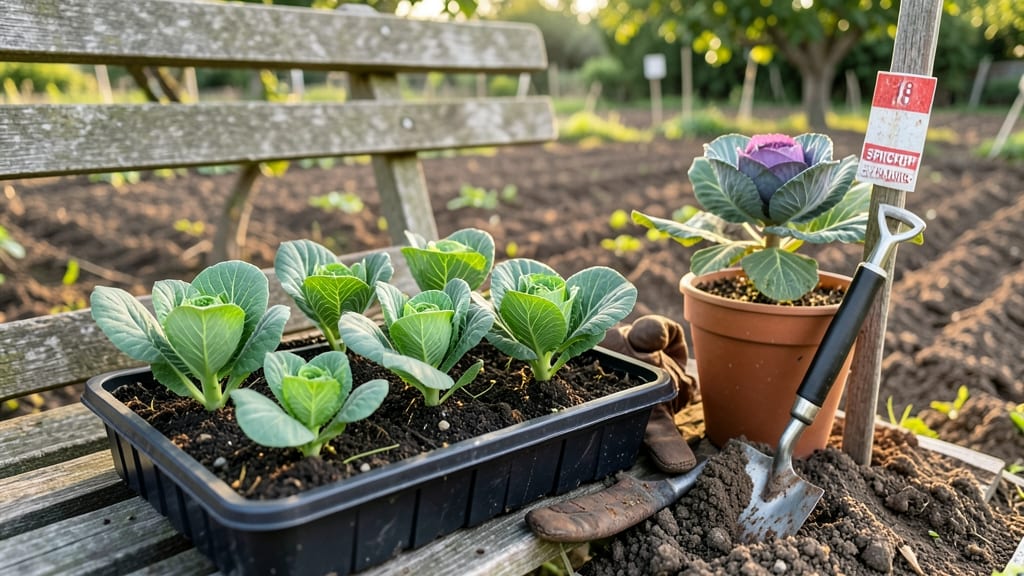
Planting cabbage in Kentucky at the wrong time can turn your garden into a bitter disappointment—especially when unpredictable weather sends your plants bolting before they even form heads.
The key to sweet, crisp 🥬 harvests lies in knowing the exact windows for your microclimate, whether you're in the Bluegrass region or the Cumberland Plateau.
Most Kentucky gardeners make one critical mistake: planting too early when soil temperatures are still chilly, or too late when summer heat triggers bolting.
I’ve tested these timings for years, and the difference between a thriving crop and a wasted effort comes down to precision—not just guessing based on the calendar.
In this guide, you’ll discover the ideal planting dates for both spring and fall crops, tailored to Kentucky’s USDA zones 6a-7a. We’ll cover soil prep tricks to avoid common pitfalls, frost-proofing strategies, and even how to adjust for Kentucky’s four distinct growing regions.
Ready to grow cabbage that’s head-heavy, pest-resistant, and ready to harvest by May or October? Let’s dive into the microclimate-specific deadlines that’ll finally give you the results you’ve been waiting for.
Kentucky’s cabbage planting zones by microclimate: avoid bolting with precision timing
Kentucky’s diverse geography creates four distinct cabbage-growing zones, each with its own last-frost dates and soil temperature triggers. Planting at the wrong time can trigger premature bolting, turning your sweet cabbage into bitter, seed-stalked disappointment.
The key? Understanding your microclimate’s exact planting deadlines and adjusting for local weather quirks.
From the humid Bluegrass region to the drier Jackson Purchase, each zone demands different timing. For example, Louisville’s USDA Zone 7a allows earlier spring plantings than Paducah’s Zone 7b.
Even within regions, elevation changes (like the Cumberland Plateau) can shift frost dates by 1–2 weeks. Let’s break down the ideal planting windows for each zone.
In the Bluegrass region, where humidity lingers, aim to plant cabbage seeds by March 15 for spring harvests. The soil temperature must stay above 45°F to prevent stunted growth.
For fall crops, start seeds by August 1—any later risks bolting before frost. Use row covers to extend the window by 2 weeks if needed.
The Pennyrile region, with its drier climate, can handle earlier plantings. Seedlings thrive when soil hits 50°F, so don’t wait until March 5—start by February 20 for a head start.
Fall plantings here must begin by July 20 to mature before first frost. Choose heat-tolerant varieties like ‘Golden Acre’ to avoid stress.
High-elevation Cumberland Plateau gardens face cooler soils, so plant cabbage transplants as early as March 20 when temperatures hit 40°F. This zone’s shorter growing season demands fast-maturing varieties (e.g., ‘Wisconsin Winter’) for reliable harvests.
Fall plantings must start by August 10—any delay risks premature bolting from dropping nighttime temps.
For the Jackson Purchase, where summers scorch, focus on late summer plantings (by August 10) for fall harvests. The region’s 50°F soil trigger aligns with Pennyrile, but its hotter microclimate demands shade cloth during peak heat.
Spring plantings here benefit from black plastic mulch to warm the soil faster.
Pro tip: Use a soil thermometer to confirm readiness—cold soils delay germination. In all zones, harden off seedlings for 7–10 days before
How to adjust cabbage planting for Kentucky’s unpredictable weather patterns
Kentucky’s late spring frosts and sudden heatwaves can sabotage your cabbage crop if you’re not prepared. The key to success lies in adjusting planting times and choosing varieties that thrive in USDA zones 6a-7a. Unlike other regions, Kentucky’s microclimates vary drastically—what works in Louisville may fail in Paducah.
For spring cabbage, start seeds indoors 6-8 weeks before your average last frost date (typically mid-April). Transplant seedlings outdoors when soil temps reach 45°F (7°C)—but be ready to cover plants if late frosts linger.
In fall, aim for July-August sowing to ensure harvest before first frost (mid-October).
⚠️ callout warning ⚠️
Late frosts (after April 15) can kill young seedlings. Heatwaves above 85°F (29°C) cause bolting. Drought stress leads to bitter, loose heads.
Solution: Use row covers to extend spring planting by 3-4 weeks. Choose cold-hardy varieties like ‘Golden Acre’ or ‘Wisconsin Winter’ for fall crops.
To extend your planting window, invest in floating row covers or low tunnels. These protect seedlings from late frosts and insect pests while allowing light and air to pass.
Remove covers when plants are 4-6 inches tall to prevent overheating. For drought-prone areas, mulch with straw or shredded leaves to retain moisture.
For fall cabbage, prioritize slow-bolting varieties like ‘January King’ or ‘Red Express.’ Plant 80-100 days before your first frost to ensure heads mature before cold sets in.
In southern Kentucky (USDA 7a), you can push planting to early August, while northern regions (USDA 6a) should stick to late July.
Monitor soil moisture closely during Kentucky’s summer droughts. Cabbage needs 1-1.5 inches of water weekly, but overwatering can cause splitting. Use drip irrigation to deliver water directly to roots and reduce evaporation. In containers, water every 2-3 days to prevent soil from drying out too quickly.
Finally, fertilize wisely—too much nitrogen late in the season triggers bolting. Use a balanced 10-10-10 fertilizer at planting, then switch to a low-nitrogen formula (like 5-5-5) 4-6 weeks later. Avoid fertilizing 4 weeks before harvest to prevent bitterness in your cabbage.