
Plants
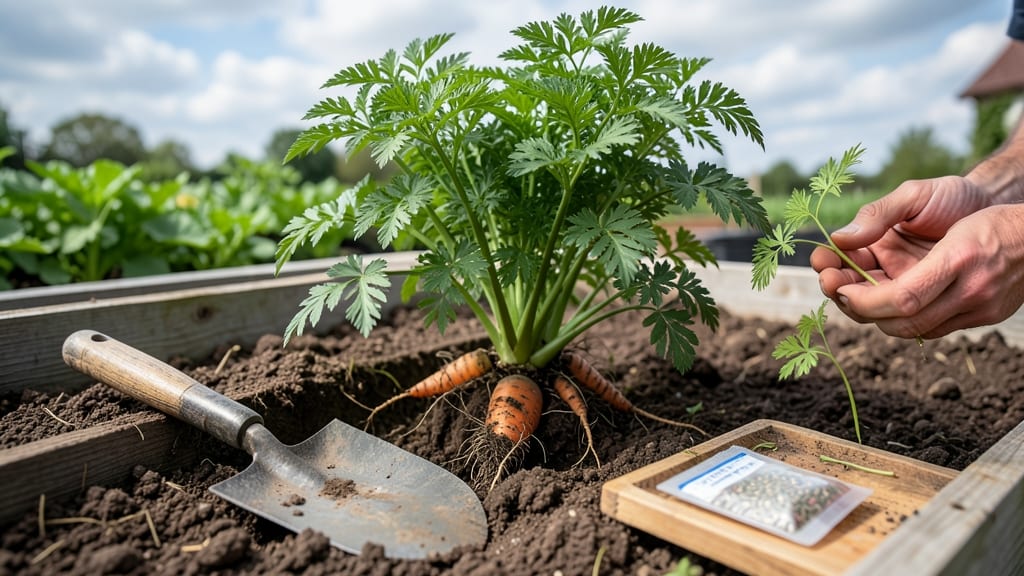
Timing your carrot planting in North Carolina can make or break your harvest—get it wrong, and you'll end up with bitter, woody 🥕 instead of the sweet, crisp roots you crave.
The key lies in understanding the state's unique climate zones and frost patterns, where a single misstep can turn your garden dreams into disappointment.
Most gardeners in zones 7a-8b know spring and fall are the prime windows, but the exact timing matters more than you think. Plant too early, and your seeds rot in cold soil; too late, and the summer heat sends them bolting before you even see a harvest.
I'll break down the perfect planting schedule so you can avoid these common pitfalls and enjoy fresh carrots from April through November.
Whether you're a first-time gardener or a seasoned green thumb, knowing when to sow your 🥕 seeds is the foundation for success.
We'll cover the best months for each season, soil prep tips, and how to adjust for your specific region—whether you're in the Piedmont, Coastal Plain, or Mountain areas of North Carolina.
Ready to grow the best carrots of your life? Let's dive into the exact planting dates, soil conditions, and variety choices that will give you a bountiful harvest—without the guesswork. Your future crisp, flavorful roots are waiting!
North Carolina carrot planting calendar: best months for spring vs fall success
Timing your carrot planting in North Carolina is everything—get it wrong, and you'll end up with bolted tops or woody roots instead of the sweet, crisp harvest you crave.
The key lies in understanding your USDA zones (7a-8b), soil temperatures, and regional frost dates that vary dramatically from the Coastal Plain to the Mountain regions.
I've planted carrots across all three NC zones, and I can tell you: spring and fall are your only true windows for success.
North Carolina's diverse microclimates mean what works in Asheville (Zone 7a) won't always suit Raleigh (Zone 7b) or Wilmington (Zone 8a). The Piedmont gets cooler nights, the Coastal Plain stays warmer longer, and the Mountains face earlier frosts.
For crisp, flavorful carrots, you'll want to focus on soil temps between 50°F and 75°F—any hotter, and you risk bolting (going to seed), while cooler temps slow germination.
Here's the non-negotiable rule: Never plant carrots in summer (June-August) unless you're growing heat-tolerant varieties like 'Danvers Half Long' in shade cloth. The ideal windows are February-April for spring and August-September for fall, with harvests timed to avoid hard frosts (typically by mid-November).
🌱
| Region | Spring Planting Window | Soil Temp Threshold | Fall Planting Window | Last Harvest Before Frost |
|---|---|---|---|---|
| Mountains (Zone 7a) | Mid-March to early April | 50°F+ (consistent) | Late July to mid-August | Early November |
| Piedmont (Zone 7b) | Late February to March | 55°F+ (consistent) | Early August to September | Mid-November |
| Coastal Plain (Zone 8a) | January to early March | 60°F+ (consistent) | Mid-August to September | Late November |
Let's break down the spring vs. fall timing with precision. For spring plantings, start seeds indoors 6-8 weeks before your last frost date (use heat mats if your soil is slow to warm).
In the Piedmont, that means late February sowings for March transplanting, while Mountain gardeners should wait until mid-March. The Coastal Plain is the most forgiving—you can even plant as early as January if you use row covers for frost protection.
For fall plantings, the goal is to get seeds in the ground 8-10 weeks before your first frost (aim for soil temps around 65°F).
This means late July sowings in the Mountains and early August in the Piedmont. Succession plant every 2 weeks in fall for a staggered harvest—this ensures you're not overwhelmed with mature carrots all at once while avoiding the bitter taste that comes from over-mature roots.
One mistake I see new NC gardeners make is planting too late in spring or too early in fall. If you sow carrots in May, they'll bolt by June thanks to longer daylight hours.
Similarly, September plantings in the Mountains risk frost damage before roots mature. Pro tip: Use shade cloth (30-50%) in summer to trick plants into thinking it's cooler, delaying bolting.
💧
Beyond timing, soil prep is your secret weapon. Carrots hate compacted soil—it causes forked roots. Amend your beds with compost or aged manure and sand (if your soil is clay-heavy, like in the Piedmont). Test your soil pH—carrots thrive in 6.0-7.0.
If your soil is too acidic (below 6.0), add lime; if too alkaline (above 7.0), mix in sulfur. I once had a disastrous batch of forking carrots in my clay-heavy Raleigh garden until I added coarse sand to the planting rows.
Finally, harvest timing is just as critical. Carrots are ready in 60-80 days, but don't let them get too large—they'll turn woody and tough. Check for 1-3 inch diameter roots with vibrant green tops.
In fall, keep harvesting until soil temps drop below 40°F. Pro move: Store freshly harvested carrots in sand or sawdust in a cool, dark place (like a root cellar) to extend their shelf life for months.
🌿
5 Critical factors that determine carrot planting timing in NC (and how to adjust)
North Carolina's diverse climate—from the Coastal Plain's humidity to the Mountains' cooler nights—means one-size-fits-all planting advice fails. Even within USDA zones 7a-8b, your carrot timing must adapt to local microclimates and avoid common pitfalls like forked roots or bolting.
The key? Understanding how soil temperature, daylight hours, and pest cycles force adjustments to standard schedules.
For example, planting Danvers carrots in late April might work in the Piedmont but risks heat stress in the Coastal Plain, where soil stays warmer longer. Meanwhile, short-day varieties like 'Paris Market' can bolt prematurely if sown too early in March—especially in the Mountains, where days lengthen faster.
These nuances explain why succession planting (every 2-3 weeks) often beats a single massive sowing.
- 🌡️ Soil Temperature: Wait until soil reaches 50°F+ (use a soil thermometer); NC's Coastal Plain warms faster than the Mountains.
- 🌅 Day-Length Sensitivity: Long-day varieties (e.g., 'Chantenay') bolt if planted before March 15 in the Piedmont; short-day types (e.g., 'Nantes') handle earlier sowings.
- 🐜 Pest Pressure: Carrot rust fly peaks in June-July; avoid summer planting unless using row covers or succession sowings in August-September.
- 💧 Moisture Retention: Sandy soils (common in Coastal NC) dry fast; mulch with straw to maintain consistent moisture during germination.
- ⏰ Succession Planting: Sow every 2-3 weeks from February-April (spring) and August-September (fall) for continuous harvests; adjust intervals based on pest cycles.
Adjusting for soil temperature is non-negotiable. In my Piedmont garden, I’ve learned to test soil with a thermometer—planting too early in February risks cold, compacted soil, which stunts roots.
Aim for 50°F+ at a 2-inch depth; in Coastal NC, this might mean waiting until mid-March, while Mountain gardens can start as early as late February.
Daylight hours trigger bolting, a major headache in NC. Carrots are long-day plants, meaning they’ll flower prematurely if exposed to 14+ hours of light too soon.
To avoid this, I plant heat-tolerant varieties like 'Yellowstone' in late April for summer harvests, but I skip June sowings entirely—the heat and long days guarantee bolting. Instead, I focus on fall succession plantings in August-September.
Pest pressure forces my planting calendar to bend. The carrot rust fly is relentless in NC, with larvae attacking roots in June-July. To outsmart it, I use row covers for summer plantings or switch to late-summer varieties like 'Autumn King' sown in August.
Another trick? Interplanting with leeks or onions deters flies naturally. These adjustments turn pest seasons into harvest windows.
For continuous harvests, I rely on succession planting—sowing seeds every 2-3 weeks from February-April and again in August-September. This spreads risk: if frost nips early plantings, later batches compensate.
In Coastal NC, where summers are hotter, I extend the fall window by planting shade-tolerant varieties like 'Paris Market' under partial shade in September.
Remember: NC’s climate is your toolkit. Use soil tests, microclimate observations, and pest awareness to fine-tune timing. When you master these five factors, you’ll enjoy crisp, sweet carrots from spring to fall