
Plants
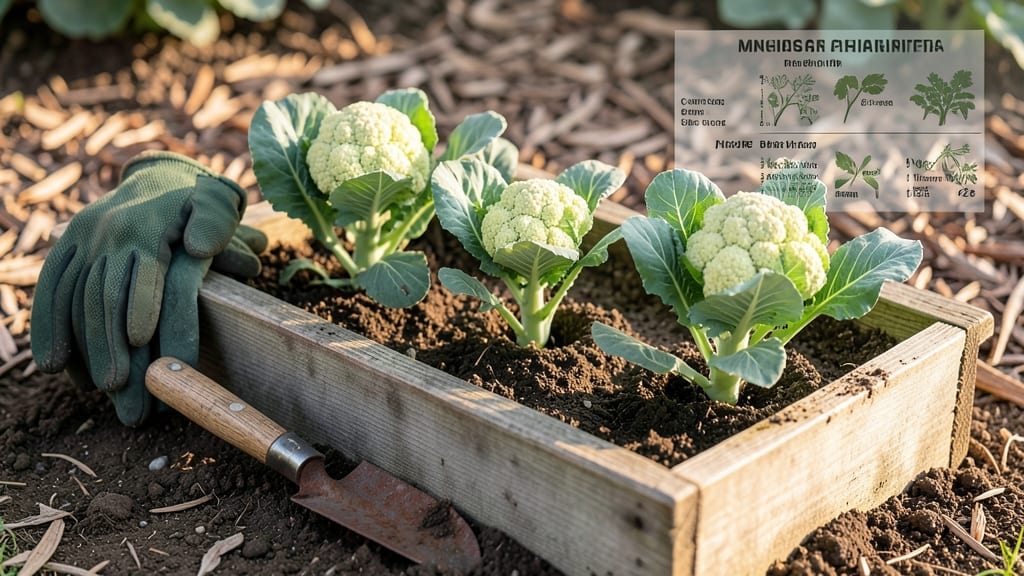
Planting cauliflower in Michigan at the wrong time can mean the difference between a bountiful harvest and bitter disappointment. This cool-weather crop thrives when nights are crisp and days are mild—but get the timing off, and you’ll either face frost damage or watch your plants bolt before they form heads.
I’ve learned the hard way that Michigan’s 5b-6b zones demand precision. Too early, and a late frost will turn your seedlings to mush; too late, and your 🥬 will flower prematurely, leaving you with bitter, inedible stalks.
The key? Knowing exactly when to transplant—whether you’re aiming for a spring harvest in May or a fall crop in September.
What if I told you there’s a simple way to calculate your perfect planting window? By factoring in your last frost date (usually around mid-April in most regions) and soil temperature, you can avoid common mistakes and extend your growing season.
Let me walk you through the exact steps—plus the best varieties for Michigan’s climate.
Ready to grow cauliflower that’s tender, flavorful, and ready just in time? Let’s dive into the frost-date calculator and planting schedule that’ll give you zero-bolt success every season.
Michigan cauliflower planting dates by frost zone (with hardiness map)
Michigan’s diverse USDA zones (5b-6b) create unique challenges for growing cauliflower. In the Upper Peninsula (Zone 5b), cooler temperatures demand earlier planting, while the Southern Lower Peninsula (Zone 6b) allows slightly later starts.
Getting the timing right prevents frost damage or premature bolting, ensuring you harvest tender, flavorful heads instead of bitter, seed-filled stalks.
Cauliflower thrives in cool weather (50-75°F), making it ideal for Michigan’s spring and fall gardens. The key is planting when soil temperatures hit 45°F and ensuring heads mature before first frost (mid-October).
For zero-bolt success, align your planting with Michigan’s last frost dates (April 15–May 15) and adjust based on your specific zone.
Pro Tip: Use row covers or cold frames to extend your growing season in colder zones. This simple trick can add 2-3 weeks of protection for late-season harvests.
In the Upper Peninsula, start seeds indoors by March 15 for spring planting, as cooler soils delay germination. Transplant seedlings outdoors once soil warms to 45°F, typically around April 20.
For fall harvests, begin seeds indoors by July 15 to transplant by August 10, ensuring heads mature before first frost.
Gardeners in the Southern Lower Peninsula (Zone 6b) enjoy a longer growing season. You can start seeds as early as February 20 for spring planting, transplanting by April 10. For fall, begin seeds by June 20 to transplant by July 15, allowing harvests into early October.
Soil temperature is critical—cauliflower roots struggle below 45°F. Use a soil thermometer to confirm readiness. If temperatures drop unexpectedly, protect seedlings with frost cloth or straw mulch.
For succession planting, sow new seeds every 2-3 weeks from spring through early summer. This staggered approach ensures a continuous harvest and reduces the risk of bolting from heat stress. In fall, focus on late July starts to maximize your window.
Choose cold-hardy varieties like ‘Snowball Y Improved’ or ‘Purple of Sicily’ for Michigan’s climate. These varieties tolerate cooler temperatures better than standard types, giving you a higher chance of success in unpredictable springs.
Remember: Consistent moisture is key during head formation. Let soil dry slightly between waterings to prevent rot, but never let it become bone-dry. Mulch with straw or grass clippings to retain moisture and regulate soil temperature.
With these zone-specific guidelines, you’ll avoid the two biggest cauliflower pitfalls in Michigan: frost damage and premature bolting. Happy planting—your garden’s about to deliver some of the sweetest curds in the state!
Cauliflower frost-date calculator: how to avoid bolting in 5 simple steps
Michigan’s last frost dates (typically April 15–May 15) create a tight window for cauliflower success. Plant too early, and frost will damage tender seedlings; too late, and your plants will bolt before forming heads. The key? Calculating your ideal transplant window based on soil temperature and regional frost patterns.
I’ve grown cauliflower in Michigan for years, and the difference between a flavorful harvest and a bitter, bolted mess comes down to timing. Here’s my foolproof 5-step frost-date calculator to ensure zero-bolt success, even in Michigan’s unpredictable climate.
Your Cauliflower Planting Timeline
- 1 Start seeds indoors 6–8 weeks before your last frost date. For Michigan’s average April 15 last frost, that means mid-February to early March planting.
- 2 Transplant seedlings when soil reaches 45°F and nighttime temps stay above 35°F. In most of Michigan, this is late April to early May. Use a soil thermometer to confirm!
- 3 Extend the season with row covers if frost threatens after transplanting. A lightweight frost blanket can add 2–4 weeks of protection for early plantings.
- 4 Succession plant every 2 weeks after your first transplant for a continuous harvest. For example, if you plant on May 1, follow up with May 15 and May 30 batches.
- 5 Harvest before bolting. Count 70 days from transplanting—if heads aren’t ready by then, your plants will send up flower stalks. Cut heads at the base with a sharp knife for the cleanest results.
🌱 Pro Tip: Use a garden journal to track your local frost dates—Michigan’s can vary by 2 weeks between regions!
For fall harvests, repeat the process in reverse: Start seeds 8–10 weeks before your first frost (typically mid-August for Michigan’s October 15 average). This second planting gives you a late-season crop just as summer heat fades.
Remember, soil temperature matters more than air temperature. A soil thermometer is your best friend—cauliflower roots struggle in cold soil, even if daytime temps are warm. If your soil runs below 45°F, wait a week or two before transplanting.
With this frost-date calculator, you’ll avoid the two biggest cauliflower mistakes in Michigan: frost damage and bolting. Follow these steps, and you’ll enjoy homegrown curds from spring through fall—no bitter surprises! 🥬