
Plants
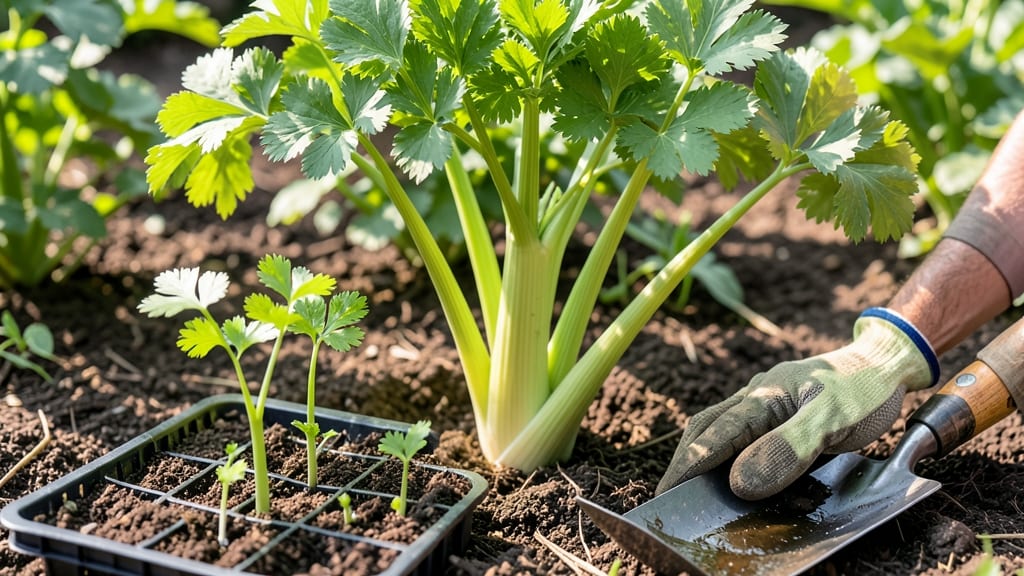
If you’ve ever dreamed of growing crisp, homegrown 🥬 celery in North Carolina, timing is the secret ingredient—plant too soon, and frost will turn your efforts to mush; too late, and the summer heat will leave your stalks bitter and tough.
North Carolina’s 7a-8b zones offer two prime windows to get celery in the ground: February-March for spring harvests or August-September for fall crops, both timed to avoid the brutal heat of July and the early frosts of October.
But here’s the catch: coastal areas near Wilmington and the Piedmont’s higher elevations play by slightly different rules.
I’ve tested the best methods—from starting seeds indoors 10-12 weeks before last frost to transplanting hardened-off seedlings once soil hits 50°F. The right variety matters too: Tall Utah stands up to NC’s humidity, while quick-maturing types like ‘Utah Improved’ give you an edge in shorter seasons.
Ready to grow celery that rivals the grocery store? Let’s break down the exact frost-free windows, soil prep tricks, and how to outsmart NC’s pests—so you can enjoy that first harvest by May or October, crisp and ready to go.
Optimal planting windows for celery in North Carolina’s climate zones
North Carolina’s diverse climate—from the coastal Zone 8b to the mountainous Zone 6a—creates unique challenges for growing celery. The key is planting when soil temperatures stay above 50°F and avoiding both late frosts and summer heat stress.
Celery thrives in cooler seasons, making spring and fall your best bets for success.
In NC, celery’s 120-day growing season demands precise timing. Plant too early, and frost will damage tender seedlings; too late, and bolting (premature flowering) ruins crispness. Let’s break down the best planting windows by USDA zone, including soil prep tips and frost-free adjustments.
Soil temperature is non-negotiable for celery. Seedlings won’t germinate below 50°F, and established plants struggle above 80°F. Use a soil thermometer to confirm readiness—this is your green light to plant.
Best celery varieties for NC gardens and their unique planting needs
Not all celery is created equal—especially in North Carolina’s humid, heat-prone climate. The wrong variety will bolt in summer or flop under coastal humidity. I’ve grown Tall Utah, celeriac, and quick-maturing types like 'Utah Improved' to find the best fits for NC gardens.
Each has unique spacing needs and frost tolerance that’ll make or break your harvest.
For crisp stalks, Tall Utah is my top pick—it handles NC’s 80°F+ summers better than most, but needs 18-inch spacing to avoid crowding. If you love celeriac’s nutty roots, 'Prinz' or 'Monarch' are worth trying, though they need 24-inch spacing and cooler soils to develop properly.
Quick-maturing 'Utah Improved' gives you 90-day harvests, perfect for short-season Piedmont gardens.
Spacing is non-negotiable for celery in NC. Tall Utah plants need 18 inches apart in rows 24 inches apart to prevent disease from poor airflow. Celeriac varieties like 'Prinz' demand even more room—24 inches in all directions—because their root balls expand.
Quick-maturing 'Utah Improved' can handle 12-inch spacing, making it ideal for small gardens or container growing.
Soil prep matters just as much as timing. Celery hates compacted or sandy soil, so amend with 2 inches of compost and a 5-10-10 fertilizer at planting. In NC’s acidic soils, aim for a pH of 6.0-6.8—too high, and nutrients lock out.
I’ve seen Tall Utah flop in pH 7.0+ soil unless I add sulfur.
For fall harvests, choose 'Utah Improved'—it matures in 90 days, giving you a October-November window before first frost. If you’re growing celeriac, plant seeds 8-10 weeks before last frost and harvest roots before 80°F soil temps.
In my Zone 7b garden, that means late August sowing for a late October dig.
Pro tip: Use shade cloth (30-50%) over summer plantings to prevent bolting. I’ve seen Tall Utah survive 90°F days with afternoon shade, while celeriac bolts faster without it. Mulch with straw to keep roots cool and soil moist—NC’s summer droughts will turn celery woody and bitter if left dry.
Ready to pick your variety? Tall Utah is the all-rounder, celeriac is for adventurous cooks, and 'Utah Improved' wins for speed. Just remember: spacing, soil pH, and shade are your NC celery superpowers. 🌱