
Plants
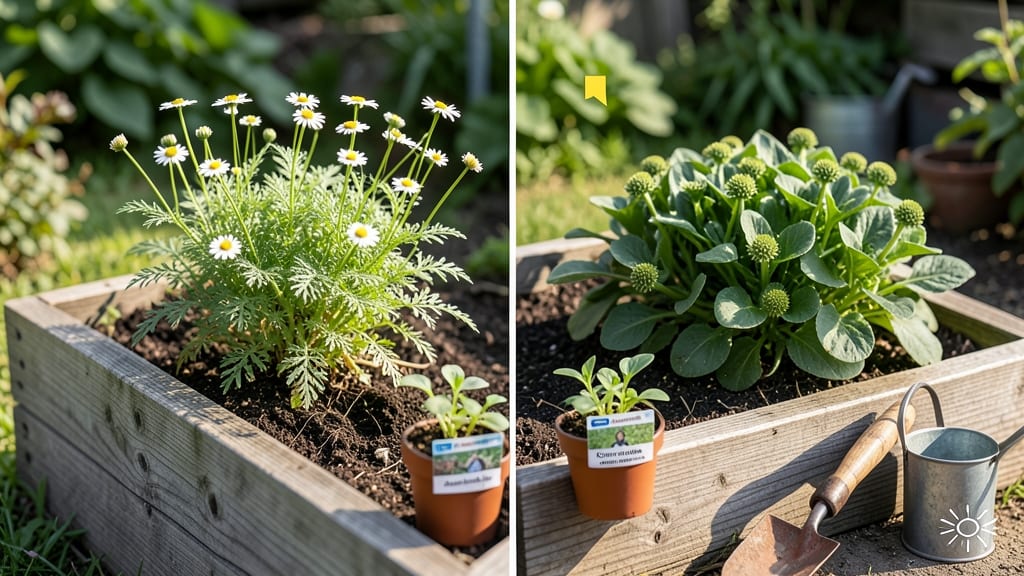
Timing your chamomile🌼 planting in Texas isn't just about the calendar—it's about dodging frost, beating the heat, and giving your plants the best shot at survival. Skip the wrong window, and you'll either bake your seedlings or watch them shiver in a surprise freeze.
But get it right, and you're looking at lush, fragrant blooms that thrive through our unpredictable winters.
Most Texas gardeners swear by fall planting, between September and November, when soil stays warm but nights cool down just enough to avoid heat stress. This is when chamomile roots settle in before winter, giving you a head start on spring harvests.
But here's the catch: North Texas and South Texas don't play by the same rules—what works in Zone 8a might flop in Zone 10b.
I’ve tested both spring and fall plantings across Texas, and the difference is night and day. Fall gives you frost-free growth, while spring risks late freezes that can wipe out tender seedlings.
The key? Planting after your last frost date but before temperatures dip too low—typically mid-September to early November for most regions.
Ready to grow chamomile that survives Texas’ wild swings? Let’s break down the exact months for your corner of the state, plus pro tips to keep your plants thriving through droughts, heatwaves, and everything in between.
Texas chamomile planting calendar: best fall months by region
Texas' vast size means chamomile planting windows vary dramatically from North Texas' chilly winters to South Texas' mild climates. In USDA zones 8a-10b, timing is critical—plant too early, and frost zaps tender seedlings; too late, and your harvest suffers.
The ideal fall window balances soil warmth and frost risk, ensuring robust root establishment before winter dormancy.
For North Texas gardeners (zones 7b-8a), the first frost often arrives by mid-December, so aim to plant chamomile seeds or transplants between September 15 and October 15. This gives roots 6-8 weeks to establish before winter.
In Central Texas (zones 8a-8b), where frosts are later (December 15-January 1), you can extend planting until November 1.
South Texas (zones 9a-10b) offers the longest window—plant from September 1 through November 15. Here, mild winters mean chamomile can even overwinter with minimal protection. Always check your local frost-free date (available via Texas A&M AgriLife maps) to fine-tune your schedule.
| Region | USDA Zone | First Frost Date | Best Planting Window | Soil Temp Requirement | Notes |
|---|---|---|---|---|---|
| North Texas | 7b-8a | Mid-December | September 15-October 15 | 60°F+ | Use frost blankets if planting late October |
| Central Texas | 8a-8b | December 15-January 1 | September 1-November 1 | 65°F+ | Mulch heavily after November 15 |
| South Texas | 9a-10b | January 15-February 1 | September 1-November 15 | 70°F+ | Can overwinter with minimal protection |
When selecting your chamomile planting month, prioritize soil temperature over calendar dates. Chamomile thrives when soil stays above 60°F—use a soil thermometer to confirm readiness.
In North Texas, September often delivers perfect conditions, while Central and South Texas can extend planting into early November when daytime temps stay warm.
For container gardening, adjust your timeline by 2-3 weeks earlier—pots cool faster and are more vulnerable to frost. Place containers in south-facing spots and use black plastic mulch to absorb heat.
If you miss the fall window, spring planting (February-March) works too, but expect a later harvest in summer.
Pro tip: Direct-sow seeds in September for the earliest blooms, but transplants give you a 2-3 week head start. Harden off seedlings for 7-10 days before transplanting to avoid shock. In drought-prone areas, water deeply 2-3 days before planting to improve soil moisture retention.
Watch for false starts—some years, a light frost hits in October, especially in North Texas. If this occurs, cover plants with row covers or frost cloth immediately. German chamomile (Matricaria chamomilla) handles cold better than Roman chamomile (Chamaemelum nobile), so choose varieties wisely for your region.
After planting, mulch with straw or shredded leaves to insulate roots and retain moisture. In South Texas, you can even plant chamomile year-round with consistent care, though fall remains ideal for established roots. Always monitor local weather forecasts—a sudden cold snap can derail even the best-laid plans.
Remember: Chamomile's first blooms appear 75-90 days after planting, so fall plantings yield spring harvests. Plan ahead if you want summer tea! For year-round chamomile, combine fall and spring plantings to stagger your harvest.
By mastering your Texas region's planting calendar, you'll enjoy frost-free chamomile that thrives even in our unpredictable climate. Happy gardening—your calming chamomile tea awaits! 🌼
Chamomile survival guide: how to protect plants from Texas freezes
Texas winters might be mild compared to other states, but unexpected freezes can still devastate your chamomile plants. The key to protecting your chamomile lies in preparation—starting with the right soil prep and extending into smart mulching and frost blanket strategies.
I’ve learned the hard way that chamomile, while hardy, struggles when temperatures dip below 28°F. Without protection, your plants can turn mushy and die back to the ground.
Fall-planted chamomile has the best chance of surviving Texas freezes because it establishes strong roots before winter. But even then, a 30°F night can damage tender foliage. My secret weapon?
A combination of heavy mulch, row covers, and choosing the right cold-hardy varieties. Let’s break down exactly how to shield your chamomile from Texas’ unpredictable cold snaps.
⚠️ Critical Freeze Alert!
Texas freezes can hit anytime from November to March, even in Zone 10b. Chamomile’s tender leaves die at 28°F, but roots survive down to 20°F with protection. Act now: Apply 3-4 inches of mulch by mid-November and keep frost blankets handy for sudden drops below 32°F.
Pro Tip: Use straw mulch (not plastic) to insulate roots while allowing airflow. For container-grown chamomile, move pots to a garage or porch if frost is forecasted.
Before the first frost arrives, focus on soil preparation. Chamomile thrives in well-draining soil with a pH between 6.0 and 7.5. Amend your soil with compost or aged manure in early fall to improve drainage and add organic matter.
Poor drainage leads to root rot, which weakens plants and makes them more susceptible to cold damage. I mix in perlite or sand for sandy Texas soils to help water drain faster.
Once your chamomile is planted, mulching is your best defense against temperature swings. Spread a 3-4 inch layer of straw or shredded leaves around the base of your plants in late fall. This acts like a thermal blanket, keeping soil temperatures 5-10°F warmer than unmulched areas.
For extra protection, top the mulch with a lightweight frost blanket on nights when temperatures are expected to drop below 32°F. Just remember to remove it during the day to avoid overheating.
Not all chamomile varieties handle Texas freezes equally. German chamomile (Matricaria chamomilla) is slightly more cold-tolerant than Roman chamomile (Chamaemelum nobile), but neither is truly winter-hardy.
For a safer bet, consider Texas native alternatives like blanket flower (Gaillardia), which thrives in Zone 3-10 and blooms year-round with minimal care. If you’re committed to chamomile, start with hardier varieties and pair them with protective measures.
After a freeze, inspect your chamomile for damage. If leaves turn black but stems remain firm, your plant may recover. Prune back dead foliage and fertilize lightly with a balanced 5-10-10 mix in early spring to encourage new growth.
Avoid heavy feeding until you see fresh green shoots, as stressed plants are more vulnerable to pests and disease. With the right prep, your chamomile can bounce back stronger than ever—ready to bloom by spring.