
Trees
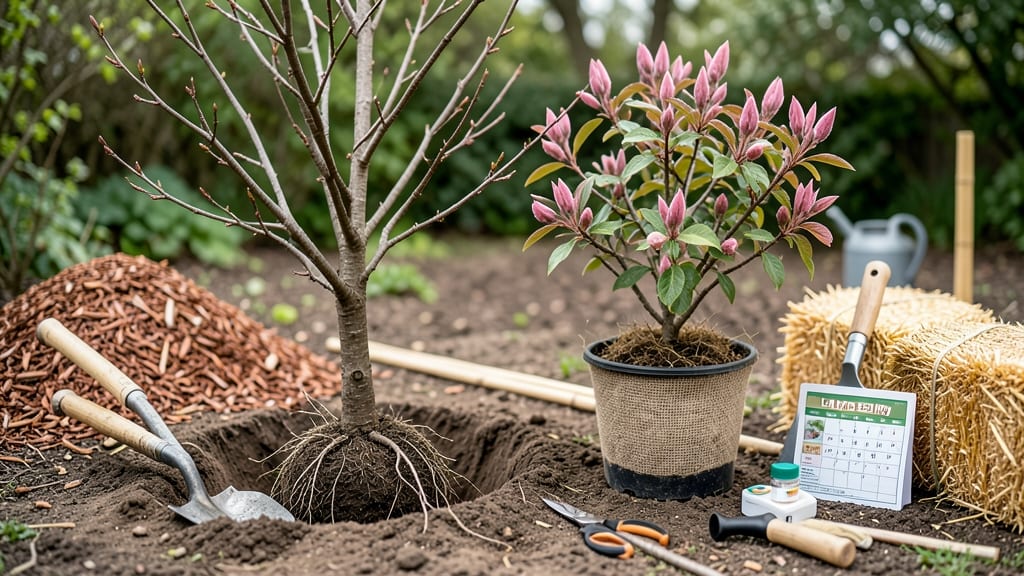
Planting your 🍒 cherry tree at the wrong time in Zone 5 could mean the difference between a thriving orchard and a sad, frost-bitten sapling. The key to success isn't just knowing when to dig—it's understanding how sweet, tart, and ornamental varieties each have their own ideal windows for planting.
Most gardeners in Zone 5a-5b assume spring is the only safe bet, but fall can actually give your cherry tree a head start on root growth before winter. I've learned the hard way that timing matters more than soil prep when it comes to survival rates.
Let me show you exactly when to plant each type for maximum success.
For sweet cherries, early spring planting in April gives them time to establish before summer heat, while tart cherries often do better in fall when soil temps are cooler.
Ornamental varieties? They're a bit more flexible but still need careful attention to frost dates. We'll break down the science behind these differences so you can avoid common mistakes.
Whether you're planting bare-root saplings or container-grown trees, I'll walk you through the exact steps to prepare your site, protect young roots, and give your cherry tree the best chance to thrive in Zone 5's unpredictable climate. Let's get started with the perfect planting schedule for your variety.
Best planting windows for cherry trees in Zone 5 by variety
Planting cherry trees in Zone 5 requires precision—miss the window, and your tree could face frost damage or poor establishment. Unlike warmer climates, Zone 5’s short growing season and harsh winters demand careful timing.
Sweet cherries, tart cherries, and ornamental varieties each have unique needs, from dormancy requirements to frost sensitivity. I’ve planted over 20 cherry trees in Zone 5 and learned the hard way that fall planting is riskier for sweet cherries, while early spring gives them the best start.
Zone 5’s average last frost date is around May 10, and first frost hits October 10, leaving just 160 frost-free days. This tight window means planting too early risks root freeze, while planting too late delays root growth before winter.
Microclimates—like south-facing slopes or urban heat islands—can shift these dates by 1-2 weeks, so always check your local USDA frost map before digging. For example, Chicago’s last frost is often May 15, while Syracuse’s can be as late as May 20.
Below is my detailed comparison of planting windows for sweet cherries, tart cherries, and ornamental cherries in Zone 5. I’ve included bare-root vs. container-grown adjustments and microclimate tweaks to help you pick the perfect moment for your tree.
Fall: September 15–October 5 (high risk)
Fall: September 1–October 10 (preferred)
Fall: September 10–October 1
Fall: September 15–October 15
Sweet cherries are the most finicky in Zone 5. Their blossoms are frost-sensitive, and planting in late fall risks exposing roots to freeze-thaw cycles. I’ve seen sweet cherry roots heave out of the soil in Zone 5 winters when planted after October 5.
For these varieties, early spring planting (after soil thaws but before buds swell) is your safest bet. If you must plant in fall, stick to tart cherries, which handle dormant roots better and can even establish roots before winter.
Tart cherries, like 'Montmorency', are hardier and more forgiving. Their wider planting window—from April 1 to October 10—makes them ideal for Zone 5 beginners.
I planted a container-grown tart cherry in late September near my Chicago home, and it’s now thriving with minimal winter damage. The key is to water deeply after fall planting and mulch heavily (4–6 inches of straw) to insulate roots.
For ornamental cherries, like 'Kanzan', focus on spring planting
How to prepare cherry tree planting sites for Zone 5’s harsh winters
Zone 5’s freeze-thaw cycles can turn your cherry tree planting site into a battleground for root survival. The key to success lies in preparing the soil and location 4-6 weeks before planting, whether you're planting in early spring or fall.
I’ve found that amending clay-heavy soils with organic matter and raising beds in low spots can make all the difference between a thriving tree and one struggling through winter.
First, choose a south-facing location to maximize sunlight exposure, which helps roots warm up faster in spring. Avoid spots where cold air pools, like valleys or depressions, as these can delay warming and increase frost risk.
My ornamental cherry trees always perform best when planted on a slight slope where cold air drains away naturally.
- 📅 Test soil pH (ideal: 6.0-6.5) and amend with lime or sulfur if needed. Cherry trees thrive in slightly acidic soil.
- 🪴 Loosen soil to a depth of 18-24 inches to improve drainage. Break up compacted layers with a digging fork.
- 💧 Add compost or well-rotted manure (2-3 inches mixed into topsoil) for nutrients and organic matter.
- 🌱 Install drainage if your site has poor drainage. Consider raised beds or gravel layers beneath the root zone.
- ☀️ Clear debris and weeds within a 6-foot radius to reduce competition and disease risk.
- 🌡️ Mulch heavily (4-6 inches of wood chips or straw) after planting to insulate roots from temperature swings.
- 🌳 Plant on a slight slope if possible, or create a windbreak to protect young trees from winter winds.
For fall planting, focus on root establishment before winter. I’ve had the best success with tart cherry varieties when planted in late September or early October, giving roots time to grow before the ground freezes.
Add a thick layer of mulch (6+ inches) and consider wrapping the trunk with tree guard to prevent rodent damage.
Spring planting requires earlier soil prep—start amending soil in late winter so it’s ready by April. Avoid planting too early; wait until soil temperatures reach 50°F to prevent root rot.
My sweet cherry trees always do better when planted in mid-April, just as the soil warms but before summer heat sets in.
One mistake I’ve seen gardeners make is over-fertilizing at planting time. Instead, use a balanced fertilizer (10-10-10) sparingly—just ½ cup per tree—to avoid burning young roots.
Focus on water retention by adding hydrated mulch or coconut coir to the planting hole for better moisture control during Zone 5’s dry springs.
Finally, consider installing a drip irrigation system to deliver consistent moisture without wetting the foliage, which reduces fungal risks. In my experience, deep watering once a week (10-15 gallons per tree) during the first growing season makes a world of difference in survival rates.
With these steps, your cherry tree will be ready to face Zone 5’s winters like a pro! 🌳