
Plants
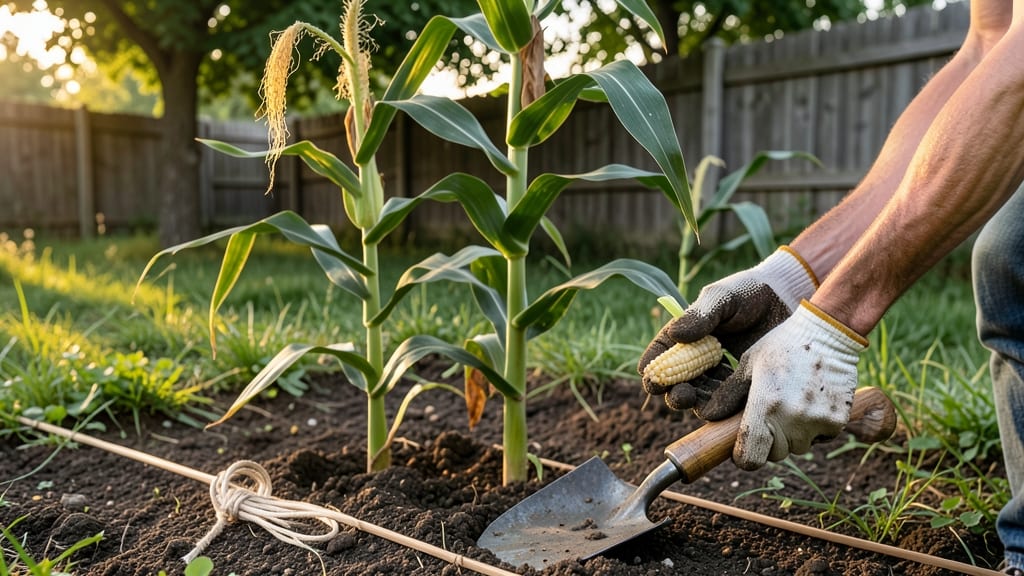
Planting corn in North Carolina at the wrong time can mean the difference between a thriving 🌽 harvest and wasted seeds—because soil temperatures matter more than the calendar date.
If you've ever watched your corn seeds sit stubbornly in cold ground or bolt too fast in heat, you know timing is everything.
The key to fast germination isn't just waiting for spring—it's tracking when your soil hits that 60°F sweet spot, which varies wildly across NC's climate zones. From the Coastal Plain to the Piedmont, understanding these triggers helps you avoid frost damage or late-season heat stress that stunts growth.
I'll break down exactly when to plant based on your local microclimate, plus how to test soil temperature like a pro. Whether you're in Zone 6a or 8b, these insights will help you time your planting for maximum yield and faster harvests.
Ready to grow corn that actually thrives? Let's dive into the science behind optimal planting windows and how small adjustments can make a huge difference in your garden's success.
North Carolina corn planting dates by soil temperature zones
Corn thrives in North Carolina's warm soil, but timing your planting based on soil temperature—not just calendar dates—is the secret to fast germination and healthy stalks. Unlike many vegetables, corn seeds won't sprout until the earth reaches 50°F–60°F, with 60°F+ being ideal for quick, even growth.
Rushing too early risks frost damage, while waiting too late cuts your harvest window short.
North Carolina's three distinct climate zones—Coastal Plain, Piedmont, and Mountains90%+ germination rates and a bountiful harvest.
Here’s how to align your planting with North Carolina’s soil temperature zones. Use this guide to pick the best 2-week window for your region, then monitor soil temps daily with a thermometer to fine-tune your schedule.
| Zone | Soil Temp Range | Planting Window | Key Notes |
|---|---|---|---|
| Coastal Plain (Zones 8a-8b) | 55°F–65°F | Mid-March to early April | Warmer soils allow early planting; watch for late frosts (risk until April 15). |
| Piedmont (Zones 7a-7b) | 50°F–60°F | Late March to mid-April | Soil warms slower; aim for 60°F+ to avoid slow germination. |
| Mountains (Zones 6a-7a) | 55°F–62°F | Early to mid-May | Cool nights delay soil warming; plant after May 1 for best results. |
| All Zones (Summer Planting) | 60°F–70°F | Late June to early July | Extend harvest with a second planting; use fast-maturing varieties (e.g., 'Silver Queen'). |
If you’re in the Coastal Plain, you can start as early as mid-March, but always confirm soil temps—even warm days can hide cold nights. In the Piedmont, wait until late March or early April, when daytime highs consistently reach the 60°F+ mark.
For mountain gardeners, patience is key: planting before mid-May risks stunted growth from lingering cool soils.
For a second harvest, try a late-June planting in all zones. This works best with short-season varieties (60–75 days to maturity) like 'Peaches and Cream' or 'Golden Bantam'. Just ensure soil stays above 60°F for at least 2 weeks post-planting to avoid germination delays.
Pro tip: Use black plastic mulch to warm soil faster in cooler zones. Lay it down 1–2 weeks before planting to raise soil temps by 5–10°F, especially helpful in the Piedmont and Mountains. This trick lets you plant earlier and extend your harvest window by 2–3 weeks.
Corn also benefits from companion planting with beans or squash, which improve soil nitrogen and deter pests. If you’re in a humid zone (like the Coastal Plain), space plants widely to prevent fungal diseases like corn smut, which thrives in crowded, damp conditions.
Remember: Soil temperature > calendar date. Even if your neighbor plants in April, if their soil is still chilly, their seeds may rot. Always test with a soil thermometer at a 2-inch depth—this is the critical zone where corn seeds germinate.
Aim for 60°F+ for the fastest, most reliable sprouts.
🌽
How to test soil temperature for corn germination success
Corn seeds need consistent warmth to sprout, and in North Carolina, soil temperature is the real indicator—not just the calendar date. If you plant too early, seeds may rot in cold soil, while waiting too long risks a shorter growing season.
The key is testing 2 inches deep, where seeds will germinate, using a simple soil thermometer.
For optimal germination, corn thrives when soil stays between 60°F and 70°F. In NC’s Piedmont region, this often means waiting until mid-April to early May, while coastal areas can plant slightly earlier.
The mountains may need to wait until late May. A soil thermometer ensures you’re planting at the perfect time, not guessing based on air temperature.
Step-by-Step Soil Temperature Test
- Step 1: Choose a shady morning (before 10 AM) to test. Soil is cooler then and gives the most accurate reading.
- Step 2: Insert the soil thermometer 2 inches deep—this is where corn seeds will germinate. Avoid metal probes that can heat up in sunlight.
- Step 3: Wait 30 seconds for the reading to stabilize. Note the temperature—aim for 60°F or warmer for reliable germination.
- Step 4: Test multiple spots in your garden, as soil temperature can vary by 10°F or more in different areas.
- Step 5: If temperatures fluctuate below 50°F at night, wait 5–7 days and retest. Corn seeds won’t germinate below 50°F.
- Step 6: Once soil hits 60°F consistently, plant seeds 1–1.5 inches deep in rows 30–36 inches apart for optimal airflow.
If your soil is too cold, don’t rush—corn seeds planted in 50°F soil may take 2–3 weeks to germinate or never sprout at all. Instead, use black plastic mulch to warm the soil faster or cover seeds with a row cover to protect them until temperatures rise.
In NC’s coastal regions, soil warms quicker, so you might plant 2–3 weeks earlier than inland areas.
Pro tip: Check soil temperature every 2–3 days during spring’s transition. A sudden cold snap can drop soil temps 10°F overnight, delaying germination. Keep a garden journal to track patterns—this helps you predict future planting windows without guesswork.
For example, if your soil hits 60°F on May 1 this year, plan to plant around that date next spring unless frost dates shift.
Remember, air temperature ≠ soil temperature. On a 70°F day, soil might still be 55°F—that’s why testing is non-negotiable.
Once your soil reaches the sweet spot of 60–70°F, your corn seeds will sprout in 5–10 days, setting you up for a bountiful harvest by late summer. Don’t let a few degrees cost you your crop—grab that thermometer and plant with confidence!