
Plants
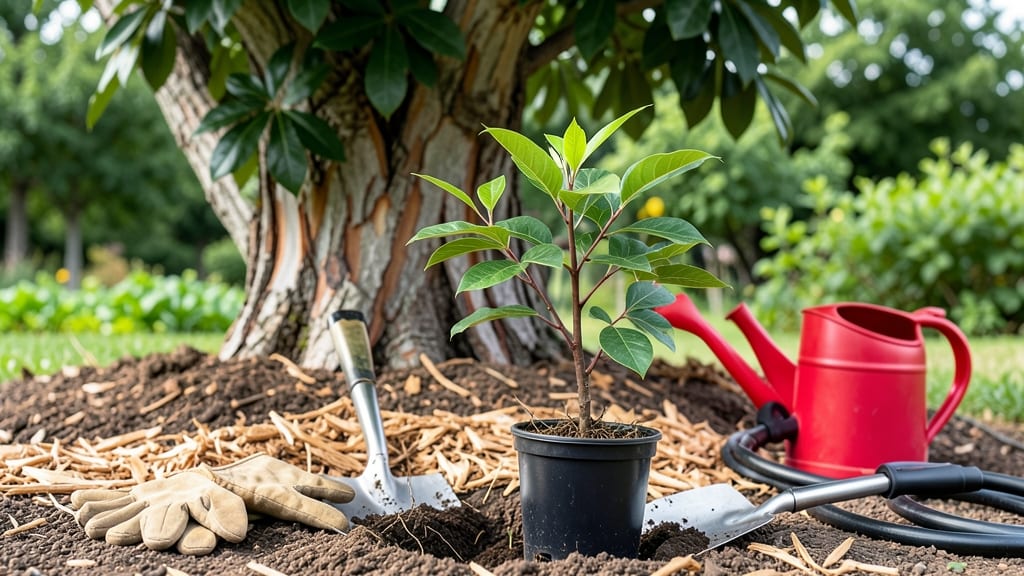
Planting your 🌸 crape myrtle at the right time in Oklahoma’s shifting seasons can make all the difference between a vibrant, long-lived tree and one that struggles to take root.
With Oklahoma’s 6b-7b zones bringing both early spring warmth and late fall surprises, timing your crape myrtle planting isn’t just about the calendar—it’s about reading the soil and sky.
Most gardeners know spring and fall are the prime windows, but here’s the catch: planting too early in spring risks late frosts, while late fall leaves roots vulnerable before winter.
I’ll break down exactly when to dig in—whether you’re in Tulsa’s cooler microclimate or southern Oklahoma’s hotter stretches—so your 🌸 crape myrtle thrives from day one.
Ready to skip the guesswork? You’ll discover the best months for your zone, how to prep soil for Oklahoma’s clay-heavy earth, and whether container planting gives you a head start. Let’s get those roots in the ground the right way.
No more second-guessing—just actionable steps to turn your yard into a showstopper with 🌸 crape myrtles that bloom year after year. Let’s make this your easiest, most successful planting season yet.
Oklahoma heat zones explained: best planting months for crape myrtles
Oklahoma’s USDA hardiness zones 6-8 create a unique challenge for crape myrtle growers, where scorching summers and late spring frosts can derail even the best-laid plans. These zones—ranging from northern Tulsa (6a) to southern Altus (8a)spring and fall offering the safest bets for root establishment.
Crape myrtles thrive in Oklahoma’s heat once established, but their delicate roots need protection during extreme temperature swings. In zones 6-7, fall planting is ideal, while zones 7-8 favor spring to avoid summer drought stress.
The key? Plant when soil temps hit 60°F+ and avoid late frosts (typically after March 15 in most areas).
Here’s how Oklahoma’s zones break down for crape myrtle success:
| Zone | Best Planting Window | Soil Temp Threshold | Key Risks | Pro Tip |
|---|---|---|---|---|
| 6a-6b (Northern OK) | Late April–May or September–early October | 60°F+ | Late frosts (after April 15) | Mulch heavily in fall |
| 7a-7b (Central OK) | March–April or September–October | 60°F+ | Summer drought stress | Use drip irrigation |
| 8a (Southern OK) | February–March or September–October | 65°F+ | Heat shock in early spring | Acclimate to sun gradually |
For northern Oklahoma (zones 6a-6b), like Tulsa or Oklahoma City, fall planting is your best bet—aim for September to early October when soil temps stay above 60°F. This gives roots time to establish before first frosts (mid-November), while avoiding summer’s brutal heat.
In central Oklahoma (zones 7a-7b), you’ve got flexibility: spring (March–April) or fall (September–October) both work, but spring lets you beat summer’s drought.
In southern Oklahoma (zone 8a), where cities like Lawton and Altus bake in summer, spring planting (February–March) is critical. The soil warms faster here, but young crape myrtles can suffer transplant shock if planted too early.
Wait until soil temps hit 65°F+ and avoid full sun for the first 2 weeks post-planting to prevent leaf scorch.
Oklahoma’s microclimates add another layer of complexity. Urban areas like Oklahoma City can be 5°F warmer than rural spots, while elevated gardens may experience earlier frosts. Check your local cooperative extension service for last-frost dates—this is non-negotiable for crape myrtle success.
For example, Tulsa’s last frost averages April 15, while Altus’s is closer to March 20.
If you’re container-growing crape myrtles, timing shifts slightly. Containers heat up faster in Oklahoma’s sun, so plant in late spring (May) or early fall (September) to avoid root rot from overheated soil.
Use lightweight, fast-draining mixes and elevate pots to improve airflow—this is especially critical in zones 7-8 where summer temps can exceed 100°F.
One common mistake Oklahoma gardeners make? Planting too late in fall. If you wait until October or later, roots won’t establish before winter, leaving your crape myrtle vulnerable to freeze damage.
Aim to plant 6-8 weeks before first frost—this gives roots 4-6 weeks to settle in before dormancy. In zone 6b, that means early September at the latest.
Pro tip: Test your soil’s moisture before planting. Oklahoma’s clay-heavy soils can suffocate roots if not amended. Mix in compost or peat moss to improve drainage, and mulch with 2-3 inches of wood chips to retain moisture and regulate soil temp. This is especially important in zone 8a, where summer droughts
Step-by-step fall planting guide for Oklahoma’s cooler regions
Fall is my favorite time to plant crape myrtles in Oklahoma’s zones 6-7, like Tulsa and Oklahoma City. The cooler temperatures and increased rainfall create perfect conditions for root establishment before winter.
If you’ve been waiting for the right moment, now’s your chance—just follow these steps to ensure your Lagerstroemia thrives.
Timing is critical in Oklahoma’s unpredictable climate. Plant your crape myrtle between mid-September and early October to give roots time to settle before the first frost, typically around mid-November. This window balances warm soil and cooler air, reducing transplant shock while avoiding summer’s brutal heat.
✅ Step-by-Step Fall Planting Guide for Crape Myrtles
- Choose the right variety: Select a dwarf (6-10 ft) or standard (15-30 ft) crape myrtle suited for your space. Popular picks include 'Natchez' (white blooms) or 'Tonto' (red blooms).
- Test and amend soil: Aim for 6.0-7.0 pH. Mix 2-3 inches of compost into the planting hole to improve drainage and fertility.
- Dig the hole: Make it twice as wide as the root ball but no deeper. Loosen the sides to encourage root spread.
- Plant at the right depth: Position the tree so the top of the root ball sits 1-2 inches above ground level to prevent rot.
- Water deeply: Soak the root zone with 5 gallons of water immediately after planting, then repeat every 3-5 days for the first month.
- Apply mulch: Spread 3 inches of mulch (pine straw or shredded bark) around the base, keeping it 6 inches away from the trunk to prevent moisture buildup.
- Stake if needed: Use one stake for trees over 10 ft tall, securing it loosely to avoid restricting growth.
After planting, focus on consistent moisture without overwatering. Crape myrtles hate soggy roots, so ensure your soil drains well. If your area experiences early frosts, cover young trees with burlap wraps to protect tender new growth.
Mulching is non-negotiable in Oklahoma’s dry winters. A 3-inch layer of mulch retains moisture, regulates soil temperature, and suppresses weeds. Just remember to pull it back as the tree matures to avoid girdling the trunk. By spring, your crape myrtle will reward you with vibrant blooms and sturdy growth.
Pro tip: Avoid fertilizing in fall—wait until early spring to apply a balanced 10-10-10 fertilizer. This prevents late-season growth that could be damaged by frost. With these steps, your crape myrtle will establish strong roots and become a showstopper in your landscape.
🌸