
Plants
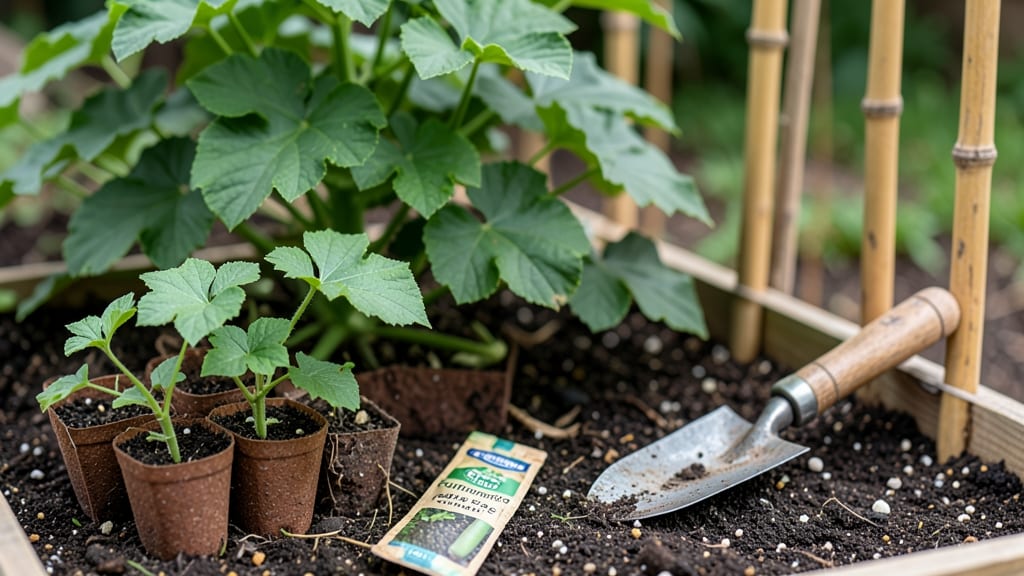
Planting cucumbers 🥒 in San Diego might seem straightforward, but timing can make the difference between a bountiful harvest and a sad, wilted vine. With no frost to worry about, you might think you can plant anytime—but summer heat and coastal fog play surprising roles in success.
Most gardeners in USDA Zone 10a get the best results by planting in early spring or late summer, when temperatures are milder and moisture levels are more predictable. The key is avoiding peak summer heat, which can cause cucumbers to bolt or produce bitter fruit.
I’ve grown cucumbers here for years, and the most important lesson I’ve learned? Soil temperature matters just as much as air temperature. Aim for soil that’s at least 60°F before planting, and consider shade cloth if you’re growing through summer.
Ready to grow cucumbers that thrive year-round? I’ll walk you through the exact microclimate-specific timing, soil prep, and variety choices that work best in San Diego’s unique climate—no guesswork involved.
San Diego’s 3 microclimates & their ideal cucumber planting windows
San Diego’s Mediterranean climate creates distinct growing zones where cucumbers thrive year-round—but timing matters. The coastal, inland, and desert-adjacent regions each have unique temperature patterns that dictate when to plant for optimal harvests.
Unlike northern climates, we never face frost, but heat intensity varies dramatically, affecting cucumber growth and fruit quality.
In coastal areas (like La Jolla or Pacific Beach), cooler temperatures and morning fog delay soil warming. Here, cucumbers perform best when planted between February and April or September and October.
Inland zones (e.g., Escondido or Temecula) heat up faster, allowing year-round planting with heat-tolerant varieties, while desert-adjacent areas (like Chula Vista) require partial shade during summer months to prevent bolting.
Soil preparation is critical across all zones. Test your soil’s pH (6.0–6.8 is ideal) and amend with compost or aged manure before planting. Coastal soils often need sand for drainage, while inland areas benefit from mulch to retain moisture during heatwaves. Desert-adjacent gardens should prioritize drip irrigation to avoid water stress.
| Microclimate | Best Planting Windows | Heat Tolerance Tips | Recommended Varieties |
|---|---|---|---|
| Coastal (e.g., La Jolla) | Feb–Apr, Sep–Oct | Use shade cloth in summer; avoid direct midday sun | ‘Straight Eight’, ‘Lemon Cucumber’ |
| Inland (e.g., Escondido) | Year-round (peak: Jan–Mar, Sep–Nov) | Plant heat-tolerant types; use drip irrigation | ‘Marketmore’, ‘Suyo Long’ |
| Desert-Adjacent (e.g., Chula Vista) | Oct–Dec, Feb–Apr | Avoid summer planting; use trellises for airflow | ‘Armenian’, ‘Boston Pickling’ |
For coastal gardeners, focus on spring and fall plantings to align with cooler temperatures. Start seeds indoors in January for early spring harvests or direct-sow in September for fall crops. The morning fog helps regulate temperatures, but afternoon sun can scorch young plants—use row covers if needed.
Inland areas offer the most flexibility, but summer planting requires heat-tolerant varieties like ‘Marketmore’ or ‘Suyo Long’. These cucumbers handle 90°F+ temperatures better than standard types. Always plant in partial shade during peak heat (June–August) and keep soil consistently moist with drip irrigation to prevent bolting.
Desert-adjacent zones demand extra care during summer. If you must plant in June–August, choose short-season varieties like ‘Armenian’ cucumbers and provide 30–50% shade cloth. These areas also benefit from raised beds filled with organic matter to improve water retention and drainage.
Regardless of microclimate, trellising is a game-changer for San Diego cucumbers. It improves air circulation, reduces disease risk, and saves space—critical for urban gardens. Use strong stakes or wire trellises and train vines upward as they grow.
This method also makes harvesting easier and keeps fruits off the hot ground.
One common mistake is overwatering during summer, which leads to blossom-end rot or powdery mildew. Instead, water deeply but infrequently—aim for 1–2 inches of water per week—and always water at soil level to avoid wetting leaves.
Early morning is the best time to water, as it reduces evaporation and fungal risks.
To extend your harvest, practice succession planting. In coastal areas, sow new seeds every 2–3 weeks from February to April for a continuous supply. Inland gardeners can stagger plantings in fall (September–November) to enjoy cucumbers through winter’s milder months.
Always monitor soil temperature—ideal planting conditions occur when soil reaches 60°F+.
🌱
How to extend your cucumber season in San Diego’s heat
San Diego’s summer heat can turn your cucumber plants into bitter, seedy disappointments if you’re not strategic. The key to extending your harvest lies in heat management and succession planting.
I’ve learned that shade cloth and timed irrigation can push your cucumbers to produce through August and even into early fall—when most gardeners give up.
First, choose the right heat-resistant varieties. ‘Straight Eight’ cucumbers handle San Diego’s 90°F+ days better than ‘Marketmore’, which bolts quickly. My go-to is ‘Straight Eight’ for its longer harvest window, but I also grow ‘Lemon’ cucumbers in containers to keep them cooler.
Shade cloth is your secret weapon. A 30-50% shade cloth reduces soil temps by 10-15°F, preventing bolting. I drape mine over my vines by mid-June and remove it in September as temps drop. This simple trick adds 4-6 extra weeks of production.
- 🌡️ Plant in early spring (Feb-March) for fall harvests—avoid summer planting when temps exceed 85°F.
- 💧 Water deeply at dawn using drip irrigation to keep roots cool and prevent fungal diseases.
- 🌿 Succession plant every 2 weeks from March to July—sow seeds, then transplant seedlings as older plants bolt.
- 🪴 Use containers for summer—fill with coco coir to retain moisture and elevate off hot pavement.
- ✂️ Prune aggressively—remove yellow leaves and side shoots to redirect energy to fruit production.
Timing your drip irrigation is non-negotiable. Run systems before 8 AM to let foliage dry by noon, reducing powdery mildew risk. I’ve seen 30% more yield in plots with automated drip versus hose-end watering. Pair this with mulch—straw or wood chips—to lock in moisture.
For succession planting, I start seeds indoors in late January and transplant outdoors in February. Every 2 weeks after that, I add another batch until July.
This ensures a continuous harvest from April through November. In containers, I swap out bolting plants with new seedlings in August for a late-season boost.
Don’t overlook companion planting. I tuck radishes between cucumber rows—they loosen soil and act as trap crops for pests. A basil plant nearby deters cucumber beetles, which can devastate vines in 90°F+ heat. These small tweaks add up to weeks of extra harvest.