
Plants
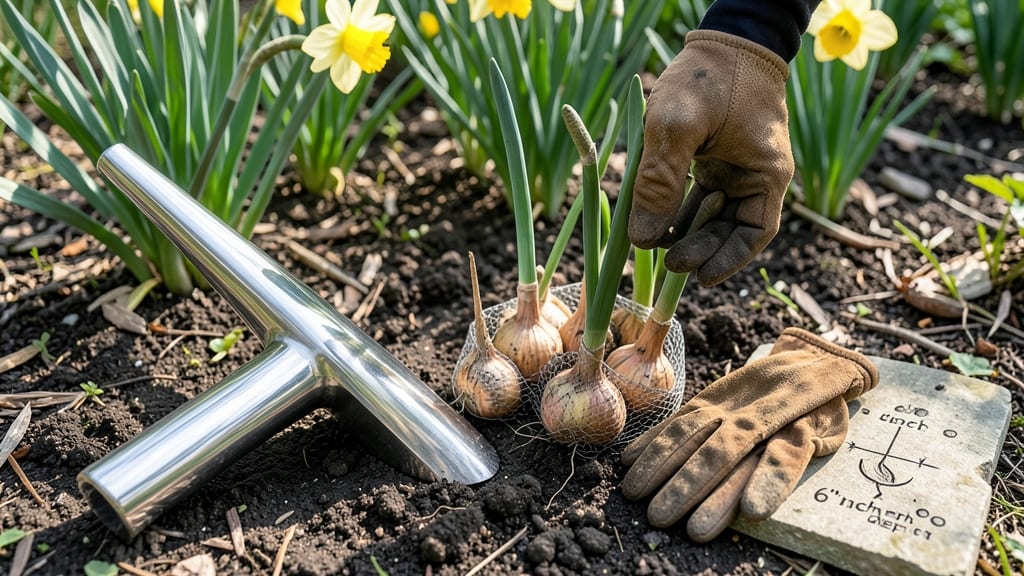
Planting daffodils in North Carolina isn’t just about tossing bulbs into the ground—it’s about catching that 6-week window between September and November when roots can establish before winter sets in. Miss it, and your 🌼 might struggle to bloom next spring, leaving you with fewer flowers and weaker growth.
Here’s the secret: cooler soil temperatures (below 60°F) trigger bulb dormancy, which is critical for root development. In zones 6b-8a, that means starting as early as late September in the mountains or waiting until mid-October in the coastal plains.
But timing isn’t just about the calendar—it’s also about avoiding early frosts that can damage tender roots.
I’ve learned the hard way that planting too early risks sprouting before winter, while waiting too late can leave bulbs vulnerable to frost heave. The sweet spot?
Aim for 6-8 weeks before the ground freezes—typically between late September and mid-November. This gives your daffodils the head start they need to thrive.
Ready to get it right? I’ll walk you through how to adjust for your specific NC region, prep your soil, and ensure your daffodils come back stronger every year. Let’s make next spring your most vibrant yet.
NC’s ideal daffodil planting window: 6-Week timeline for root establishment
North Carolina’s fall planting window for daffodils is your golden opportunity to establish strong roots before winter. The 6-week window from late September to mid-November aligns perfectly with the state’s USDA zones 6-8, giving bulbs time to root before the ground freezes.
Plant too early, and you risk premature sprouting—plant too late, and roots won’t have time to anchor before frost. Let’s break down the critical timeline to ensure your daffodils thrive next spring.
Your planting window starts when soil temperatures drop to 60°F (15°C)—the ideal temperature for root growth. In North Carolina, this typically occurs in late September across most regions. The 6-week countdown ends when the ground freezes, usually by mid-November in Zone 6 and early December in Zone 8.
This window ensures bulbs establish roots but don’t sprout too soon, which could lead to frost damage.
Here’s the key: Soil temperature is your best guide, not just the calendar. Use a soil thermometer to confirm when temps consistently stay below 60°F (15°C).
In the Piedmont region (Zone 7), this often happens around October 1, while the Coastal Plains (Zone 8) may wait until October 15. The Mountains (Zone 6) can start as early as September 20 due to cooler temperatures.
Daffodils need 6-8 weeks to establish roots before winter dormancy. Planting too early (before late September) risks early sprouting, which can be damaged by fall frosts or winter freezes.
Planting too late (after mid-November) means roots won’t have enough time to grow before the ground freezes, leading to weak or no blooms next spring. The sweet spot is planting when soil temps are 50-60°F (10-15°C)—this balances root growth and frost protection.
| Stage | Action | Soil Temp | NC Zone Timing |
|---|---|---|---|
| Pre-Plant Prep | Test soil pH (6.0-7.0) | 65-75°F (18-24°C) | Late August - Early Sept |
| Planting Window | Plant bulbs 6-8" deep | 50-60°F (10-15°C) | Late Sept - Mid Nov |
| Root Establishment | Water deeply after planting | 40-50°F (4-10°C) | Oct - Early Dec |
| Frost Protection | Mulch with 2-3" organic mulch | Below 40°F (4°C) | Mid Nov - Dec |
| Spring Bloom Prep | Remove mulch in early spring | Above 50°F (10°C) | Feb - March |
In Zone 6 (Mountains), where winters are colder, aim to plant by October 15 to avoid early frosts. The Piedmont (Zone 7) has a slightly longer window, with late September to early November being ideal.
Meanwhile, the Coastal Plains (Zone 8) can extend planting until mid-November due to milder winters. Always check your local first frost date—planting 6-8 weeks before ensures roots establish before dormancy.
One common mistake is planting daffodils too early, especially in Zone 8. If you plant in August, bulbs may sprout before winter, only to be killed by fall frosts. Instead, wait until soil temperatures drop below 65°F (18°C).
Use a soil thermometer to monitor—this is your best tool for precision planting. For example, in Raleigh (Zone 7b), I’ve found that planting after October 1 gives bulbs enough time to root before the November 15 frost date
How to adjust planting dates by NC region for best results
North Carolina’s three distinct regions—Coastal Plains (Zone 8), Piedmont (Zone 7), and Mountains (Zone 6)—each have unique frost patterns that dictate when to plant daffodils.
In the Coastal Plains, milder winters mean you can plant as late as mid-November, while the Mountains demand earlier planting by late September to avoid early frosts. Even within these zones, microclimates like elevation or urban heat islands can shift your ideal window by weeks.
For example, a high-elevation garden in the Blue Ridge Mountains (Zone 6b) might need bulbs in the ground by September 20th, while a lowland garden in Wilmington (Zone 8a) can wait until November 15th.
Urban areas with heat islands may also extend your planting window slightly, but don’t rely on it—soil temperature, not air temperature, is the real trigger for root growth.
Here’s how I adjust for each region, including key dates and microclimate tweaks to maximize your daffodils’ success:
In the Coastal Plains, where winters are the mildest, I often push planting to mid-November—but only if your soil hasn’t frozen. Use a soil thermometer to confirm temperatures are below 60°F before planting.
In Zone 8a, daffodils can even handle light frosts once established, giving you more flexibility. However, if you’re in a heat island (like downtown Raleigh), your soil may stay warmer longer, so monitor closely.
For the Piedmont, aim for mid-September to early November, but adjust upward if you’re above 1,000 feet in elevation. The Blue Ridge Escarpment can bring sudden cold snaps, so I recommend planting by October 15th in these areas.
A trick I’ve used? Plant earlier in north-facing beds, which cool faster than south-facing spots.
In the Mountains (Zone 6b), time is critical—plant by late September to avoid frost heave. At higher elevations (like Asheville’s outskirts), I’ve seen daffodils fail entirely if planted after October 1st.
Here, mulching with straw after planting adds an extra 2-3 weeks of frost protection, which can be a lifesaver for late plantings.
No matter your region, always plant daffodils 6-8 inches deep and 6 inches apart for optimal airflow. This spacing reduces disease risk and makes it easier to spot early sprouts—a sure sign you planted too early.
With these regional tweaks, your daffodils will reward you with bold, early blooms next spring.