
Plants
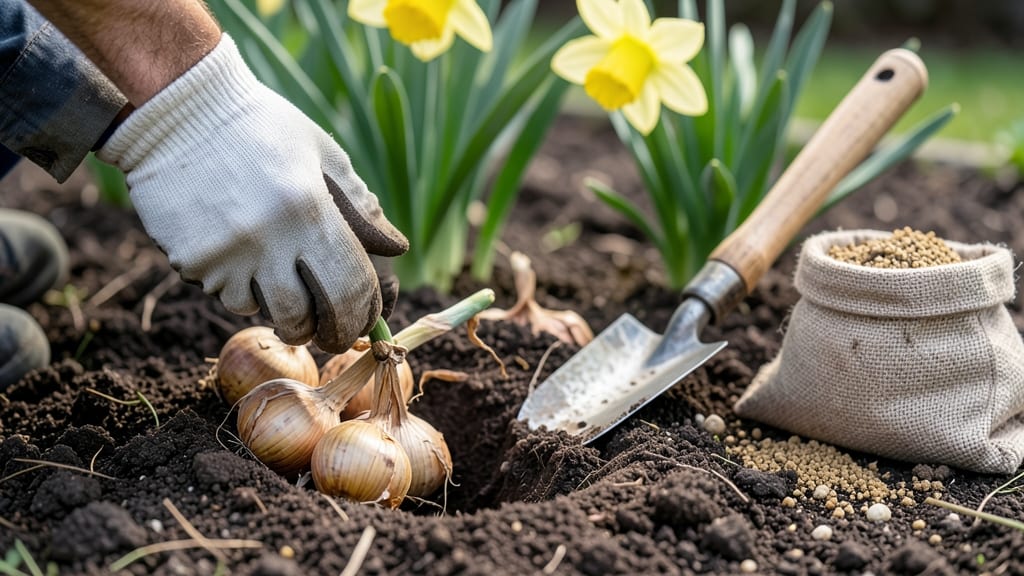
Planting daffodils in Oklahoma at the wrong time can mean frost-damaged bulbs and missed spring blooms—but getting the timing right guarantees those cheerful 🌼 faces popping up every March.
The key is to plant 6-8 weeks before your first hard frost, which in Oklahoma’s 6a-8a zones typically lands between mid-October and early November.
Why fall? Daffodil bulbs need time to establish roots before winter sets in, and Oklahoma’s unpredictable freezes make spring planting risky. If you wait too late, those tender roots won’t have a chance to anchor before the ground freezes solid.
But if you plant too early, warm soil can trigger premature growth—leaving them vulnerable to cold snaps.
I’ve learned the hard way that soil temperature matters more than dates—aim for 60°F or cooler before digging. In northern Oklahoma, that might mean waiting until late October, while southern regions can plant as early as mid-September.
The goal? Give those bulbs enough time to root without waking up too soon.
Once you’ve nailed the timing, the rest is easy: 6-inch depth, well-draining soil, and a little mulch to protect them from winter’s worst. Trust me, those few weeks of perfect prep will pay off with bold, early blooms that outshine every other spring flower.
Let’s get those daffodils in the ground the right way.
Optimal fall planting window for Oklahoma daffodils (with frost zone breakdown)
Oklahoma’s USDA Zones 6a-8a create a unique challenge for daffodil growers—too early, and bulbs rot; too late, and frost stunts growth.
The key is planting when soil temps drop below 60°F but before the first hard frost, which typically arrives mid-November in northern Oklahoma and early December in southern regions. This timing ensures roots establish before winter dormancy.
For northern Oklahoma (Zones 6a-7a), aim for mid-October to early November. Southern Oklahoma (Zones 7b-8a) has more flexibility, with late October to mid-November being ideal.
The goal is to plant 4-6 weeks before ground freezes—this gives bulbs time to root deeply while avoiding early frost exposure that can damage tender shoots.
Soil temperature is your best indicator: daffodils thrive when planted in 50-60°F soil. Use a soil thermometer to check—if temps are consistently below 50°F, it’s time to plant. In Oklahoma’s variable climate, this often means late October for most regions, but always verify with your local Cooperative Extension Service for precise frost dates.
Here’s how Oklahoma’s two distinct regions differ in planting windows, along with critical frost dates and soil prep tips to maximize bulb success:
If you miss the fall window, spring planting is possible but less reliable—daffodils planted in February or March may bloom later or not at all. The 6-8 week root establishment period before winter is critical for bulb survival, so don’t wait until soil warms in spring.
For container-grown daffodils, you can plant up to January, but they’ll need winter protection.
Oklahoma’s clay-heavy soils can delay soil cooling, so test with a thermometer before planting. If soil temps are still above 60°F in late October, wait a week or two—rushing leads to rot.
Amend clay soils with compost or sand to improve drainage, which is especially important in low-lying areas where cold air pools.
One common mistake is planting too shallow—daffodils need 6-8 inches of soil cover for protection. In northern Oklahoma, where winters are harsher, increase depth to 8-10 inches.
Use a trowel or bulb planter to ensure consistent depth, and space bulbs 4-6 inches apart for optimal airflow and reduced disease risk.
After planting, water deeply to settle soil around bulbs, then apply 2-3 inches of mulch (straw or shredded leaves work well). This insulates bulbs from temperature fluctuations and prevents heaving during freeze-thaw cycles. In windy western Oklahoma, add a lightweight row cover for extra protection during early winter.
Monitor your garden for early sprouts in late winter—if shoots emerge before last frost date (around March 15), protect them with frost cloth or a cloche. Once foliage appears, avoid fertilizing until after blooming, as daffodils store energy in their bulbs during
Signs your Oklahoma soil is ready for daffodil bulbs (and how to fix common mistakes)
Perfect soil conditions mean the difference between daffodils that thrive and ones that rot or fail to bloom. In Oklahoma, our clay-heavy soils and drought-prone areas demand extra attention before planting.
The right soil temperature, moisture balance, and drainage create the ideal environment for daffodil bulbs to establish roots before winter. Here's how to tell if your soil is ready—and what to do if it's not.
First, check the soil temperature at a depth of 6 inches. Daffodil bulbs need soil temps between 50-60°F to start rooting. In Oklahoma, this typically happens in late September to early October in northern zones, and October to early November in southern areas.
Stick a soil thermometer into the ground—if it's cooler than 50°F, wait a few weeks before planting.
Next, assess moisture levels. Press your finger into the soil about 2 inches deep. It should feel moist but not soggy. Oklahoma's clay soils often retain too much water, which can suffocate bulbs.
If your soil feels damp longer than 24 hours after rain, it's time to amend with compost or sand to improve drainage. Aim for soil that drains within 4-6 hours of watering.
⚠️ WARNING: Planting Too Early or Too Late in Oklahoma Daffodils planted before soil cools (below 50°F) risk rotting, while planting too close to frost (within 4-6 weeks) means bulbs won't establish roots. Oklahoma's average first frost is November 15, but western regions can freeze 2-3 weeks earlier.
Use this rule: Plant bulbs 6-8 weeks before your area's first frost date. For northern Oklahoma (Zone 6a), that's mid-September to early October. Southern Oklahoma (Zone 7b-8a) can wait until October to early November.
If your soil has poor drainage, create raised beds or plant bulbs on a slight slope to prevent water pooling. Oklahoma's clay soils often compact easily, so loosen the top 12 inches with a garden fork before planting.
Mix in 2-3 inches of compost or well-rotted manure to improve structure and fertility. Avoid fresh manure, which can burn bulbs and attract pests.
Finally, test for pH balance. Daffodils prefer slightly acidic to neutral soil with a pH of 6.0-7.0. Oklahoma soils tend to be alkaline (pH 7.5+), which can stunt bulb growth.
If your soil test shows a pH above 7.0, add sulfur or peat moss to lower it gradually. Never adjust pH drastically in one season—aim for small changes over time.
With the right soil prep, your daffodils will bloom reliably year after year, even in Oklahoma's challenging climate. The key is acting when the soil is cool but workable, well-draining, and moist but not waterlogged.
Once planted, a 2-3 inch layer of mulch will protect bulbs from temperature swings and retain moisture through winter.