
Plants
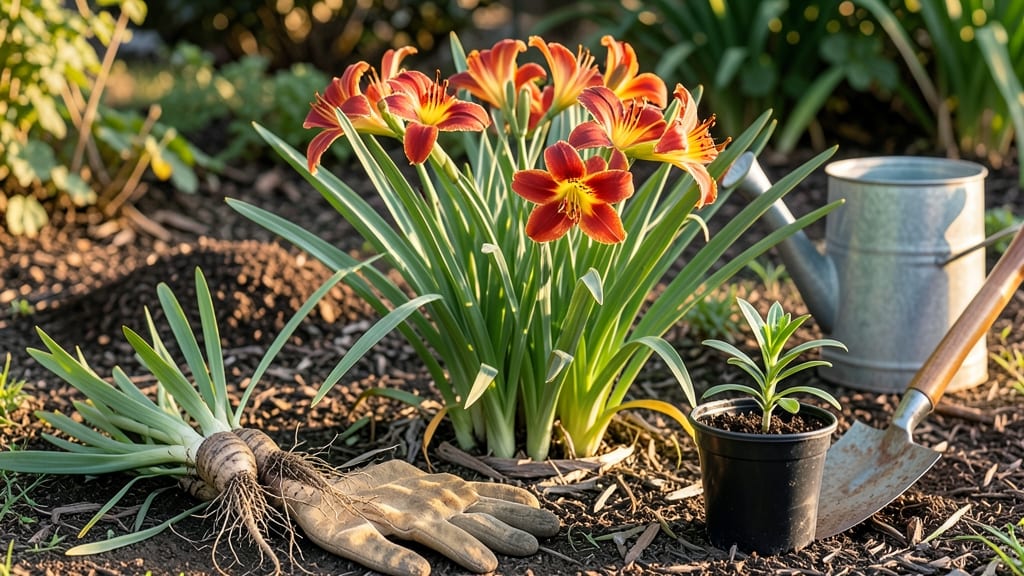
Planting daylilies in Texas at the wrong time can leave your garden looking sparse and struggling—but get the timing right, and you’ll unlock bold, long-lasting blooms that thrive even in the heat.
The key is late winter, when the soil warms just enough to help roots establish before the Texas sun kicks in.
Most gardeners in USDA zones 8a-11 (like central or Gulf Coast Texas) should aim for February to early March, avoiding both the lingering chill of January and the scorching summer ahead. This window gives daylilies 🌸 the perfect head start, ensuring they burst into color just as spring arrives.
Why does this matter? Daylilies planted too early may rot in cold soil, while those planted too late can wilt under summer’s intensity. I’ll show you exactly how to time it right—plus soil prep tricks and heat-resistant varieties that keep blooming all season.
Ready to transform your Texas garden into a vibrant display? Let’s dive into the secrets of planting daylilies for maximum impact and minimal stress.
Best late winter planting months for Texas daylilies (and why)
Planting daylilies (Hemerocallis) in late winter gives them a head start before Texas’s brutal summer heat arrives. The ideal window spans February through mid-March, but exact timing depends on your USDA hardiness zone and microclimate.
In North Texas (Zone 7b-8a), aim for late February to early March—after the last average frost date. Meanwhile, South Texas (Zone 9a-10a) gardeners can plant as early as mid-February, since frost risks are minimal.
Soil temperature is your best guide: Wait until the ground warms to at least 55°F (13°C). Cold soil slows root growth, leaving plants vulnerable to early spring heat stress.
Use a soil thermometer to check—this simple tool prevents costly mistakes. In West Texas (Zone 7b-8a), where nights stay chilly longer, delay planting until mid-March to avoid frost damage.
Texas’s diverse climate means one-size-f’timing doesn’t fit all. For example, East Texas (Zone 8a) can plant in early February, while El Paso (Zone 7b) should wait until late March. Even within cities, urban heat islands (like downtown Houston) can push planting dates 1-2 weeks earlier than rural areas.
Always scout your yard’s microclimates—shady spots stay cooler longer and may need delayed planting.
| Texas Region | USDA Zone | Best Planting Window | Soil Temp Threshold | Frost Risk |
|---|---|---|---|---|
| North Texas | 7b-8a | Late Feb–Early March | 55°F (13°C) | High (Jan 15) |
| Central Texas | 8a-8b | Mid-Feb–Mid-March | 55°F (13°C) | Moderate (Feb 15) |
| South Texas | 9a-10a | Mid-Feb–Early March | 60°F (16°C) | Low (Jan 1) |
| West Texas | 7b-8a | Late March | 60°F (16°C) | High (Nov 15) |
| East Texas | 8a | Early Feb–Mid-March | 55°F (13°C) | Moderate (Jan 20) |
Miss the late-winter window? Don’t panic—daylilies are tough plants. You can still plant in early April, but expect delayed blooms and potential heat stress during Texas’s peak summer. For reblooming varieties (like 'Stella de Oro'), late-winter planting ensures longer bloom seasons by establishing roots before the heat.
Pro tip: Mulch heavily after planting to retain moisture and protect roots from temperature swings.
Texas’s unpredictable weather—like sudden March freezes or April heatwaves—can throw off even the best-laid plans. To hedge your bets, plant in stages: Start with 1/3 of your daylilies in February, another third in early March, and the final third in mid-March.
This staggered approach ensures continuous blooms and minimizes losses if an unusual cold snap hits. For container-grown daylilies, delay planting until mid-March to avoid root-bound stress from warm soil.
One common mistake I see? Planting too early in hopes of a longer growing season. Daylilies planted in January often rot in cold, wet soil or get frost-nipped. Always check the National Weather Service’s 10-day forecast before digging.
If nighttime lows dip below 32°F (0°C), cover new plantings with frost cloth for the first week. In South Texas, where frost is rare, focus on soil prep—amend heavy clay with sand or peat moss to improve drainage before planting.
For urban gardeners, city heat can push planting dates 1-2 weeks earlier than rural areas. If you’re in Austin or Dallas, monitor your yard’s microclimate: A south-facing bed may warm up faster than a north-facing one. Test your
How to prepare daylily roots for Texas planting (step-by-step)
Preparing daylily roots (Hemerocallis) for Texas planting is key to avoiding root rot and ensuring vigorous blooms. Texas’s heavy clay soils and intense summer heat demand extra care—start with a thorough root inspection and soil amendments to mimic ideal growing conditions.
Daylilies thrive in well-draining soil with a slightly acidic to neutral pH (6.0–7.0).
Texas gardeners often amend heavy clay with sand or peat moss to improve aeration, while sandy soils benefit from organic matter like compost. Spacing is critical too—plant crowns 18–24 inches apart to prevent overcrowding and fungal diseases.
Here’s your step-by-step guide to preparing daylily roots for Texas planting, from root checks to post-planting care:
Avoid common Texas mistakes like planting in waterlogged areas or skipping soil amendments. Overwatering new daylilies can lead to root rot, while poor drainage in clay soils stunts growth. Monitor soil moisture—stick your finger 2 inches deep; water only if dry.
With proper root prep and Texas-specific care, your daylilies will establish quickly and reward you with bold blooms from spring through summer. Happy planting! 🌸