
Plants
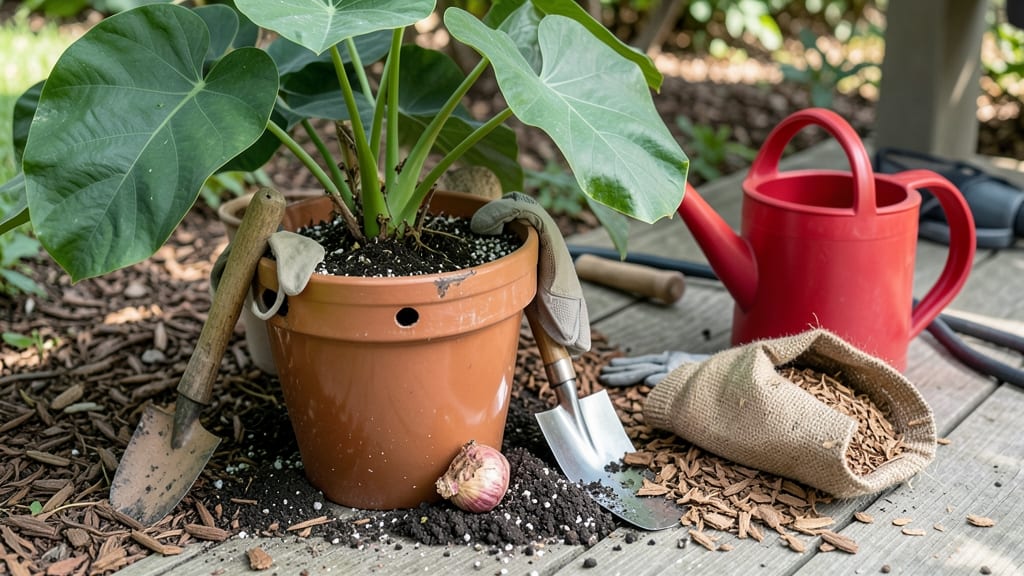
Planting your Elephant Ear 🌿 bulbs in pots at the wrong time can mean the difference between stunning foliage and a sad, wilted mess. The key to success lies in waiting for that perfect moment when soil warmth and frost-free days align—typically after your last frost date in spring.
For gardeners in USDA Zone 6a (like me!), that usually means mid-April or later, when temperatures consistently stay above 60°F (15°C). But here's the catch: if you plant too early, those tubers can rot in cold soil, while waiting too long might stunt their growth before summer's heat arrives.
Container-grown Elephant Ears need special attention—drainage holes, well-draining soil, and the right light balance. Whether you're treating them as annuals or trying to overwinter tubers, timing matters more than you might think. Let me show you exactly how to get it right.
From staggered planting to climate adjustments, we'll cover everything you need to know to keep your Elephant Ear 🌿 thriving all season long—no guesswork required.
Best planting times for elephant ear bulbs in pots by USDA Zone
Elephant ear bulbs (Colocasia) are tropical divas that demand warmth to thrive—especially when grown in pots. Unlike in-ground plantings, container-grown tubers face rapid soil temperature changes and limited insulation, making timing critical.
Plant too early in cooler zones (3-6), and your tubers will rot from cold soil; too late in hot zones (8-11), and you’ll miss peak summer growth. The key? Wait until soil reaches 60°F (15°C) and all frost risk has passed.
In USDA zones 3-6, elephant ears are best treated as annuals in pots—their tubers rarely survive winter outdoors, even with protection. For zones 7-11, you can attempt overwintering tubers indoors, but timing still matters to avoid heat stress or premature dormancy.
Below, I’ve broken down the ideal planting windows by zone, including frost-free dates and soil warmth thresholds to help you nail the perfect moment.
| USDA Zone | Planting Window | Soil Temp Threshold | Key Considerations |
|---|---|---|---|
| Zones 3-4 | Mid-May to early June | 60°F (15°C) minimum | Treat as annuals; use black pots to absorb heat |
| Zones 5-6 | Late April to mid-May | 60°F (15°C) minimum | Stagger plantings every 2 weeks for extended blooms |
| Zones 7-8 | Early April to early May | 55°F (13°C) minimum | Can overwinter tubers indoors; plant early to avoid summer heat stress |
| Zones 9-11 | February to March | 50°F (10°C) minimum | Plant in partial shade to prevent leaf scorch; mulch heavily |
For zones 3-6, I recommend waiting until after your last frost date and confirming soil warmth by sticking a soil thermometer 2-3 inches deep. In my Zone 5 garden, I’ve found that planting mid-May gives tubers enough time to establish roots before summer heat arrives.
If you’re eager to start earlier, consider pre-warming pots by placing them in a sunny spot for a week before planting.
In warmer zones (7-11), you can plant as early as February, but be cautious of late winter rains that can cause tuber rot. I’ve had success in Zone 9 by planting in early March and moving pots to partial shade once temperatures exceed 85°F (29°C).
This prevents the leaf scorch that’s common when elephant ears get too much midday sun in hot climates.
One pro tip I swear by: use glazed pots in cooler zones to retain heat. Unglazed terracotta pots cool too quickly, while black plastic containers absorb heat faster. For zones 3-6, I also add a 1-inch layer of mulch around the base to insulate the tubers.
In zones 9-11, reflect mulch (like white pebbles) helps deflect excess heat from the pot’s surface.
If you’re in a transitional zone (6-7), consider staggered planting—start with a few tubers in early April and add more every 2 weeks. This extends your display season and ensures you always have fresh growth.
Just remember: elephant ears hate cold feet, so avoid planting in pots that sit on concrete or pavement, which can draw heat away from the roots.
For overwintering tubers in zones 7-11, dig up tubers after the first frost and store them in dry peat moss at 50-60°F (10-15°C). I’ve successfully overwintered mine in a garage with a window for natural light.
In zones 3-6, it’s easier to treat them as annuals and replace tubers each spring—they’re affordable and widely available.
Finally, don’t rush to plant if your pots are still cold. Even in Zone 10, a sudden cold snap can shock tubers. I once planted too early in March and lost half my tubers to root rot—a lesson I’ll never forget! Always
How light needs affect your planting schedule for container-grown elephant ears
Elephant ear bulbs (Colocasia) are sensitive to light conditions, and their planting schedule must adapt based on your garden's sun exposure. Unlike in-ground plantings, containers heat up faster, which can stress tubers if planted too early in hot locations.
Understanding your space's sun intensity and pot placement will determine whether you plant in early spring or wait until summer.
In full shade gardens, you can plant elephant ear bulbs as early as late winter (when soil temps reach 55°F/13°C) because the tubers won't overheat.
However, in partial sun or full sun locations, delay planting until after the last frost date when nighttime temps stay above 60°F (15°C) to prevent heat stress in containers.
- 1 Full Shade (0-3 hours sun): Plant tubers 4-6 weeks earlier (late winter) since pots won't overheat. Ideal for north-facing patios or under tree canopies.
- 2 Partial Shade (3-6 hours sun): Wait until 2 weeks after last frost when soil reaches 60°F (15°C). Use light-colored pots to reduce heat absorption.
- 3 Partial Sun (6+ hours sun): Delay planting until after Memorial Day in hot zones (USDA 8+) to prevent pot overheating. Elevate pots on feet or saucers for airflow.
- 4 Indoor Starter Pots: Begin tubers indoors 6-8 weeks before outdoor move under grow lights (12-14 hours/day). Transition outdoors gradually to avoid sunburn shock.
For outdoor containers, morning sun with afternoon shade is ideal—this prevents the soil from drying out too quickly while giving plants enough light to thrive.
If your patio gets intense afternoon sun, consider using 50% shade cloth during peak hours (12 PM–4 PM) to protect young foliage from leaf scorch.
Indoor growers should note that elephant ears planted in pots for indoor decoration can be started earlier (as early as February) under grow lights, but they’ll need 12+ hours of light daily to prevent leggy growth.
Transition these plants outdoors in late spring once nighttime temps stay above 50°F (10°C).
Pro tip: If you live in a hot climate (USDA 9-11), plant elephant ear bulbs in early summer (June) to avoid the hottest months when containers can reach dangerous temps. Mulch pots with 3 inches of straw to regulate soil temperature and retain moisture.
Adjust your schedule based on your local microclimate—a north-facing balcony may support earlier planting than a south-facing deck. Always check the back of your bulb package for variety-specific light needs, as some Alocasia varieties tolerate less sun than classic Colocasia types.