
Plants
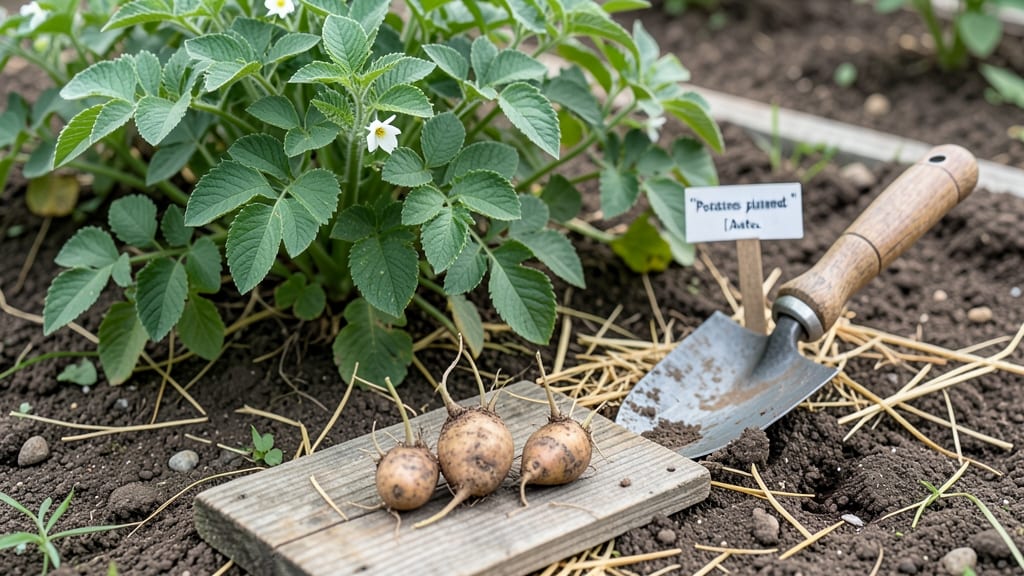
Planting fall potatoes in Oklahoma isn't just about throwing seed potatoes into the dirt—it's about timing them perfectly to beat the heat and outsmart the frost.
With Oklahoma's 6a-8a climate, you've got a narrow window between late August and early September to get them in the ground, or risk either scorched tubers or a harvest stolen by early cold snaps.
Most gardeners make one of two mistakes: planting too early when the soil's still baking hot, or waiting too long and missing the sweet spot before temperatures drop.
I've learned the hard way that soil temperature is the real game-changer—aim for 60-70°F—and that's why I've tracked the ideal dates for each Oklahoma zone to give you the exact schedule you need.
But here's the secret most guides skip: how you space those seed potatoes can mean the difference between a mediocre harvest and a bountiful one. We're talking proper row spacing, hill formation, and even which varieties thrive best in Oklahoma's clay-heavy soil.
Let me show you exactly how to maximize your yield without wasting precious garden space.
Ready to dig in? I'll walk you through the complete process—from soil prep to harvest timing—so you can enjoy homegrown potatoes that taste fresher than anything you'll find at the store. Let's make this your most successful 🥔 season yet.
Best planting dates for fall potatoes in Oklahoma’s climate zones
Oklahoma’s USDA Zones 6-8 create a perfect window for fall potato growth, but timing is critical. Plant too early, and your tubers develop heat stress or bolt prematurely.
Too late, and early frosts ruin your harvest before maturity. The sweet spot? Late August to early September—when soil temps drop below 80°F but before first frost arrives.
I’ve grown potatoes across Oklahoma’s zones for years, and I’ve learned that soil temperature is the #1 factor. Potatoes thrive when soil is between 50-65°F—too hot, and they rot; too cold, and they fail to sprout.
In Zone 6a, aim for August 15-31; in Zone 7a-8a, stretch your window to September 1-15.
Here’s the exact breakdown you need, including frost risk and harvest windows by zone:
Pro tip: Use a soil thermometer to confirm temps before planting. Oklahoma’s clay-heavy soils retain heat longer, so test in the late afternoon for accuracy. If soil temps hover above 70°F, wait 1-2 weeks—your potatoes will thank you with fewer diseased tubers.
For early varieties like Yukon Gold (90-day maturity), you can push planting to mid-September in Zones 7b-8a. Just monitor weather forecasts for unseasonable cold snaps—a single 28°F night can kill exposed foliage and damage tubers near the surface.
I once planted Red Pontiac in late August in Zone 7a and harvested 12 lbs per plant by early November. The secret? Mulching with straw to insulate soil and watering deeply every 5-7 days. Avoid overhead watering after late afternoon—Oklahoma’s humidity fuels blight faster than you’d think.
If you’re in Zone 6a, consider row covers for an extra 2-3 weeks of growth. I’ve extended harvests by 20 days using lightweight fabric—just secure it before first frost hits. Remove covers during the day to prevent heat buildup.
Remember: Potatoes need 90-120 days to mature. If you plant September 15 in Zone 7b, aim to harvest by December 15—but don’t wait that long! Dig a few test tubers at 90 days to check size. Small but firm potatoes? Time to harvest before frost sets in.
For late-season varieties like Kennebec (120-day maturity), stick to August planting in all zones. These need the full growing season, and frost-sensitive foliage won’t recover once damaged. Cure harvested tubers in a cool, dark place (5
Optimal seed spacing for Oklahoma’s fall potato varieties
Oklahoma’s clay-heavy soils and fall humidity demand precise seed spacing to prevent disease and maximize yields. Crowded potatoes invite blight and rot, while over-spaced plants waste garden space. Varieties like Yukon Gold and Red Pontiac have different needs—here’s how to get it right for your Oklahoma patch.
Start with certified seed potatoes cut into 1.5-inch chunks with at least two eyes each. Let them cure for 24 hours to form calluses, reducing rot risk in Oklahoma’s damp soils.
Planting depth matters too: 4 inches deep ensures tubers form above the soil line, protecting them from late-season frost.
| Variety | Row Spacing (inches) | Plant Spacing (inches) | Yield Potential | Soil Adaptation |
|---|---|---|---|---|
| Yukon Gold | 30-36 | 12-15 | High (buttery texture) | Needs well-drained beds |
| Red Pontiac | 24-30 | 10-12 | Very high (disease-resistant) | Tolerates clay with compost |
| Russet | 36-40 | 15-18 | Moderate (large tubers) | Requires loose soil |
| Fingerling (e.g., Purple Viking) | 18-24 | 6-8 | High (small but prolific) | Great for containers |
For Oklahoma’s windy conditions, orient rows north-south to reduce wind damage and improve air circulation. This also helps prevent late blight, a common issue in humid fall weather.
Space rows 30-36 inches apart for easy access and to accommodate hilling—adding soil as plants grow to protect tubers from green light exposure (which turns them toxic).
Amend clay soils with compost or sand to improve drainage, especially for Yukon Gold and Russet varieties. Test your soil’s pH—aim for 5.0-6.5—and add lime if needed. Oklahoma’s fall rains can leach nutrients, so side-dress with balanced fertilizer (10-10-10) when plants flower to boost tuber production.
Thin seedlings to the recommended spacing 3-4 weeks after sprouting, keeping the strongest plants. This reduces competition for water and nutrients, ensuring larger yields. In Oklahoma’s Zone 7-8, aim to harvest by mid-November before hard frosts set in—proper spacing makes digging easier and minimizes bruising.
Mulch rows with straw or grass clippings to retain moisture and suppress weeds, which thrive in Oklahoma’s warm fall soils. Avoid plastic mulch—it traps heat and can stress plants.
With the right spacing and care, your fall potato patch will deliver a bounty of crisp, disease-free tubers ready for storage or the table. 🌱