
Flowers
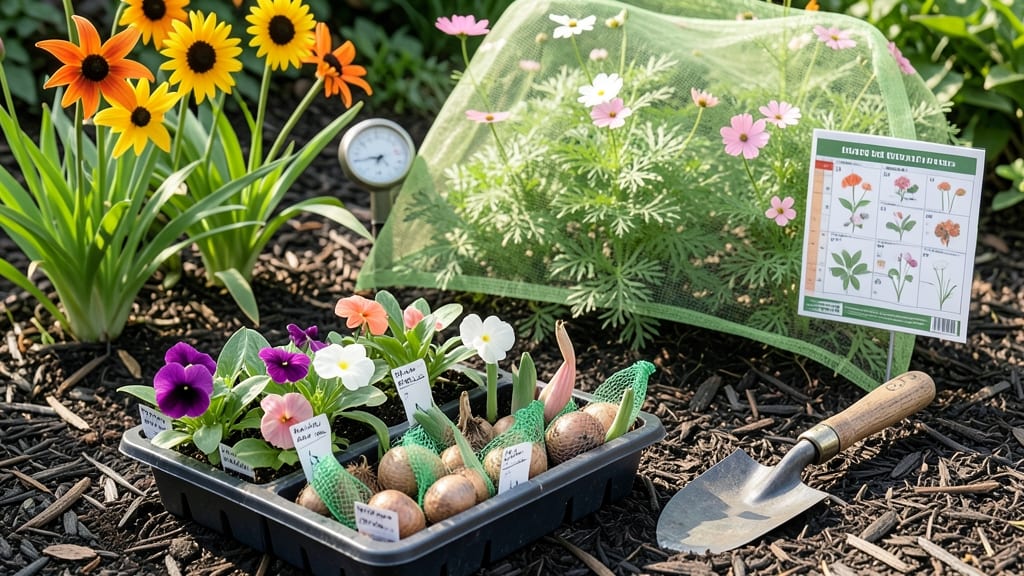
Planting flowers in Georgia at the wrong time can mean the difference between a showstopping garden and a sad, frost-killed disappointment—especially when those unpredictable spring freezes strike.
Whether you're a first-time gardener or a seasoned green thumb, timing is everything in the Peach State, where warm winters and humid summers create a unique growing challenge.
The key to success? Understanding Georgia's USDA zones 7a-8b and when to plant for maximum survival. Unlike northern climates, you can often plant flowers in fall or early spring without worrying about early frost, but getting it wrong means struggling with heat stress or stunted growth.
I'll break down the exact windows—plus the best flowers for each season—so you can avoid common mistakes and enjoy blooms from summer through fall.
Let’s start with the basics: why spring and fall planting are your best bets, how to prepare soil for Georgia’s clay-heavy earth, and which varieties thrive in hot, humid summers. You’ll also discover how to extend your blooming season with simple tricks—no frost damage required!
Ready to transform your yard into a year-round flower paradise? Grab your gloves, and let’s get planting—the right way.
Georgia’s frost-free planting zones: when to start flowers for maximum survival
Georgia’s USDA zones 7a through 8b create a unique gardening puzzle—warm winters in the south clash with occasional late spring frosts in the north. To avoid frost damage while maximizing bloom time, timing is everything.
Annuals like marigolds and impatiens need after the last frost, while perennials like coneflowers can handle cooler soil. Let’s break down the frost-free windows by zone to help you plant with confidence.
First, check your average last frost date—typically March 15 in zone 7a and March 1 in zone 8b. Urban areas like Atlanta often experience earlier frosts than rural South Georgia due to heat island effects.
Use the Georgia Climate Toolkit (from UGA Extension) to pinpoint your exact microclimate. For example, Savannah (zone 8a) can plant tropical flowers like hibiscus as early as February, while Blue Ridge (zone 7a) must wait until mid-April.
Annuals are the most sensitive to frost—they need consistent warmth to establish roots before blooming. Start tender annuals like petunias and geraniums indoors 6-8 weeks before your last frost date. Hardy annuals such as pansies and snapdragons can handle light frosts and can be planted 2-3 weeks earlier than tender varieties. Perennials, on the other hand, thrive when planted in early spring (March–April) or early fall (September–October) to establish deep roots before winter.
Bulbs like tulips and daffodils are a special case—they need cool soil to trigger blooming. Plant fall-blooming bulbs (e.g., crocuses) in October–November, while spring-blooming bulbs (e.g., hyacinths) go in winter (December–January) to naturalize. In zone 8b, some bulbs like dahlias can even be planted in late winter if you protect them with mulch.
For urban gardeners, microclimates play a huge role. South-facing walls warm up faster, allowing you to plant 2 weeks earlier than the average last frost date. Conversely, low-lying areas or shaded spots may experience frost 1-2 weeks later.
Use frost cloth or row covers to protect young plants in zone 7a if late frosts threaten. In zone 8b, you can even experiment with year-round planting for heat-loving flowers like bougainvillea or plumbago.
Adjust your soil temperature too—most flowers need soil that’s at least 60°F to thrive. Use a soil thermometer to check before planting. In cool zones (7a), warm the soil with black plastic mulch 1-2 weeks before planting.
For containers, use heat-absorbing pots to give seedlings a head start. Slow-release fertilizer applied at planting time also helps stress-free establishment, especially for tender annuals.
Spring vs. fall flower planting: pros, cons, and best flowers for each season
Deciding between spring and fall planting in Georgia can feel like a coin toss, but each season offers unique advantages for your garden. Spring planting gives you a head start on summer blooms, while fall planting lets flowers establish roots before winter.
The key is matching your flower varieties to Georgia’s USDA zones 7a-8b and avoiding early frost or scorching heat.
In spring (March–May), Georgia’s soil warms up faster than in cooler climates, allowing tender flowers to thrive. However, late frosts can still catch you off guard. Fall planting (September–November) gives flowers a six-week head start before winter, often resulting in earlier and more robust blooms.
The challenge? Timing it right to avoid early frost damage.
Spring Planting (March–May)
Pros
- Faster growth in warm soil
- Longer bloom season
- Better for heat-loving flowers
Cons
- Risk of late frost damage
- Requires more watering during summer
- Pests thrive in warm weather
Best Flowers
- Impatiens (shade-loving)
- Marigolds (pest-resistant)
- Zinnias (long-lasting blooms)
Fall Planting (September–November)
Pros
- Established roots before winter
- Fewer pests and diseases
- Earlier spring blooms
Cons
- Risk of early frost in November
- Slower initial growth
- Limited heat-tolerant options
Best Flowers
- Pansies (cold-hardy)
- Sweet Alyssum (winter blooms)
- Chrysanthemums (late-season color)
For spring planting, focus on well-draining soil and mulching to retain moisture. Start seeds indoors in late winter or direct-sow after the last frost (typically mid-April in most of Georgia).
In fall, prioritize cool-season flowers and plant 6–8 weeks before the first frost (usually late October). Always test your soil’s pH—most flowers thrive in 6.0–7.0 range.
Avoid planting tender annuals like geraniums or petunias too early in spring—they’ll bolt in heat. Similarly, don’t wait too late in fall for slow-growing perennials like lavender, or they won’t establish before winter. My go-to trick? Use row covers for early spring plantings to protect against surprise frosts.
Pro tip: Georgia’s northern regions (like Atlanta) have later last-frost dates than the south (e.g., Savannah). Check your local Cooperative Extension Service for precise frost data. With the right timing, you can enjoy continuous blooms from spring through fall! 🌷