
Plants
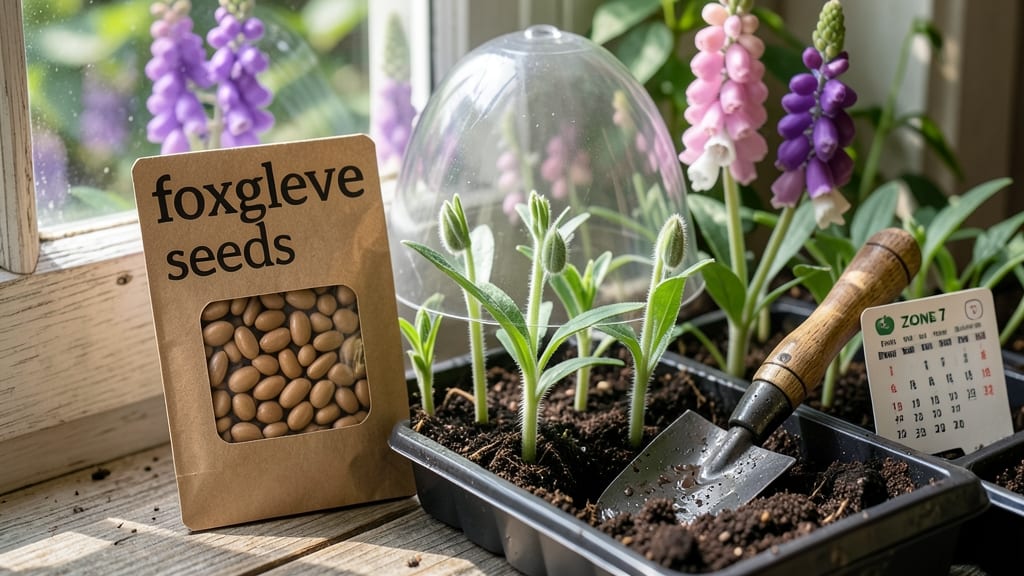
Planting foxglove seeds at the wrong time in Zone 7 could mean waiting years for those striking 🌸 blooms—or worse, never seeing them at all. The key to success lies in understanding your local frost dates and soil conditions, which can make or break germination.
Most gardeners in Zone 7 assume spring is the only option, but fall planting actually gives foxglove seeds a head start. When you sow them between late August and early September, they'll establish roots before winter, emerging stronger in spring.
This biennial plant needs patience—it won't flower until its second year—but getting the timing right ensures you'll have towering spires of color for years to come.
If you prefer spring planting, aim for March to early April, after the last frost but before soil temperatures climb too high. The challenge? Foxglove seeds are notoriously slow to germinate, often taking 4-6 weeks in ideal conditions.
Whether you choose fall or spring, proper soil prep and consistent moisture are your best allies in breaking through that stubborn seed coat.
I'll walk you through exactly how to time your planting, whether you're starting seeds indoors or sowing directly outside. With these strategies, you'll avoid common mistakes that leave gardeners scratching their heads—and end up with foxglove plants that thrive in Zone 7's climate.
Best planting windows for foxglove seeds in Zone 7: spring vs fall comparison
Foxglove (Digitalis spp.) thrives in Zone 7, but its biennial growth cycle means timing seeds correctly is critical. Unlike annuals, foxglove seeds need cool stratification to germinate properly, making fall planting ideal in most of Zone 7.
However, spring planting works too—with adjustments for soil warmth and frost risks.
Zone 7’s last frost date typically falls around April 15, while the first frost arrives by November 1. This 180-day frost-free window creates two distinct planting opportunities: late summer/early fall (August-September) or early spring (March-April). Each approach has unique advantages depending on your microclimate and patience level.
🌱
Fall planting in Zone 7 offers the most reliable germination because foxglove seeds naturally stratify during winter’s cool, moist conditions. When sown in August or September, seeds experience natural cold treatment as temperatures drop, breaking dormancy just as spring arrives.
This method also reduces weed competition and gives seedlings a head start before summer heat.
However, spring planting works well if you’re eager to see results. Sow seeds in March or early April once soil temperatures reach 60-70°F.
While germination takes slightly longer (6-8 weeks vs. 4-6), you’ll avoid potential rodent damage (a common issue with fall-sown seeds) and enjoy visible growth during the growing season.
Zone 7’s northern vs. southern variations matter too. In northern Zone 7a (colder microclimates), aim for late August planting to ensure seeds don’t germinate before frost. In southern Zone 7b, you can extend fall planting to early October—just monitor soil moisture closely to prevent drying.
One critical mistake to avoid? Planting foxglove seeds too deeply or in compacted soil. These seeds need light exposure to germinate, so sow them ¼ inch deep in loose, well-draining soil.
A 50/50 mix of garden soil and compost works best, with a light mulch layer to retain moisture without smothering sprouts.
After sowing, maintain consistent moisture—foxglove seeds won’t germinate if the soil dries out. Use a fine mist spray or drip irrigation to keep the surface evenly damp (not soggy).
Young seedlings are also sensitive to temperature swings, so protect them from late spring frosts with row covers if needed.
🌿
If you’re new to foxglove cultivation, I recommend starting with fall planting for its higher success rate in Zone 7. But if you’re short on time or live in a warmer microclimate, spring planting with pre-stratified seeds delivers great results.
Either way, patience is key—foxglove’s biennial cycle means you won’t see flowers until the second year, but the wait is worth it for those dramatic spires of blooms!
For maximum blooms, deadhead spent flowers in the second year and avoid over-fertilizing—foxglove prefers lean, nutrient-poor soil for the best tall, sturdy stems. With the right planting timing, you’ll enjoy years of low-maintenance beauty from this easy-care perennial.
Step-by-step guide to planting foxglove seeds for maximum germination success
Foxglove seeds are notoriously tricky to germinate, but with the right technique, you can achieve 90%+ success rates. The key lies in proper seed preparation, ideal soil conditions, and consistent moisture.
Unlike many flowers, foxglove seeds need cold stratification to break dormancy—something many gardeners overlook. I’ve planted foxglove for years, and these steps have become my go-to method for reliable germination.
Start by gathering fresh foxglove seeds (store-bought or freshly harvested). If using purchased seeds, check the packaging date—older seeds germinate poorly. For best results, stratify seeds for 4-6 weeks in a damp paper towel inside a sealed bag in your fridge.
This mimics winter conditions and tricks seeds into thinking they’ve survived a cold period. Skipping this step often leads to low or delayed germination.
✅ Step-by-Step Planting Process
- Step 1: Prep Seeds – Soak seeds in lukewarm water for 24 hours to soften the hard outer shell. Drain and place in a damp paper towel in a sealed bag for 4-6 weeks in the fridge.
- Step 2: Choose Location – Select a partially shaded spot with well-draining soil. Foxglove hates soggy roots, so avoid low-lying areas where water pools.
- Step 3: Sow Seeds – Scatter seeds ¼ inch deep in rows or clusters. Space them 12 inches apart—foxglove spreads slowly but grows tall.
- Step 4: Cover Lightly – Sprinkle a thin layer of peat moss or fine compost over seeds to protect them. Avoid burying too deep—foxglove seeds need light to germinate.
- Step 5: Water Gently – Mist the soil with room-temperature water until moist but not waterlogged. Use a spray bottle to avoid displacing seeds.
- Step 6: Mulch & Protect – Apply 1 inch of mulch (straw or shredded leaves) to retain moisture. Cover with frost cloth if planting in early fall to shield from light frosts.
- Step 7: Monitor Moisture – Keep soil consistently moist (not soggy) for 4-6 weeks. Germination can take this long—patience is key!
Once seeds sprout, thin seedlings to 12 inches apart to give them room to grow. Foxglove’s first year focuses on root and foliage development—you won’t see flowers until the second year.
During this time, water deeply once a week and avoid fertilizing heavily, as foxglove prefers lean soil. Over-fertilizing can lead to weak stems that flop under their own weight.
Watch for damping-off disease, a common fungal issue in young seedlings. If you notice black stems at the base, remove affected plants immediately and improve airflow by spacing seedlings wider. A light fungicide spray (like neem oil) can also help prevent outbreaks.
Foxglove is tough once established, but seedlings are delicate—give them the care they need now for years of stunning blooms.
Pro tip: Label your foxglove seedlings! They look similar to other plants in their first year, and you’ll want to avoid transplanting them accidentally. Foxglove is toxic if ingested, so keep it away from pets and children.
With the right care, your foxglove will reward you with towering spikes of bell-shaped flowers in shades of purple, pink, or white by next summer.