
Trees
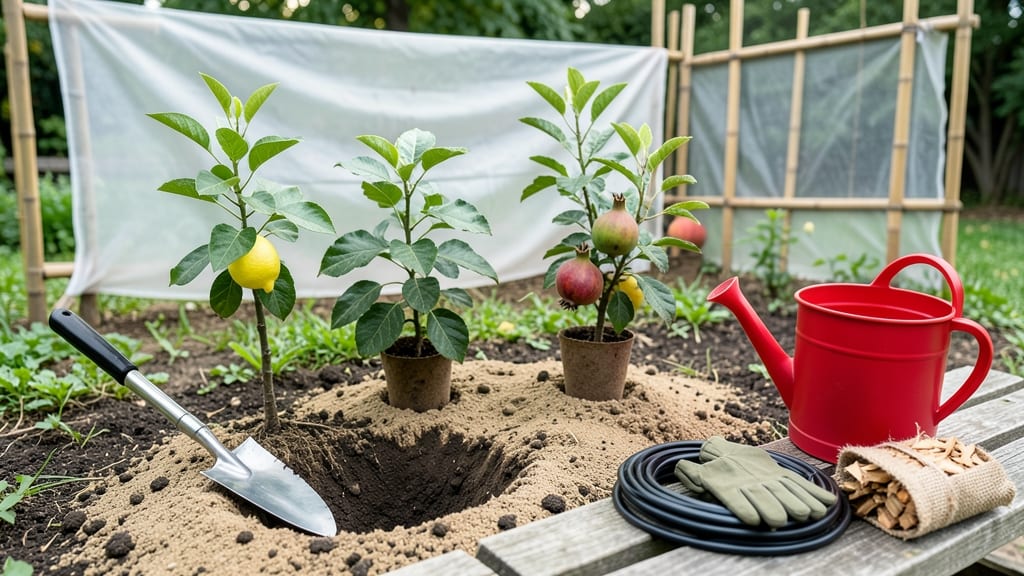
Planting a fruit tree 🍎 in Arizona isn’t just about grabbing a sapling and sticking it in the ground—timing is everything. If you wait until spring, the brutal summer heat will stress your young tree before it even gets a chance to establish roots.
But plant too early, and you risk exposing it to late-winter cold snaps that could stunt its growth.
Here’s the secret: the best window to plant most fruit trees in Arizona runs from November through February, when temperatures are mild and the monsoon season hasn’t yet turned your yard into a desert again.
This timing gives your tree a 60- to 90-day head start before the real heat kicks in, setting it up for stronger roots and better survival odds.
But not all fruit trees follow the same rules. Citrus varieties, for example, actually prefer cooler fall planting to avoid transplant shock when summer arrives. Meanwhile, stone fruits like peaches and plums need that winter window to break dormancy just right.
Let’s break down the exact months—and what to watch for—to ensure your tree thrives in Arizona’s unique climate.
Whether you’re dreaming of juicy peaches or sweet oranges, getting the timing right is the key to avoiding common mistakes that turn promising plantings into costly failures. Stick with me, and I’ll show you how to pick the perfect moment for your fruit tree—no guesswork required.
Optimal planting months for Arizona fruit trees by variety
Arizona’s diverse microclimates—from Phoenix’s desert heat to Flagstaff’s cooler highlands—create unique planting windows for fruit trees. Most varieties thrive when planted during cooler months to avoid heat stress and establish roots before summer. Citrus and subtropical trees, however, have different needs than stone fruits or pomegranates.
For Phoenix and Tucson, where frost is rare, focus on November through February—ideal for citrus, figs, and pomegranates. In Flagstaff and Prescott, cooler temperatures allow planting until March, but avoid late spring to prevent drought stress.
Each variety also requires specific soil temperatures and moisture levels for successful root growth.
Citrus trees (like Improved Meyer lemons or Valencia oranges) are best planted in late fall or winter (November–January) when soil temps stay above 60°F. These trees hate frost, even a light freeze, so timing is critical. Stone fruits (peaches, plums, apricots) prefer late winter (February–March) to avoid summer heat stress.
Pomegranates and figs are more flexible, tolerating spring planting (March–April) in cooler regions like Flagstaff, but still benefit from early establishment before summer’s intensity. Subtropical varieties, such as loquats or persimmons, should be planted in late winter (January–February) to align with natural dormancy cycles.
Regional adjustments matter: Phoenix’s USDA Zone 10a allows citrus planting until January, while Flagstaff’s Zone 7a extends the window to April for hardier varieties. Always check your local frost dates—even a 28°F dip can kill tender citrus.
When planting citrus trees, prioritize well-draining soil and morning sun exposure to prevent root rot. Stone fruits need cross-pollination, so plant at least two compatible varieties. For pomegranates, choose a sheltered location to protect young trees from winter winds.
Avoid planting in summer unless using shade cloth and drip irrigation. Young trees planted in peak heat (June–August) suffer from transplant shock and struggle to establish roots. If you must plant in summer, mulch heavily and water deeply every 2–3 days.
For Flagstaff gardeners, extend planting to early April for peaches and apricots, but monitor soil moisture closely—dry conditions can stall root growth. In Tucson, citrus planted after January risks heat stress, so prioritize late fall for best results.
Pro tip: Soak roots in water for 1–2 hours before planting to reduce shock. Amend soil with compost and a slow-release fertilizer
Critical factors that determine Arizona fruit tree planting success
Arizona’s desert climate creates unique challenges for fruit tree planting, where soil moisture and monsoon timing become make-or-break factors. Unlike temperate regions, your tree’s first 60-90 days of root establishment must happen before summer’s 110°F+ temperatures arrive.
Skip this window, and you risk transplant shock that can kill even the hardiest varieties.
One of the biggest mistakes I see is planting in late spring when the soil is still cool but the air is heating up. Your tree’s roots need consistent moisture and moderate temperatures (ideally between 60°F and 80°F) to grow.
If you plant too early, the roots may not develop enough to handle the drought stress of summer. Too late, and the tree won’t have time to adapt before the heat arrives.
Here’s the harsh truth: 90% of fruit tree failures in Arizona stem from poor timing combined with inadequate irrigation during the critical root zone establishment.
The monsoon season (July-September) might seem like a good time to plant because of the rain, but by then, the intense heat and sudden downpours can overwhelm young roots, leading to root rot or nutrient leaching.
⚠️ Arizona Planting Warning
Never plant fruit trees in Arizona between March and June. This window coincides with peak heat stress and minimal root growth. Even drought-tolerant varieties like figs or pomegranates struggle to establish when daytime temps exceed 95°F.
✅ Best months: November-February (cooler temps, 60-75°F soil).
❌ Avoid: Late spring planting (April-June) due to heat shock risk.
Your irrigation strategy during these first 90 days is just as critical as the planting date. Many gardeners assume that Arizona’s drip irrigation is enough, but without deep watering (15-30 gallons per tree, twice weekly), roots stay shallow and vulnerable.
I recommend using a soaker hose or drip system that delivers water directly to the root zone—not just the surface. This ensures moisture reaches 12-18 inches deep, where most roots will grow.
Another pro tip: Mulch heavily (3-4 inches of organic mulch like wood chips) to retain soil moisture and regulate temperature. Without mulch, Arizona’s extreme temperature swings (from 50°F nights to 100°F days) can shock young roots.
I’ve seen trees with mulch survive summer heat with 50% less water than those without.
Don’t forget about root establishment periods. Even if your tree looks healthy above ground, its roots might still be struggling below. After planting, monitor the soil moisture at 6-inch depth—if it’s dry, water immediately.
By March 1st, your tree should have a well-developed root ball to handle the upcoming heat. If not, it’s a red flag that you planted too late or didn’t irrigate properly.
Final thought: Citrus trees are the exception—they actually prefer fall planting (September-October) to avoid summer heat stress. But for stone fruits (peaches, plums) and pome fruits (apples, pears), stick to November-February.
Timing isn’t just about the calendar; it’s about giving your tree the best possible start in Arizona’s unforgiving climate. 🌱