
Trees
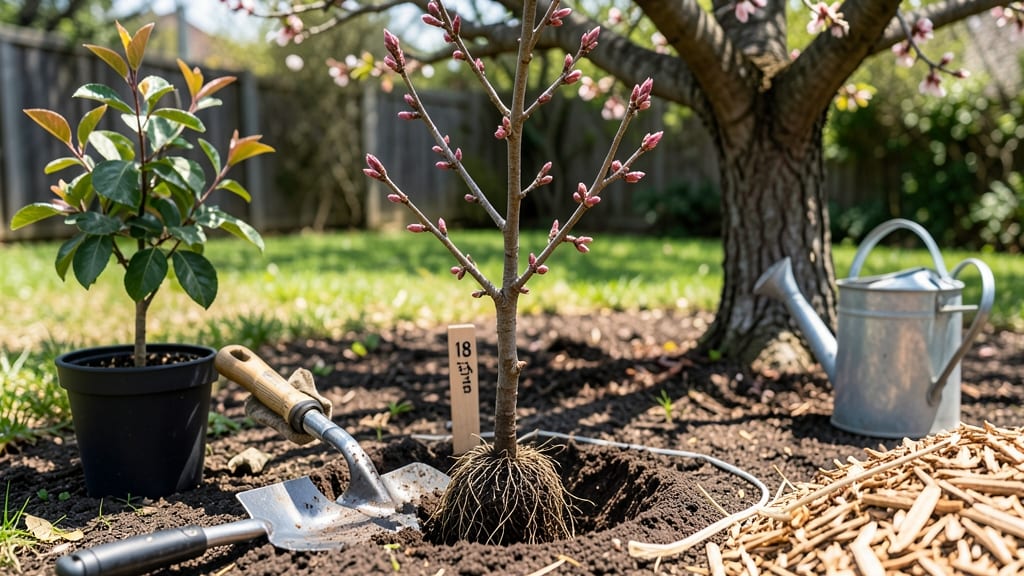
Planting your 🍎 fruit tree at the wrong time in Kansas could mean the difference between a thriving orchard and years of frustration—because those late spring frosts can wipe out tender new growth before it even starts.
If you're in USDA Zones 5b-7a, timing is everything. The ideal window runs from late winter through early spring, but getting it just right means avoiding frozen soil, unpredictable frost patterns, and soil that's still too wet to work with.
I'll walk you through exactly when to plant—whether you're going for peaches in March or apples in April—and how to prep your soil for maximum root growth before summer heat arrives.
Let's cut through the guesswork so you can get your fruit trees off to the strongest possible start in Kansas' variable climate.
Optimal planting months for fruit trees in Kansas by variety
Kansas gardeners know timing is everything—especially when planting fruit trees like apples, peaches, and plums. In USDA Zones 6-7, the window for planting is narrow, but getting it right ensures your trees establish strong roots before summer heat arrives.
Most varieties thrive when planted during dormancy, typically in late winter or early spring, but regional microclimates can shift this timeline by weeks.
For example, western Kansas (Zone 6) often experiences earlier soil thaw than eastern Kansas (Zone 7), meaning you might plant peach trees in February in Garden City but wait until March in Topeka.
Always check your local last frost date—aim to plant 4-6 weeks before the average last frost to avoid spring freezes damaging tender new growth.
Here’s the key rule: Plant bare-root trees in dormancy (when they’re not actively growing) to minimize stress. Container-grown trees can go in slightly later, but never after buds swell in spring. This table breaks down the best months for Kansas’ most popular fruit trees, accounting for dormancy periods and regional adjustments.
| Variety | Best Planting Month | Dormancy Period | Kansas Microclimate Note |
|---|---|---|---|
| Apples (e.g., Honeycrisp, Fuji) | March–April | Late winter–early spring | Wait until soil thaws; avoid late frosts |
| Peaches (e.g., Elberta, Redhaven) | February–March | Early dormancy | Western KS: February; Eastern KS: March |
| Cherries (Sweet: Bing, Tart: Montmorency) | March–April | Mid-dormancy | Avoid wet soils; cherries hate soggy roots |
| Plums (e.g., Santa Rosa, Methley) | February–March | Early dormancy | Dwarf varieties can handle late planting |
| Pears (e.g., Bartlett, Anjou) | March–April | Late winter | Soil must be 40°F+ for root growth |
If you’re planting stone fruits like peaches or plums, prioritize February in western Kansas where winters are colder. These trees break dormancy earlier than apples or pears, so rushing them risks frost damage.
For apples, wait until March—their roots need cooler soil to establish before spring warmth triggers growth.
One common mistake is planting too late. If you miss the dormancy window and plant in May, your tree’s roots won’t have time to anchor before summer heat and drought stress set in.
Container-grown trees are more flexible—they can handle late spring planting (up to May), but bare-root trees must go in during dormancy. Always check the root flare (where roots meet the trunk) to ensure it’s above soil level.
For dwarf varieties, which are popular in home orchards, the planting window is slightly wider. Their smaller root systems establish faster, so you can plant peach trees in March even in eastern Kansas without risking stunted growth.
Just avoid planting after bud break—that’s when new leaves form, and any transplant shock can be fatal. If you’re unsure, use the "finger test": Stick your finger in the soil. If it’s crumbly and 40°F+, it’s time to plant.
Finally, consider local nurseries for region-specific advice. Some Kansas City-area nurseries recommend planting cherry trees in April to avoid late frosts, while Wichita growers might suggest March. Always ask about rootstock compatibility—some varieties (like Bing cherries) need specific rootstocks to thrive in Kansas’ clay-heavy soils.
With the right timing and prep, your fruit trees will reward you with decades of harvests.
🌱
How Kansas weather patterns affect fruit tree planting success
Kansas' USDA Zones 6-7 bring unique challenges for fruit tree growers, where late spring frosts and variable rainfall can make or break your orchard's success. Unlike coastal regions, Kansas experiences sharp temperature swings and dry spells that demand precise timing for planting.
I've learned that even a 2-week delay can leave young trees vulnerable to root rot or frost damage during critical growth phases.
The key to thriving fruit trees in Kansas lies in understanding three critical weather factors: soil thaw timelines, spring frost dates, and rainfall patterns. Each of these elements directly impacts when you should plant different fruit tree varieties.
For example, peach trees need to establish roots before April's unpredictable frosts, while apple trees can handle slightly later planting due to their hardier nature.
⚠️ callout warning ⚠️
- Average last frost: March 15 (varies ±10 days by region)
- Frost risk zone: Western Kansas can have frosts 2 weeks later than eastern areas
- Planting window: 4-6 weeks before your local last frost date
- Emergency rule: If soil is workable but not frozen, it's safe to plant
Pro Tip: Use a soil thermometer - roots need soil temps above 45°F (7°C) for 10+ days.
One of the biggest lessons I've learned is that soil thaw timing often determines planting success more than calendar dates. In Kansas, northern clay soils can remain frozen until mid-April, while southern sandy loams might thaw by early March.
I always test soil moisture by squeezing a handful - if it crumbles when dry, it's ready for planting. This simple check has saved me from planting too early and dealing with waterlogged roots.
Rainfall patterns play a surprising role in Kansas fruit tree success. While we often think of Kansas as drought-prone, the spring planting window typically receives 1-2 inches of rain per week, which is ideal for root establishment. However, planting in May or June without proper irrigation can lead to stress cracks in young bark. I've found that drip irrigation systems installed at planting time give trees the consistent moisture they need during Kansas' variable spring rains.
Different fruit tree varieties also respond uniquely to Kansas' weather. Stone fruits like peaches and plums need to be in the ground 6-8 weeks before blooming to avoid late frost damage to flowers.
Meanwhile, apple and pear trees can handle slightly later planting because their hardier wood survives occasional 30°F (-1°C) dips. I've had success planting Honeycrisp apples in late April when peach trees were already flowering - a timing difference that makes all the difference.
Don't forget about wind patterns - Kansas' prevailing westerlies can dry out young trees faster than you'd expect. I always plant on the leeward side of fences or buildings to create a windbreak effect.
For container-grown trees, I bury the upper third of the root ball to encourage root spread into the surrounding soil, which helps them establish faster in our dry spring winds. These small adjustments have helped my Kansas orchard thrive where others struggle.