
Trees
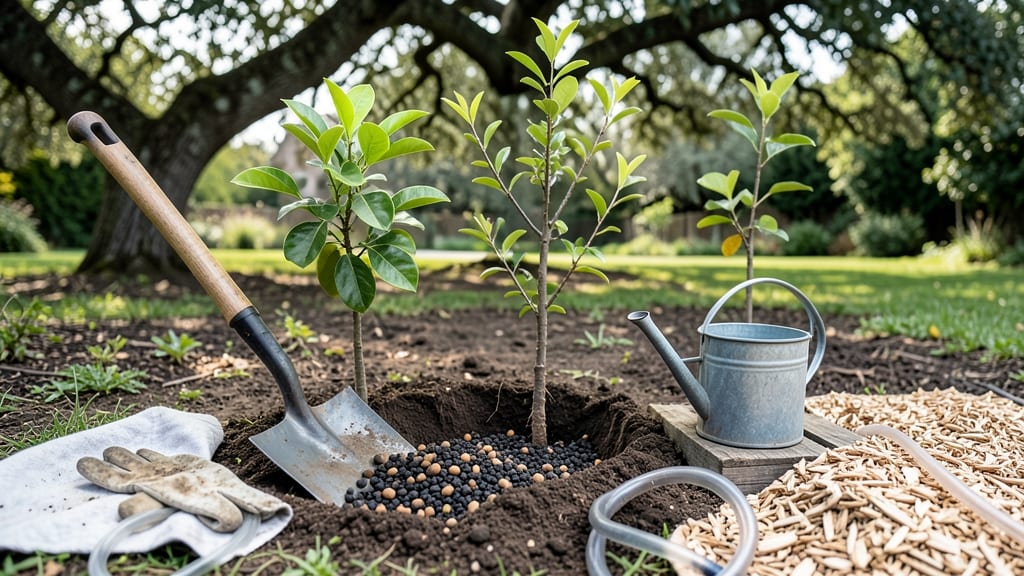
Timing your fruit trees 🍎🍑🍊 planting in Zone 8b isn't just about picking a season—it's about giving your trees the best shot at thriving through your region's mild winters and scorching summers.
Plant too early, and you risk stressing young roots before they establish; too late, and you might be fighting heat or frost. The difference between a struggling sapling and a robust, fruit-bearing tree often comes down to those critical weeks you choose.
I've seen firsthand how Zone 8b's unique climate—where last frosts linger into February and first frosts arrive by November—demands a more strategic approach than generic planting guides suggest.
Whether you're eyeing citrus groves that love the warmth or stone fruits that need a cool start, knowing when to dig that hole can mean the difference between a 5-year wait for fruit and a 2-year harvest.
Let me show you the exact windows that work best for your local conditions.
What if I told you the best months aren't just February-March or October-November, but specific 4-week periods within those seasons? For example, fall planting in late October gives roots time to settle before winter rains, while spring planting after February 15 avoids frost damage.
And yes, there are exceptions—like subtropical varieties that need entirely different timing. I'll break down the nuances so you don't waste money on trees that struggle from day one.
Ready to plant with confidence? You'll walk away knowing not just when to plant, but why those dates matter for your specific fruit trees. Plus, I'll share pro tips for soil prep, microclimate tricks (like avoiding frost pockets), and post-planting care that keeps your trees happy through Zone 8b's extremes.
Let's get those roots growing the right way.
Optimal planting months for fruit trees in Zone 8b by variety
Zone 8b's mild winters and hot summers create a unique window for planting fruit trees—fall and early spring are your best bets. Unlike colder zones, you can avoid winter dormancy risks while still giving roots time to establish before summer heat.
The key is matching each fruit tree variety to its ideal planting season based on its growth habits and climate needs.
For citrus trees like Meyer lemons or oranges, timing is critical—they hate frost and need warm soil.
In Zone 8b, late winter to early spring (February-March) is ideal, letting them establish before summer's peak. Stone fruits (peaches, plums) prefer late winter dormancy planting (January-February), while pome fruits (apples, pears) thrive with fall planting (October-November).
Citrus varieties (e.g., Meyer lemon, navel orange) must be planted when soil temps stay above 60°F (15°C). In Zone 8b, this means avoiding December—even light frosts can kill young trees. Subtropical varieties like persimmons or loquats follow similar rules but can tolerate slightly cooler soil.
Stone fruits (peaches, nectarines, plums) need dormancy planting—plant in late winter (January-February) when the tree is still dormant but soil is workable. This timing aligns with Zone 8b's last frost date (February 15), giving roots time to establish before spring growth.
Pome fruits (apples, pears, quinces) love fall planting (October-November) because cooler temps slow early growth, letting roots establish before spring. This is especially true for Zone 8b's first frost risk (November 15)—planting too late can stress young trees.
If you missed the ideal window, bare-root trees can be planted in early spring (March-April), but container-grown trees should wait until fall (September-October) to avoid transplant shock. Container-grown citrus is an exception—plant anytime soil is workable, but avoid summer heat.
For mature trees, timing matters less, but young trees (under 2 years) need perfect conditions. In Zone 8b, October is ideal for most varieties because soil stays warm enough for root growth but cools before winter stress. Mulch heavily (4-6 inches) to protect roots from temperature swings.
Microclimates matter! If you're in a frost pocket, delay planting until March for stone fruits. For heat-sensitive varieties like figs, plant in late winter to avoid summer stress. Always check your last frost date—Zone 8b's February 15 cutoff is critical for timing.
Pro tip: Container-grown trees can be planted year-round in Zone 8b, but bare-root trees must be planted while dormant. For container-grown citrus,
Key factors that determine the best planting time in Zone 8b
In Zone 8b, where mild winters and hot summers create unique growing conditions, timing your fruit tree planting isn't just about avoiding frost—it's about leveraging soil warmth, rainfall patterns, and even tree dormancy.
The last frost date (around February 15) and first frost (about November 15) bookend your planting windows, but the real magic happens in the weeks before and after these dates when root establishment thrives.
For example, planting peach trees in late winter gives roots time to spread before summer heat stress, while citrus trees prefer fall planting to avoid winter chill damage.
Soil temperature is your #1 guide—roots need 50-60°F soil to grow actively.
In Zone 8b, this typically means planting when daytime temps hover between 60-75°F, which aligns with October-November for fall planting or February-March for spring. Rainfall patterns also play a role: planting during moderate rainfall (like late fall) reduces irrigation needs, while summer planting risks drought stress.
Even tree maturity matters—bare-root trees establish faster than container-grown ones, so adjust timing accordingly.
🌱 Key Factors for Perfect Planting Timing in Zone 8b
- Soil Temperature: Aim for 50-60°F—roots need warmth to establish. Test with a soil thermometer before planting.
- Frost Risk: Plant 6-8 weeks before first frost (early November) or 2-3 months before last frost (mid-February).
- Rainfall Timing: Prioritize October-November for natural moisture. Avoid summer planting due to drought stress.
- Tree Dormancy: Deciduous trees (peaches, apples) thrive planted dormant in late winter/early spring. Citrus needs active roots—plant in fall.
- Microclimates: Adjust for frost pockets or urban heat islands. For example, valleys may frost later than hilltops.
- Tree Maturity: Bare-root trees plant 2-3 weeks earlier than container-grown. Roots need time to acclimate.
- Post-Planting Care: Mulch 3-4 inches deep after planting to retain moisture and regulate soil temp.
Adjusting for microclimates is where local knowledge shines. A south-facing slope might warm up faster than your neighbor’s yard, delaying frost risk. Use a frost-free date map (like USDA’s Plant Hardiness Zone tool) to pinpoint your exact window.
For stone fruits like plums or cherries, plant in late winter to avoid late-spring frosts that can damage blossoms. Meanwhile, subtropical varieties (e.g., figs, pomegranates) prefer fall planting to establish roots before winter’s mild chill.
Don’t overlook tree maturity—bare-root peach trees planted in February will outpace container-grown avocado trees planted in March due to faster root regrowth. If you’re working with container-grown trees, soak the root ball 24 hours before planting to reduce transplant shock.
And always amend your soil with compost or well-rotted manure to improve drainage, especially in clay-heavy soils common in Zone 8b.
Pro tip: Monitor soil moisture after planting—Zone 8b’s hot, dry summers can dry out newly planted trees in weeks. Use drip irrigation for the first 3 months to keep roots hydrated without wetting foliage (which invites fungal diseases).
For citrus trees, consider a lightweight frost blanket in December-January if temps dip below 28°F, even in Zone 8b.
Remember, Zone 8b’s mild winters mean you can push planting slightly later than in colder zones—but don’t wait too long. April planting risks summer heat stress, while December planting may leave roots vulnerable to winter chill.
Strike that balance, and your fruit trees will reward you with years of abundant harvests.