
Planting
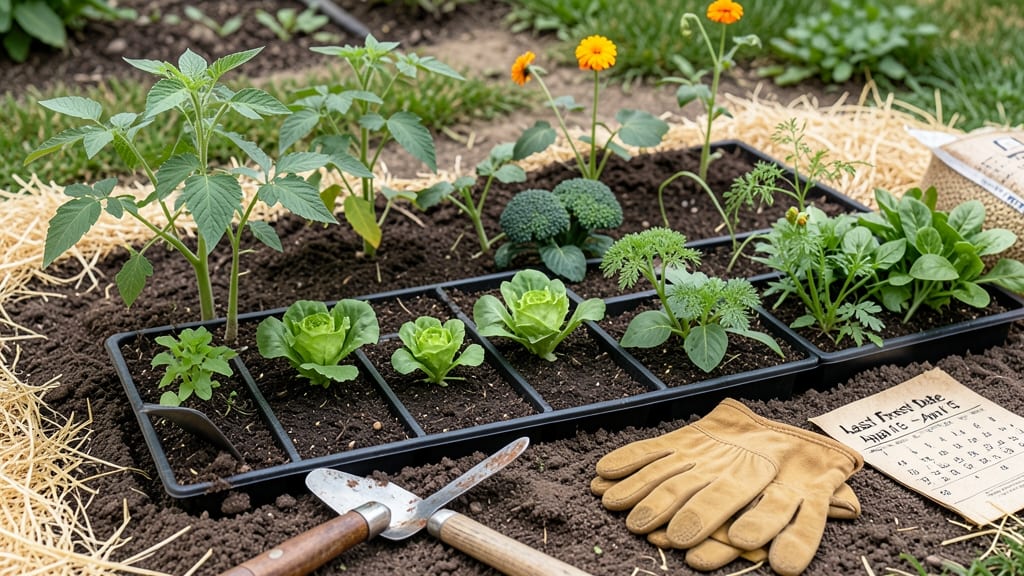
When to plant a garden in Kentucky could mean the difference between a bumper crop and a sad, frost-bitten disappointment. With last-frost dates shifting from mid-April in the Bluegrass to late April in the Appalachians, getting your 🌱 in the ground at the perfect moment is everything.
I’ve seen firsthand how a few weeks can make or break a season—planting tomatoes too early in Zone 6a risks losing them to late frosts, while waiting too long means stunted growth before summer’s heat sets in.
The key is understanding your specific region’s microclimate and working with Kentucky’s 180 frost-free days to maximize your harvest.
In this guide, I’ll break down exactly when to plant everything from cool-season greens to heat-loving peppers, plus proven tricks to extend your growing season.
Whether you’re a first-time gardener or a veteran with a few failed attempts under your belt, these insights will help you plan for the best yields possible.
Let’s get your garden off to the right start—no more guessing, just confident planting based on real Kentucky data and local expert advice.
Kentucky’s last-frost dates by region: critical planting windows explained
Kentucky’s diverse microclimates create a gardening puzzle where last-frost dates can shift by weeks between regions. The Appalachian Plateau might still see frost in early May while Pennyrile’s river valleys warm up by mid-April.
Understanding these windows ensures your cool-season crops like broccoli thrive and warm-season plants like peppers establish before summer heat arrives.
Each of Kentucky’s five distinct regions falls within USDA Zones 6a-8a, but elevation, proximity to water, and urban heat islands create local variations. For example, Louisville’s urban heat island can push last frosts 3-5 days earlier than rural areas just 20 miles away.
Always check local weather records and adjust your planting timeline accordingly.
Here’s your region-by-region breakdown, including last-frost averages, planting windows, and microclimate tips to fine-tune your schedule:
For cool-season crops like kale, spinach, and peas, plant 4-6 weeks before your region’s last frost date. These hardy plants can handle light frosts and often produce sweeter flavors after a light freeze.
In the Appalachian Plateau, for example, you might still be planting lettuce in early May, while Pennyrile gardeners should finish cool-season plantings by March 20.
Warm-season crops—think tomatoes, peppers, and cucumbers—need soil temperatures above 60°F to germinate. Wait until 2 weeks after your last frost date to plant these heat-lovers.
In Jackson Purchase, that means you can start tomatoes in early April, while Appalachian Plateau gardeners should hold off until mid-May to avoid late-spring frosts that can devastate seedlings.
Microclimates play a huge role in Kentucky. Urban heat islands in Louisville can push last frosts
Best crops to plant by Kentucky month: a month-by-month survival guide
Kentucky gardeners know timing is everything—plant too early, and a late frost will wipe out your seedlings. Plant too late, and your summer crops won’t mature before fall’s chill sets in.
The key is understanding your region’s last-frost dates and matching crops to Kentucky’s distinct microclimates, from the warm Pennyrile Plateau to the cooler Appalachian highlands. Below is your month-by-month planting calendar, packed with regional adjustments and succession planting tips to keep your harvests flowing all season.
For example, in Pennyrile (USDA Zone 7b), you can start warm-season crops like tomatoes and peppers by mid-March under row covers, while Appalachian gardeners (Zone 6a) should wait until late April to avoid frost damage.
The difference? Up to 3 weeks in planting windows. Let’s dive into the best crops for each month, plus what to avoid planting at each stage to prevent common mistakes.
- March: Cool-season crops like lettuce, spinach, and peas (direct sow). Start onion and broccoli seedlings indoors for transplanting in April. Pennyrile can also direct-sow radishes and carrots.
- April: Warm-season crops like tomatoes, beans, and squash after last frost (use row covers if frost threatens). Succession plant lettuce every 2 weeks for continuous harvests.
- May: Plant heat-loving crops like peppers, eggplants, and sweet potatoes. Start fall broccoli and cabbage from seed for late-season harvests.
- June: Succession plant bush beans and zucchini every 2 weeks. Direct-sow fall spinach and kale for harvests before winter.
- July: Plant late-season crops like turnips and collard greens. Start garlic for next year’s harvest.
- August: Direct-sow radishes, spinach, and mustard greens for fall harvests. Transplant cabbage and brussels sprouts seedlings.
- September: Plant garlic, onions, and overwintering crops like kale. Succession plant lettuce for late fall harvests.
- October: Focus on cold-hardy crops like carrots, beets, and potatoes. Avoid planting anything that won’t mature before first frost (mid-October in most regions).
One of the biggest mistakes Kentucky gardeners make is planting warm-season crops too early without protection. For example, tomatoes planted in March in Appalachia will almost certainly die in a late frost. Instead, wait until after April 15 in cooler regions or use floating row covers to buy time.
Similarly, cool-season crops like spinach planted in July will bolt quickly in Kentucky’s summer heat—save them for spring or fall.
For continuous harvests, use succession planting. For instance, sow lettuce every 2 weeks from March to September, staggering varieties like Buttercrunch (slow-bolting) and Black Seeded Simpson (heat-tolerant). In Pennyrile’s warmer climate, you can even extend lettuce harvests into early November with row covers.
Meanwhile, in Appalachia, focus on late-summer plantings of kale and collards, which thrive in cooler fall temperatures.
Don’t forget about perennials and flowers, which also have ideal planting windows.
For example, asparagus crowns should be planted in early spring (March) for a 2-year establishment period before harvest. Daylilies and coneflowers can be planted in spring or fall, but avoid transplanting them in summer’s heat, which causes transplant shock.
Even herbs like basil and cilantro have timing quirks—basil needs warm soil (after May 1 in most regions) while cilantro bolts in heat and should be planted in spring or fall.
Pro tip: Use Kentucky State University Extension’s frost date maps to pinpoint your exact last-frost date. In Pennyrile, it’s often March 20–April 5, while in Appalachia, it can be as late as April 20.
Adjust your planting schedule accordingly, and don’t be afraid to start seeds indoors 4–6 weeks before your region’s last frost for a head start on tomatoes, peppers, and eggplants.