
Planting
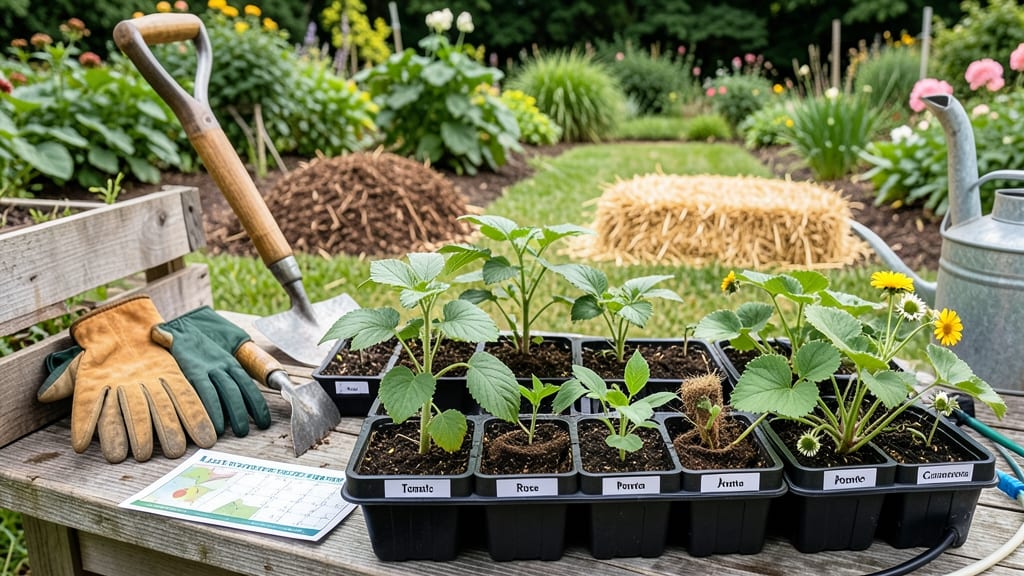
Timing your garden just right in Oregon isn’t just about the calendar—it’s about beating frost, embracing microclimates, and knowing when your General Garden Plants 🌱 can thrive without risk. Plant too early, and a late frost wipes out your hard work; too late, and you miss peak harvests.
The difference between a bountiful garden and a barely-there one often comes down to one simple rule: align your planting with your specific zone’s frost-free window.
Oregon’s 7b–9a zones (yes, they vary wildly!) mean coastal gardeners in Zone 9a can plant tomatoes in March, while high-desert growers in Zone 7b should wait until May. That’s a 6-week difference—and your carrots won’t wait for you.
Whether you’re in the Willamette Valley’s mild climate or the desert’s scorching summers, the key is understanding your local frost dates and adjusting your schedule accordingly.
Here’s the good news: with the right timing, you can stretch Oregon’s growing season to its fullest, even in tricky zones. I’ll break down exactly when to start seeds indoors, transplant seedlings, and sow directly—plus how to use row covers or cold frames to push your harvests later into fall.
No more guessing games, just a clear, zone-specific roadmap to a garden that outperforms the frost.
Ready to turn your Oregon garden into a year-round powerhouse? Let’s get started with the planting calendar that actually works for your corner of the state—no more lost crops, just consistent, reliable growth.
Oregon planting zones explained: when frost dates change everything
Oregon’s USDA planting zones range from Zone 4 in the mountains to Zone 9 along the coast, creating wildly different frost timelines. The last frost date in Portland’s Willamette Valley might be March 15, while eastern Oregon’s High Desert could still see frost in May.
These differences mean your cool-season crops like lettuce thrive in some areas while warm-season tomatoes need protective timing elsewhere.
Understanding your microclimate is key—coastal Zone 7-8 areas stay milder longer, while Zone 4-5 high deserts demand earlier starts. Even within 100 miles, frost dates can shift by 4-6 weeks.
I’ll break down Oregon’s 4 key regions and how to use frost data to plan your planting windows for maximum success.
Here’s your zone-by-zone frost guide with planting windows for cool-season (spinach, peas) vs. warm-season (tomatoes, peppers) crops:
| Region | USDA Zone | Last Frost Date | First Frost Date | Cool-Season Planting | Warm-Season Planting |
|---|---|---|---|---|---|
| Willamette Valley | 7b-8a | March 15 | October 15 | Feb 1 - Apr 30 | May 1 - Jun 15 |
| Columbia Gorge | 6a-7a | April 1 | October 30 | Mar 1 - May 15 | May 15 - Jun 30 |
| High Desert | 4b-5a | May 15 | September 15 | Apr 1 - Jun 1 | Jun 15 - Jul 15 |
| Coastal (Astoria) | 7b-8b | April 15 | November 15 | Feb 15 - May 15 | May 1 - Jul 1 |
In the Willamette Valley (Zone 7b-8a), I start spinach and peas as early as February for spring harvests, while tomatoes and peppers wait until May 1 after soil warms.
The Columbia Gorge’s cooler nights delay warm crops until late May, but cold-hardy kale thrives year-round here with row covers.
For Zone 4-5 high desert areas, I recommend cool-season crops only—plant broccoli and carrots by April 1 and protect with frost cloth until June 1. The coastal fog keeps Zone 8b areas milder, letting me grow zucchini until October without frost worries.
Pro tip: Use local frost date apps like Almanac’s Frost Calculator for your exact location. Even within 5 miles, frost dates can vary by 1-2 weeks due to elevation or urban heat islands. I always plant test rows 2 weeks apart to gauge frost risk.
Warm-season crops like cucumbers and basil need soil temps above 60°F—wait until after May 15 in most zones. In Zone 9 coastal areas, I even grow year-round greens with season extenders like hoop houses. The key? Know your zone’s frost window and adjust planting dates accordingly.
For succession planting
Best month-by-month planting calendar for Oregon gardens
Timing your garden in Oregon isn’t one-size-fits-all—it’s about reading your microclimate. Urban Portland may have warmer pockets than the coastal fog belt, while high-desert Bend faces earlier frost risks.
My month-by-month guide adjusts for these differences, so you can plant with confidence whether you’re in Zone 7b or Zone 9a. Think of it as your roadmap to zero-frost stress and maximum harvests.
Start by noting your last frost date—typically March 15 in the Willamette Valley, April 15 on the coast, and May 15 in eastern Oregon. Warm-season crops like tomatoes and peppers need soil temps above 60°F, while cool-season kale and carrots thrive in 50°F soil.
My calendar balances these needs with seed-starting indoors, transplanting, and direct-sowing windows tailored to Oregon’s three distinct regions.
- 1 February-March: Start cool-season seeds indoors (lettuce, peas) and hardy perennials (roses, lavender). Coastal areas can direct-sow spinach and radishes by late February.
- 2 April: Transplant broccoli, cabbage, and herbs after last frost. Direct-sow beans, corn, and squash in Zone 8-9 (e.g., Medford, Redmond) by April 15.
- 3 May-June: Peak planting! Warm-season crops like tomatoes, peppers, and cucumbers go in after soil warms to 60°F. Start fall crops (kale, carrots) indoors for August transplanting.
- 4 July-August: Direct-sow cool-season crops (spinach, peas) for fall harvests. High-desert areas (e.g., Bend) can plant potatoes and onions in July for early fall yields.
- 5 September: Last chance! Plant garlic, onion sets, and hardy greens (e.g., arugula) before first frost. Coastal areas can extend until October 15.
Pro tip: Urban heat islands (like Portland’s downtown) can be 2-3°F warmer than suburbs, letting you plant warm-season crops 2 weeks earlier. Use shade cloth in hot microclimates to protect leafy greens from bolting.
For mountain slopes, wait until May 15 to avoid late frosts—my high-desert friends in La Grande swear by it.
Herbs like basil and cilantro are finicky—start them indoors in March and transplant after April 15 in most zones. Flowers like marigolds and nasturtiums self-sow easily, so scatter seeds in May for summer-long blooms.
Even perennials (e.g., asparagus) benefit from fall planting—dig crowns in September for year-two harvests.
Adjust for rainfall: Coastal gardens may need less summer watering (thanks, June Gloom), while eastern Oregon demands drip irrigation by June. Always check soil moisture 2 inches deep—if it’s dry, water deeply. My go-to tool is a moisture meter to avoid overwatering container plants.
Remember, Oregon’s growing season is a marathon, not a sprint. Succession planting—sowing lettuce every 2 weeks from March to Septemberfrost sneaks in?
Cover crops with row fabric or a cloche to buy time. With this calendar, you’ll harvest like a pro, no matter where you garden in Oregon. 🌱