
Planting
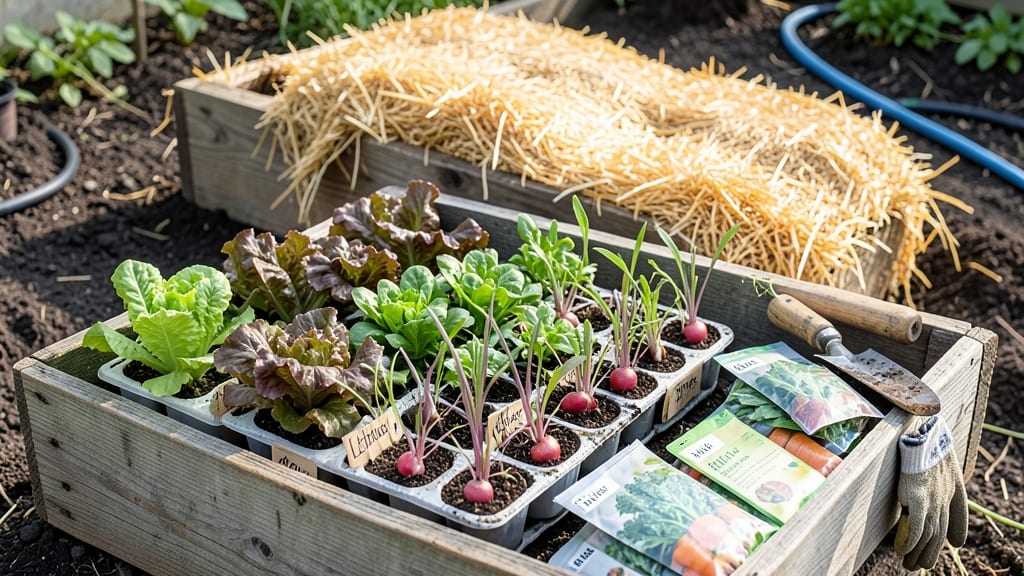
When to plant a garden in WV means the difference between a bountiful harvest and a sad, frost-nipped disappointment. With Zone 7A/7B frost dates that can swing wildly from year to year, knowing exactly when to plant your 🌱 General Garden Plants is the key to success.
Most gardeners here wait until after the average last frost date of April 15, but that’s just the starting point.
The real magic happens when you match your planting window to the specific needs of your crops—cool-season greens like spinach can handle early soil warming, while tomatoes need to wait until the ground is reliably above 50°F.
In this guide, I’ll break down the exact deadlines for spring and fall planting, plus how to adjust for West Virginia’s microclimates. Whether you’re growing heat-loving peppers or frost-tolerant kale, you’ll learn how to maximize your growing season without guessing.
Let’s get your garden on track for a zero-frost success—no more wasted seeds or missed harvests. Ready to plant with confidence?
West Virginia planting deadlines by season: frost dates & heat tolerance charts
West Virginia’s Zone 7A/7B climate offers a 165-day growing season, but timing is everything. The last frost typically arrives between April 15 and May 15, while the first frost hits October 15–November 1.
These dates separate your cool-season crops from warm-season powerhouses—and getting them wrong can mean wilted seedlings or missed harvests. Let’s break down the exact windows for every type of plant in your garden.
Your cool-season crops like kale, spinach, and peas thrive when temperatures hover between 40°F and 75°F. These hardy plants can even handle light frosts, making them ideal for early spring and fall planting.
On the flip side, warm-season crops such as tomatoes, peppers, and cucumbers demand soil temperatures above 60°F and won’t tolerate frost at all. Planting them too soon means stunted growth or death.
Here’s your visual planting timeline for West Virginia’s Zone 7A/7B, organized by crop type, frost sensitivity, and ideal planting windows. Use this as your cheat sheet to avoid common mistakes like overplanting heat-sensitive greens in summer or skipping frost-tolerant crops in fall.
Notice how cool-season crops get two planting windows—spring and fall—while warm-season crops have a narrower window to avoid summer heat stress. For example, tomatoes planted in July might bolt (flower prematurely) if temperatures exceed 90°F.
Instead, opt for heat-tolerant varieties like ‘Celebrity’ or ‘Solar Fire’ if you must plant late.
Pro tip: Use row covers or cold frames to extend your spring planting window by 2–3 weeks. These tools protect tender seedlings from late frosts while letting them soak up sunlight. I’ve used them successfully to get pepper plants in the ground by April 1
How to adjust planting times for West Virginia’s microclimates & soil conditions
West Virginia’s diverse geography means your Charleston garden might thrive weeks earlier than one in Lewisburg. The Appalachian valleys warm faster than plateau regions, while clay-heavy soils in the east drain poorly compared to loamy soils in the western panhandle.
These differences can shift your planting window by 2-3 weeks—critical for heat-loving crops like tomatoes or peppers.
Elevation plays a surprising role too. For every 1,000 feet gained, temperatures drop 3.5°F, delaying spring planting by 5-7 days. My 3,000-foot elevation garden in the Monongahela National Forest often waits until May 10 for warm-season crops, while valley gardens near Huntington can start April 20.
Soil type matters just as much—clay soils stay cold longer and require earlier soil prep to warm up.
Plant warm-season crops 7-10 days earlier than average last frost (around April 15)
Delay planting until May 1 for heat-lovers; use row covers for early starts
Add compost or sand 4-6 weeks before planting to improve drainage and warmth
Choose shorter-season varieties (e.g., 'Early Girl' tomatoes) and plant 2 weeks later than lowland areas
Test soil in early spring; amend blueberry beds with sulfur (target pH 4.5-5.0) and tomatoes with lime (pH 6.0-6.8)
To prepare high-risk areas, follow this 5-step checklist before planting:
- Test your soil in March—West Virginia’s clay soils often need organic matter to improve structure.
- Raise beds in cold microclimates by 6-12 inches to warm soil faster.
- Use black plastic mulch in late April to accelerate soil warming by 5-10°F.
- Plant frost-tender crops (like peppers) in containers for mobility if late frosts threaten.
- Monitor local frost data via WVU Extension alerts for real-time adjustments.
For cool-season crops like kale or spinach, valley gardens can start as early as March 1, while plateau areas should wait until March 15. The key is soil temperature, not air temperature—use a soil thermometer to confirm 40°F for cool crops and 60°F for warm-season plants.
My garden journal tracks these temps yearly to refine timing.
Don’t overlook fall planting adjustments either. High-elevation gardens can extend the season by 3-4 weeks compared to valleys, thanks to cooler nights. Broccoli and carrots planted in late August at 3,000 feet often mature before frost, while valley gardens might need September 1 starts.
Always calculate your frost-free window by subtracting first frost date from last frost date—West Virginia’s averages range from 150-180 days.
Pro tip: Group plants by heat tolerance in your layout. Place heat-sensitive crops (like lettuce) near trees or structures that create microclimates, while tomatoes and peppers thrive in full sun with afternoon shade cloth during heatwaves.
With these adjustments, you’ll turn West Virginia’s unpredictable climate into a garden advantage.