
Plants
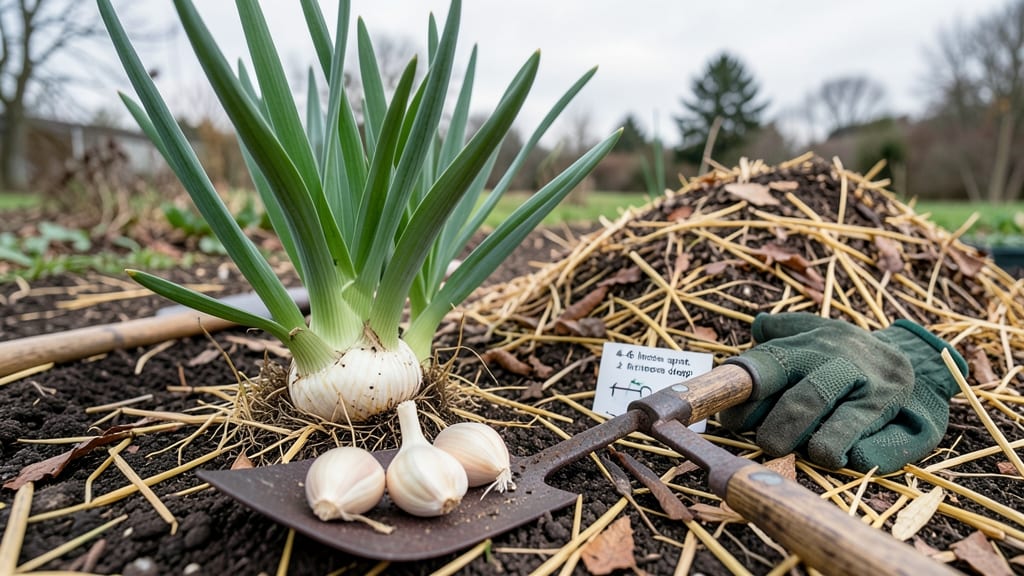
Planting garlic in New Hampshire isn't just about timing—it's about capturing that narrow window between the first frost and frozen ground to give your 🧄 hardneck varieties the best shot at thriving.
If you miss it, you risk weak bulbs or total failure, especially in our 5a-6b climate where winters are long and unpredictable.
Most gardeners in NH swear by late September to early October as the sweet spot, but there's more to it than just calendar dates. The key is soil temperature—ideal planting happens when the ground cools to 40-50°F, signaling the cloves to settle in for winter dormancy.
This timing ensures your garlic develops strong roots before the freeze sets in.
What I've learned from years of experimenting is that hardneck garlic actually needs that cold period to form bulbs properly. Too early, and the cloves rot; too late, and they never get going.
The good news? With the right prep—like well-drained soil and proper mulching—you can extend that window just a bit, giving you some flexibility.
In this guide, I'll break down exactly how to nail your planting schedule, from choosing the right varieties to adjusting for NH's microclimates. Let's get your garlic off to the best possible start—because when you do it right, you're rewarded with plump, flavorful bulbs by next summer.
Best planting months for garlic in New Hampshire’s cold climate
New Hampshire gardeners know that timing is everything when it comes to growing hardneck garlic—especially in our USDA zones 3-5. The key window for planting is late September through early October, allowing cloves to establish roots before the ground freezes.
This 6-week window gives garlic the best chance to thrive through our harsh winters and produce large, flavorful bulbs by summer.
Unlike warmer climates, NH’s cold winters actually help garlic develop flavor and size. The cold period, called vernalization, triggers bulb formation. Planting too early risks rot from excess moisture, while planting too late leaves cloves vulnerable to freezing before rooting.
Finding that sweet spot ensures your garlic harvest will be abundant and robust.
🌱
For hardneck garlic—the variety best suited for NH—aim to plant when soil temperatures hover between 45-60°F (7-15°C). Use a soil thermometer to check; planting when temps are too warm risks rot, while cooler temps slow root establishment.
I’ve found that early October works best in most of NH, giving cloves time to root before our first hard freeze, typically around mid-December.
Don’t overlook moon phases—they influence garlic growth. Planting during the waxing gibbous or full moon phases promotes stronger root development. Check a lunar planting calendar for your specific planting dates, as NH’s microclimates can vary dramatically from the coast to the White Mountains.
🌿
Adjust your planting timeline based on NH’s regional variations. Southern NH (like Portsmouth) can handle slightly later plantings, while northern areas (like Coos County) need to plant earlier. If you’re in a high-elevation zone, start planting by late September to account for earlier freezes.
I’ve seen gardeners in zone 4 push their planting to mid-October with success, but it’s riskier.
One common misconception is that garlic can be planted anytime in fall. The truth? Timing is critical—plant too early, and cloves may rot from excess moisture; plant too late, and they’ll freeze before establishing roots.
For reliable results, stick to the 6-week window before your area’s first hard freeze, which typically occurs between late November and mid-December in NH.
🌡️
Pro tip: If you miss the ideal window, you can try planting in early November if the ground hasn’t frozen solid. Use a heavy mulch (like straw) to insulate cloves and prevent freezing.
I’ve had limited success with this method, but it’s better than nothing if you’re late. Just be prepared for smaller bulbs, as the growing season will be shorter.
Finally, consider your garlic variety. Hardneck varieties like Music or German White are best for NH, as they thrive in cold climates and produce flavorful bulbs with scapes. Softneck varieties, like Silverskin, struggle in our winters and aren’t recommended for NH gardeners.
☀️
How to prepare garlic cloves for NH’s harsh winter planting
New Hampshire’s freezing winters demand extra preparation when planting hardneck garlic. The key to success lies in selecting the right clove varieties and prepping them properly to survive wet, cold soil until spring.
Unlike softer-necked garlic, hardnecks thrive in NH’s USDA zones 3-5 and produce flavorful bulbs if given proper care before planting.
Start by choosing hardneck varieties like German White, Music, or Chesnok Red, which handle cold better than their softneck counterparts. Avoid store-bought garlic—its paper-thin skins won’t protect cloves from rot in NH’s moist winters.
Instead, source certified organic seeds from reputable nurseries for the best overwintering success.
Choose plump, firm cloves from hardneck bulbs. Cure them in a dry, dark place for 2-3 weeks to toughen skins and prevent rot.
Test soil pH (6.0-7.0) and amend with compost and sand for drainage. NH’s clay-heavy soils need organic matter to prevent waterlogging.
Plant cloves 2 inches deep, pointy end up, in well-drained beds. Space rows 6-8 inches apart to allow airflow and reduce fungal risks.
Apply 4-6 inches of straw mulch after planting to insulate cloves from freeze-thaw cycles. Remove mulch in early spring to prevent rot.
NH’s unpredictable winters can turn garlic beds into soggy messes if drainage isn’t prioritized. Elevate beds or plant on slopes to prevent water pooling, which leads to rot. A 5-10-10 fertilizer mixed into the soil at planting provides essential nutrients without overfeeding—garlic is a low-maintenance crop once established.
After planting, mark your beds with stakes or flags to avoid disturbing the soil in spring. Hardneck garlic needs 6-8 weeks of cold to form bulbs, so resist the urge to dig up cloves early. Patience pays off with large, flavorful bulbs ready for late June harvests.
For extra protection, consider row covers during thaw periods to shield cloves from excessive moisture. With these steps, your NH garlic patch will emerge strong and ready to thrive when spring arrives.