
Companion Plants
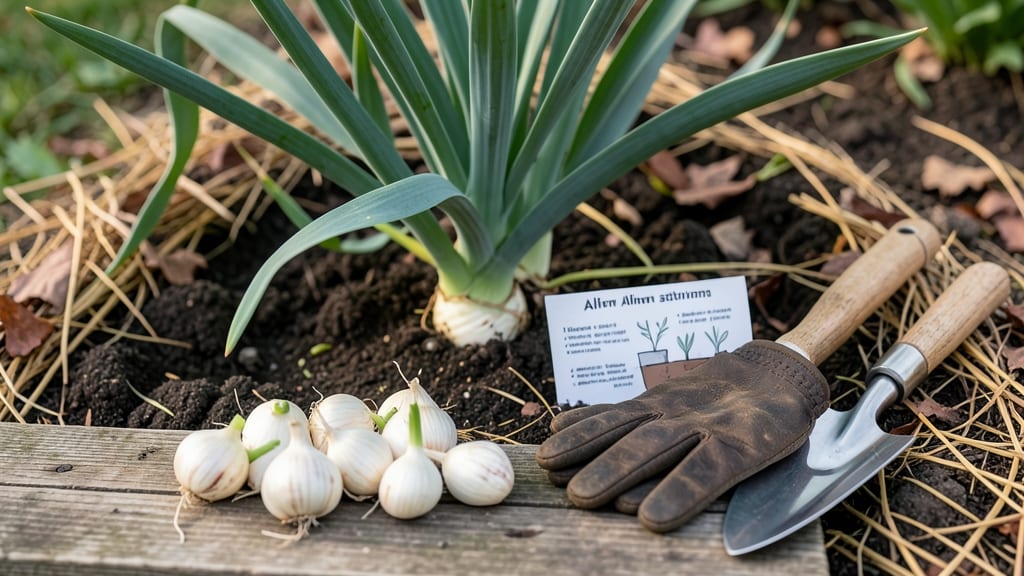
Planting garlic in Western Pennsylvania isn’t just about timing—it’s about unlocking bold, flavorful bulbs that thrive despite our chilly winters. The key? Getting those cloves in the ground between October and November, when the soil cools but hasn’t frozen solid.
This fall window is your golden ticket to hardneck varieties that love our Zone 6a climate, but miss it by even a few weeks, and you risk weak growth or no harvest at all.
I’ve learned the hard way that Western PA’s unpredictable weather—early frosts, warm spells, or heavy snow—can throw off even the best-laid plans. That’s why soil temperature and frost dates matter more than calendar months.
Too early, and your garlic might sprout before winter sets in; too late, and it won’t establish roots before the ground locks up. The sweet spot? Aim for 4–6 weeks before the first hard frost, usually around mid-October, but adjust based on your microclimate.
Here’s the good news: with the right prep—loose, well-draining soil, a thick mulch layer, and the toughest hardneck varieties—you can outsmart Western PA’s quirks. I’ll walk you through exactly how to time it, what to plant, and how to protect your crop from our unpredictable falls.
No more guessing—just big, juicy garlic ready by next summer.
Ready to turn your garden into a garlic powerhouse? Let’s dive into the step-by-step secrets that’ll make this your most successful planting season yet. Your taste buds—and your neighbors—will thank you.
Optimal fall planting dates for hardneck garlic in Western PA
Western PA’s USDA Zone 5-6 climate demands precise timing for hardneck garlic—plant too early, and cloves rot; too late, and they won’t establish roots before winter. The ideal window spans September 15 to October 15, when soil temps hover between 40°F and 50°F.
This timing ensures garlic develops strong root systems before ground freezes, typically around mid-November in most areas.
Microclimates play a huge role in Western PA. Urban areas like Pittsburgh often experience earlier frosts due to heat islands, while rural zones in the Alleghenies may stay frost-free longer. Elevation adjustments are critical: plant 2 weeks earlier in mountainous regions (e.g., Laurel Highlands) and 1 week later in valleys like Johnstown.
| Planting Zone | Ideal Planting Window | Soil Temp Goal | Frost Risk | Pro Tip |
|---|---|---|---|---|
| Pittsburgh (Urban) | Sept 20–Oct 5 | 45°F–50°F | High (Nov 10) | Use black plastic mulch to extend season |
| Erie (Lake Effect) | Oct 1–Oct 15 | 40°F–45°F | Moderate (Nov 20) | Lake breezes delay frost—plant later |
| Allegheny Mountains | Sept 15–Sept 30 | 40°F–48°F | Very High (Oct 25) | Plant hardier varieties like 'Chesnok Red' |
| Johnstown Valley | Oct 1–Oct 10 | 42°F–48°F | Moderate (Nov 15) | Test soil—add compost if rocky |
| State College | Sept 25–Oct 10 | 43°F–50°F | High (Nov 5) | Mulch with straw after planting |
For early frosts (before November 1), prioritize early September plantings in protected microclimates, like south-facing slopes or near buildings. Soil thermometers are worth the investment—aim for 40°F+ at 6-inch depth. If temps drop below 35°F, cover beds with frost blankets until roots establish (usually 3–4 weeks).
Adjust for unpredictable warm spells by monitoring 7-day forecasts. If unseasonable warmth (above 60°F) lingers, garlic may sprout prematurely. In this case, plant shallower (2 inches deep) and mulch heavily with straw or leaves to prevent overheating. This mimics natural winter dormancy conditions.
Urban gardeners face unique challenges, including compacted soil and limited sunlight. Amend beds with compost and sand to improve drainage, and choose partial-shade-tolerant varieties like 'German White' if full sun isn’t available. Container growing is also viable—use 5-gallon pots with drainage holes and plant 2 inches deeper
How to adjust planting for Western PA’s unpredictable weather
Western PA’s weather can swing from unseasonably warm October days to early November frosts—leaving gardeners scrambling to adjust planting plans. Hardneck garlic thrives when planted 4-6 weeks before ground freeze, but late falls or warm spells complicate timing.
The key is flexibility: knowing when to push planting earlier or delay without sacrificing bulb quality.
For most of Western PA (USDA Zone 5b-6a), the ideal window is mid-September to mid-October. However, if your fall stretches late into November, don’t panic—garlic can handle light frosts once established. The trick is preparing your soil and using mulch to insulate bulbs through winter’s ups and downs.
⚠️ Late Planting Warning
If you’re planting after mid-October, prioritize soil warmth and mulch depth. Garlic planted in November may produce smaller bulbs but can still thrive with 6+ inches of straw mulch. Avoid planting after the first hard frost—bulbs won’t survive.
Start by testing your soil temperature—garlic needs 40-50°F soil to root properly. Use a soil thermometer or dig a hole: if the soil feels cool to the touch, wait a few days.
Amend cold soil with compost or aged manure to raise its temperature and improve drainage. Well-draining soil prevents rot, especially in wet Western PA winters.
Mulching is your best defense against temperature swings. Apply 4-6 inches of straw or leaves after planting to insulate bulbs. In urban areas (like Pittsburgh), where microclimates vary, add extra mulch near sidewalks or buildings that radiate heat.
For rural zones, focus on protecting from wind chill rather than heat retention.
If you miss the fall window, consider spring planting—though yields will be smaller. Plant softneck varieties (like Silverskin) in early spring for a late-summer harvest.
These tolerate warmer soil better than hardnecks but lack the robust flavor. For hardnecks, stick to fall planting—they need cold vernalization to form bulbs properly.
Monitor your garden’s frost dates using local resources like the Penn State Extension or National Weather Service. Adjust your planting timeline by 1-2 weeks earlier if your area tends toward early frosts.
With the right prep, even Western PA’s unpredictable weather won’t stop you from growing bold, flavorful garlic. 🌱