
Plants
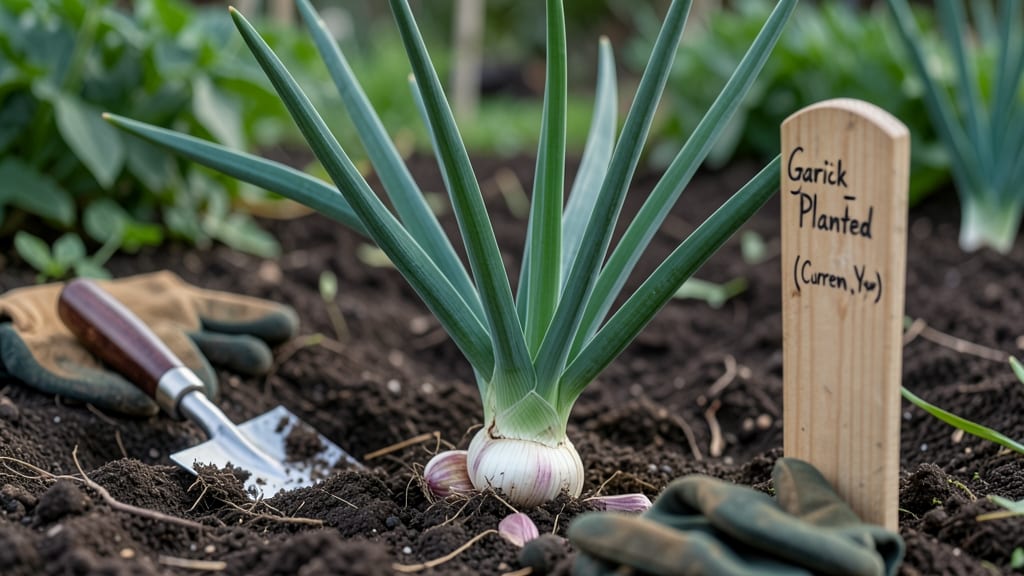
Planting garlic 🧄 in Upstate New York isn't just about timing—it's about outsmarting the climate to grow bulbs so bold they'll make your kitchen the talk of the neighborhood.
With winters that test even the hardiest plants, getting those cloves in the ground at the right moment means the difference between a thriving harvest and a sad, frozen disappointment.
The secret lies in that narrow window between late September and early October, when the soil is still warm enough to encourage root growth but cold enough to trigger dormancy. This 4-6 week lead-up to frost is your golden opportunity—miss it, and you risk stunted bulbs or worse.
But here's the good news: with the right variety and a few smart tricks, you can turn Upstate NY's unpredictable weather into your garlic-growing superpower.
I've spent years perfecting my own garlic patch in zone 5b-6a, and what I've learned will help you avoid common mistakes that waste time and effort.
From choosing cold-hardy varieties that actually thrive here to understanding how snow cover protects your crop, this guide gives you the exact knowledge you need to plant with confidence.
Ready to grow garlic that's bigger, stronger, and more flavorful than anything from the store? Let's dive into the precise planting schedule, variety recommendations, and pro tips that will make your next harvest the best yet—no matter what Upstate NY throws your way.
Best planting windows for Upstate NY garlic (hardneck vs softneck varieties)
Upstate NY’s USDA Zones 4-6 demand precision when planting garlic—getting the timing wrong means stunted bulbs or total failure. The key difference lies in hardneck vs softneck varieties, each with distinct cold-hardiness needs.
Hardnecks thrive in our harsh winters (Zones 4-5), while softnecks tolerate milder winters better (Zone 6). Planting too early or late disrupts bulb formation, so let’s break down the optimal windows for each type.
For hardneck garlic, the ideal planting window stretches from late September to mid-October. This aligns with soil temperatures dropping to 40-50°F, triggering root growth before winter dormancy. Softnecks, meanwhile, can handle slightly later plantings—mid-October to early November—thanks to their milder winter tolerance.
Both varieties need 4-6 weeks before the ground freezes solid to establish roots.
Here’s the critical rule: Plant when soil temps hover around 40°F. Use a soil thermometer to confirm—this ensures roots grow before winter sets in. In Upstate NY, mid-October is the sweet spot for most gardeners, but adjust based on your microclimate (e.g., sheltered valleys vs exposed ridges).
⚠️ Pro Tip: Avoid planting after November 1st unless you’re in Zone 6poor bulb development or even frost damage before roots establish.
Hardneck varieties like Music and German White are the gold standard for Upstate NY gardeners. These cold-hardy stalwarts produce bold cloves and scape shoots (those curly green stems) that are edible and prized for braiding.
Their hardiness lets them survive -20°F winters, making them ideal for Zone 4-5 regions like the Adirondacks or Catskills.
Softnecks, such as Silverskin or Artichoke, are better suited for Zone 6 areas like Albany or Syracuse. They store longer and lack scapes, but their milder winter needs let you plant later. If you’re in Zone 5b, opt for hardnecks—they’ll outperform softnecks in harsh winters.
Timing isn’t just about the calendar—it’s about soil conditions. Test your soil’s moisture and temperature before planting. If the ground feels too warm (>55°F), wait a week or two. Cold, damp soil (<40°F) signals it’s time to plant. In dry years, water your beds 24 hours before planting to help roots establish faster.
One common mistake? Planting spring garlic (yes, it exists!). While possible in Upstate NY, spring-planted garlic yields smaller bulbs and is best for green garlic harvests. For full-sized bulbs, stick to fall planting. The long, cold winter is what builds those bold, flavorful cloves we all crave.
Protect your garlic from late winter thaws and early spring freezes with a 3-4 inch mulch layer of straw or leaves. This insulates the soil and prevents temperature fluctuations that can stress young plants.
In Zone 4, add an extra layer of mulch in December to shield from extreme cold.
Finally, mark your planting date and variety with biodegradable flags. Next summer, you’ll thank yourself when you harvest plump, paper-skinned bulbs ready for braiding or curing.
In Upstate NY, late June to early July is prime harvest time—just when the lower leaves turn brown and the bulbs feel firm.
How to time garlic planting for zero-frost success in Upstate NY’s unpredictable climate
Upstate NY’s unpredictable climate throws a curveball at garlic growers—one day it’s 60°F, the next it’s a 20°F surprise. But with the right timing, you can outsmart Mother Nature and grow bold, flavorful bulbs year after year.
The key? Planting 4-6 weeks before the ground freezes, but adjusting for soil temperatures, historical freeze data, and your local microclimate. Let’s break down how to nail this timing like a pro.
First, focus on fall planting, which is the gold standard for Upstate NY. This gives garlic cloves time to establish roots before winter, then dormancy kicks in naturally. Unlike spring planting, fall garlic benefits from cold stratification, which actually improves bulb size and flavor.
But here’s the catch: plant too early, and your cloves might rot in warm soil; plant too late, and they won’t root before freeze. The ideal window is late September to early October, but your exact date depends on soil temps and frost forecasts.
⚠️ callout warning ⚠️
If you plant garlic in soil warmer than 50°F, cloves will sprout prematurely and rot before winter. Use a soil thermometer to check temps—aim for 40-50°F at planting time. In Upstate NY, this usually aligns with late September, but early frosts can push it to mid-October.
Pro Tip: Test your soil 1-2 weeks before your target planting date. If temps are still high, wait or use shade cloth to cool the soil.
To fine-tune your planting date, check historical freeze data for your specific area. Upstate NY’s USDA Zones 5b-6a typically see the first hard freeze (28°F) between mid-October and early November, but this varies wildly.
For example, Albany might freeze by October 20, while Syracuse could wait until November 5. Use resources like the National Weather Service or local Cooperative Extension offices to track trends. If you’re in a low-lying area, expect earlier frosts—plant accordingly.
Once you’ve nailed your planting window, mulch is your best friend. Apply a 4-6 inch layer of straw or leaves after planting to insulate bulbs from temperature swings and soil heaving. This extra layer can push your frost tolerance down to -10°F or lower.
For even more protection, use row covers or frost blankets during extreme cold snaps. Just remember to remove covers in early spring to prevent overheating as temps rise.
Snow cover is another game-changer for Upstate NY garlic. A thick blanket of snow acts like a natural insulator, keeping soil temps stable and protecting cloves from freeze-thaw cycles.
If you’re in an area with light snowfall, consider adding extra mulch or even a mini greenhouse over your garlic patch. And don’t forget: well-drained soil is non-negotiable. Poor drainage leads to rot and mold, especially when combined with warm, wet springs.
Finally, keep an eye on spring thaw. As soil warms in March or April, garlic will sprout rapidly. This is when you’ll need to fertilize lightly (use a 5-10-10 blend) and ensure consistent moisture.
Avoid overwatering—garlic hates soggy soil—but don’t let it dry out either. With the right timing and a little extra care, you’ll be harvesting plump, flavorful bulbs by late June or July, ready to celebrate your zero-frost success!